Coney Island’s Future: A Call for Community-First Reinvestment from Boardwalk Revenues
Coney Island, a legendary symbol of American leisure and an iconic Brooklyn landmark, stands at a pivotal moment. Following a period of unprecedented challenge for its vibrant boardwalk businesses, a significant proposal is now on the table from local advocates: to channel all revenue generated from recently approved lease extensions and rent relief deals back into the heart of the community. This initiative seeks to ensure that the economic benefits from these commercial agreements directly support the programs and projects essential for the neighborhood’s long-term prosperity and resilience.
For generations, the Coney Island boardwalk has been more than just a wooden path; it’s a cultural artery, a tourist magnet, and a vital economic engine for South Brooklyn. Its amusement parks, eateries, and unique shops define the summer experience for millions. However, like countless other destinations reliant on tourism and public gatherings, Coney Island faced immense hardship during the COVID-19 pandemic. The summer of 2020, typically the peak season for these businesses, saw a drastic reduction in visitors and revenue, pushing many to the brink.
The Lease Extension and Rent Relief Deal: A Lifeline for Businesses
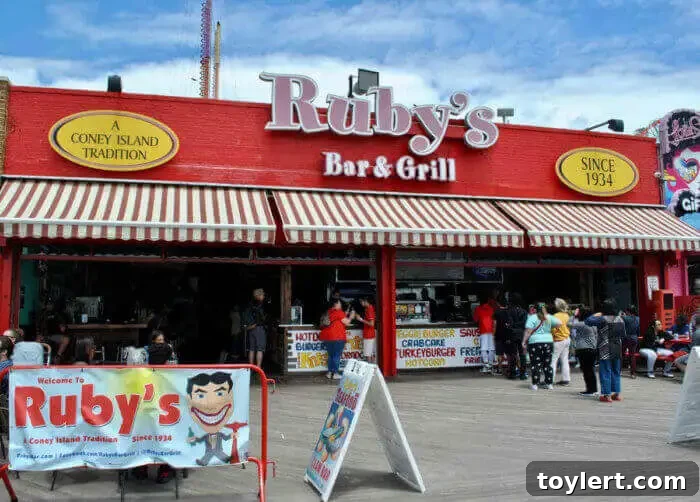
In response to the severe financial strain experienced by boardwalk tenants, a crucial agreement was brokered last year. The local Community Board 13, recognizing the dire circumstances, along with the New York City Council, gave their approval to a comprehensive package designed to offer much-needed stability. This package included a ten-year lease extension and significant rental assistance for four prominent boardwalk businesses, alongside Coney Island’s two cherished amusement parks. This measure was widely seen as an essential lifeline, preventing potential closures and preserving the unique character of the boardwalk for future seasons.
The agreement reflects a broader understanding of the critical role these businesses play, not just as commercial entities, but as cornerstones of the community’s identity and economic fabric. Without this intervention, the recovery of Coney Island could have been far more protracted and uncertain. The beneficiaries of this deal are integral to the boardwalk experience, from classic eateries to thrilling rides, collectively contributing to the area’s charm and drawing power.
Awaiting Final Approval: The Borough Board’s Crucial Role
While the Community Board and City Council have cast their votes in favor, the agreement’s final implementation now hinges on the approval of the Borough Board. This stage represents a critical juncture, as it offers a final opportunity for stakeholders to review and potentially refine the terms of the deal before it becomes binding. It is precisely at this point that a powerful voice from the community has emerged, advocating for a condition that could fundamentally reshape the deal’s impact on Coney Island.
The Call for Conditional Approval: “Community Will Get Something More”
Leading this charge are prominent local figures such as Craig Hammerman, a respected southern Brooklyn advocate, and Michael Quinn, the owner of the legendary Feltman’s of Coney Island. These individuals are not seeking to block the essential lease extensions or rent relief; rather, they are petitioning community and borough board members to make their approval conditional. Their core argument centers on the principle of reciprocity: if city resources and agreements are extended to support businesses, then the community, which provides the very environment for these businesses to thrive, should also receive a direct and tangible benefit.
At a Community Board 13 meeting on September 28, Craig Hammerman articulated this sentiment with a powerful analogy, stating, “Would any of you let your child go out without conditions? Of course not. It is not okay to keep telling the city ‘Yeah sure, do what you want.’” He urged the board members to consider adding a condition to their recommendation, ensuring that “the community will get something more out of this deal.” This impassioned plea underscores a growing desire for urban development and commercial agreements to be more intrinsically linked to the well-being and development of the local populations they affect.
The Proposal: Redirecting Rent Money for Coney Island’s Needs
The specific condition proposed by Hammerman, Quinn, and their supporters is clear and impactful: “Redirecting all of the rent money collected by the city for all of these properties back into the community in the form of programs and projects that will support the needs of the Coney Island community would be a great start.” This proposition envisions a direct pipeline of funds from the leaseholders, through the New York City Economic Development Corporation (NYCEDC) – the entity managing these city-owned properties – straight back into initiatives that address pressing local needs. The NYCEDC, responsible for fostering inclusive growth and economic development, is thus seen as a facilitator for this community-centric reinvestment.
Imagine the transformative potential of such a fund. These revenues could finance a diverse range of projects, directly tackling some of Coney Island’s most significant challenges and opportunities:
- Infrastructure Enhancements: Upgrading and maintaining the iconic boardwalk itself, improving public spaces, enhancing street lighting, and ensuring the cleanliness and safety of the area for residents and visitors alike.
- Youth and Educational Programs: Funding after-school programs, mentorship initiatives, vocational training, and scholarships to empower the next generation of Coney Islanders.
- Local Business Development: Providing grants or low-interest loans to smaller, independent businesses in the neighborhood, fostering entrepreneurship and creating jobs beyond the immediate boardwalk area.
- Affordable Housing Initiatives: Supporting projects that increase the availability of quality, affordable housing for residents, addressing a persistent challenge in many rapidly developing urban areas.
- Environmental Sustainability Efforts: Investing in coastal resiliency projects, green infrastructure, and community gardens to protect Coney Island from the impacts of climate change and enhance its natural beauty.
- Cultural Preservation: Funding efforts to document and celebrate Coney Island’s rich history, supporting local artists, and ensuring its unique cultural heritage is passed down through generations.
- Healthcare and Social Services: Improving access to essential services for residents, from community health clinics to senior support programs.
The Broader Implications: A Model for Community-Centric Development
This proposal extends beyond Coney Island; it sets a precedent for how urban economic development can be structured to deliver equitable outcomes. In many cities, public assets are leased to private entities, and the revenues flow into general city coffers. While contributing to the overall municipal budget is important, direct reinvestment mechanisms can foster stronger local economies and more resilient communities.
For Coney Island, a neighborhood with a unique social fabric and diverse needs, such a fund would symbolize a genuine commitment from the city to its residents. It would acknowledge that the success of the boardwalk businesses is intrinsically linked to the health and vitality of the surrounding community. This approach fosters a sense of ownership and collective benefit, ensuring that growth is not just concentrated among a few, but distributed to uplift the entire neighborhood.
Stakeholders and Their Responsibility
The decision now rests with the Borough Board members. Their vote will not only determine the fate of the boardwalk lease extensions but also send a powerful message about the priority placed on community engagement and local reinvestment. They have the opportunity to endorse a vision where commercial success on the boardwalk directly fuels social progress and economic empowerment for the residents of Coney Island. The New York City Development Corporation, as the managing body, would then play a crucial role in implementing this revenue redirection efficiently and transparently.
Looking Ahead: A Vision for a Thriving Coney Island
The advocates envision a Coney Island where the vibrant energy of its amusement parks and boardwalk attractions harmonizes with a thriving, well-supported residential community. By making the lease extension and rent relief conditional on direct community reinvestment, they aim to secure a future where the iconic destination continues to grow, but this growth is shared, sustainable, and truly benefits those who call Coney Island home.
This moment is a testament to the power of local advocacy and the unwavering spirit of a community determined to shape its own destiny. The outcome of the Borough Board’s decision will be closely watched, not just in Coney Island, but by urban planners and community organizers across the city and beyond, as it could serve as a blueprint for future equitable development initiatives.