Brooklyn’s Dynamic Landscape: Key Developments and Local Stories Unveiled
Brooklyn, a borough renowned for its vibrant culture, rich history, and continuous evolution, remains a focal point for urban development and compelling community narratives in New York City. From ambitious infrastructure projects aimed at improving connectivity to the adaptive reuse of industrial spaces for burgeoning industries, and from the ebb and flow of its booming hospitality sector to the celebration of its unique cultural identity, Brooklyn is a tapestry of ongoing change. This comprehensive overview delves into some of the most compelling stories shaping the borough, reflecting its challenges, opportunities, and the indomitable spirit of its diverse residents.
Reviving Connectivity: The Utica Avenue Subway Line Plan
One of the most significant urban planning discussions resurfacing in recent years concerns the potential expansion of Brooklyn’s subway system, specifically the long-dormant plan for a Utica Avenue Subway Line. This ambitious project, initially conceived decades ago, aims to extend subway service deeper into Southeast Brooklyn, a vast region currently underserved by rapid transit. Mayor de Blasio’s revival of this plan underscores the critical need for enhanced transportation options to alleviate congestion, reduce commute times, and improve access for hundreds of thousands of residents in these vital communities.
The proposed Utica Avenue line would primarily benefit neighborhoods like Crown Heights, East Flatbush, and Canarsie, potentially transforming daily commutes for residents who currently rely on crowded buses or face lengthy, multi-transfer journeys. Beyond mere convenience, such an extension represents a powerful catalyst for substantial economic development. Improved transit infrastructure typically leads to increased property values, stimulates local economies, and makes the areas more attractive for both living and investment. Businesses would gain better access to a wider workforce, and new opportunities for retail, services, and commercial growth would emerge along the corridor, fostering a more equitable distribution of urban prosperity.
However, the path to realizing the Utica Avenue subway is fraught with significant challenges. The sheer scale of such an undertaking demands massive financial investment, intricate engineering, and potentially years of disruptive construction. Environmental impact assessments, extensive community engagement to address local concerns, and navigating the complexities of urban geology would be just a few of the hurdles. Despite these formidable obstacles, the renewed interest from city leadership highlights a long-term vision for a more equitable, accessible, and connected Brooklyn, acknowledging that robust public transit is fundamental to the borough’s sustained growth, resilience, and livability.
Red Hook’s Transformation: From Industrial Factory to Hip Office Space
Brooklyn’s industrial past is steadily making way for its innovative future, nowhere more evident than in the dynamic transformation of Red Hook. Once a bustling port and manufacturing hub, this historic waterfront neighborhood is undergoing a significant metamorphosis, converting its robust factory buildings into modern, hip office spaces. Recent renderings offer a compelling glimpse into a future where creative industries, burgeoning tech startups, and design firms will call Red Hook home, attracted by its unique character, strategic proximity to Manhattan, and a rapidly burgeoning reputation as an innovation district.
The adaptive reuse of these industrial structures into sleek, open-plan offices carefully respects the architectural legacy of the area while injecting vital new economic vitality. Elements like exposed brick, soaring high ceilings, and expansive industrial windows are often meticulously preserved, seamlessly blending historical charm with contemporary functionality. This trend aligns perfectly with Brooklyn’s broader appeal to companies seeking dynamic alternatives to Manhattan’s sky-high rents and conventional office environments, favoring spaces that actively foster collaboration, creativity, and a distinct company culture. This shift is not just about real estate; it’s about reshaping the borough’s economic identity.
For Red Hook, this significant development brings both immense opportunities and complex discussions. On one hand, it promises substantial job creation, increased commercial activity, and the revitalization of historically underutilized properties. On the other, it raises critical questions about gentrification, the potential displacement of existing small businesses and long-term residents, and the preservation of the neighborhood’s authentic, working-class identity. Balancing economic growth with robust community preservation remains a critical task for urban planners and developers alike as Red Hook continues its compelling journey from industrial grit to a modern creative and commercial hub. Its success will serve as a model for other post-industrial areas.
The Booming Hotel Scene in Brooklyn and Queens: A Mixed Blessing
The burgeoning tourism and business travel sectors in New York City have led to a noticeable proliferation of hotels in Brooklyn and Queens. What was once predominantly a Manhattan affair has now spread vigorously across the East River, as visitors increasingly seek more authentic, local experiences and businesses look for more affordable, yet stylish, accommodations outside the traditional city center. This rapid expansion of the hospitality sector has brought with it a complex mix of results, reflecting the intricate dynamics of rapid urban development and evolving visitor preferences.
The positive impacts of this growth are clear and substantial: new job opportunities in construction, hospitality, and related service industries; increased tax revenue for the city; and a greater influx of tourists who contribute significantly to local economies by patronizing Brooklyn and Queens restaurants, shops, and diverse cultural attractions. Neighborhoods such as Downtown Brooklyn, Long Island City, and Williamsburg have witnessed a particularly dense concentration of new hotel developments, ranging from chic boutique hotels catering to a discerning clientele to larger chain hotels offering more conventional, yet comfortable, amenities. This diversification caters to a broader spectrum of travelers.
However, this rapid growth has not been without its drawbacks and points of contention. Community groups and urban advocates have voiced concerns about potential over-tourism, increased strain on existing local infrastructure (transportation, waste management), and the potential for hotels to exacerbate existing housing shortages by replacing residential developments or driving up local property values. The “mixed results” also refer to the increasingly competitive landscape within the hospitality sector itself, where some hotels thrive while others struggle with occupancy rates, especially in less established or saturated areas. The critical challenge for urban planners and developers lies in finding a sustainable balance, ensuring that the growth of the hospitality sector genuinely enhances, rather than detracts from, the quality of life and unique character for long-term residents of these vibrant neighborhoods.
On Earth Day, Tasting the Gowanus: A Symbol of Progress and Transformation
The Gowanus Canal, famously dubbed “America’s most polluted waterway,” is slowly but surely shedding its notorious reputation through extensive and monumental Superfund cleanup efforts. On Earth Day, community engagement often takes unique and symbolic forms, and one such memorable event involved a metaphorical “tasting the Gowanus”. While the idea of actually consuming anything directly from the canal remains unimaginable due to its highly toxic history, this event undoubtedly focused on celebrating the remarkable progress of its environmental remediation and highlighting local food, sustainable initiatives, and community spirit in the surrounding Gowanus neighborhood.
The Gowanus Canal’s cleanup is a truly monumental undertaking, involving multi-stage processes such as dredging deeply contaminated sediment, meticulously capping pollutants, and implementing advanced strategies to control stormwater overflows. This multi-decade, multi-billion-dollar project is systematically transforming the canal from an environmental hazard and industrial scar into a potential ecological and recreational asset for the community. Dedicated community groups, passionate environmental activists, and various city agencies are working collaboratively and tirelessly to envision a future where the canal can once again support aquatic life and serve as a vibrant centerpiece for public spaces, engaging waterfront parks, and diverse cultural activities, truly integrating it into the urban fabric.
Events like an Earth Day “tasting” serve multiple crucial purposes: they rally public support for ongoing environmental efforts, educate residents about the complexity and importance of the work, and celebrate the small yet significant victories in a long and arduous battle for environmental justice. They powerfully underscore the community’s unwavering commitment to reclaiming this vital urban waterway, transforming its historical legacy from one of egregious industrial neglect and pollution to one of ecological revival, community pride, and a model for urban environmental restoration. The very irony of “tasting” the Gowanus serves as a potent and memorable reminder of how far the neighborhood has come, and how much exciting potential lies ahead for this revitalized industrial artery as it transforms into a sustainable urban amenity.
Bed-Stuy’s Soul: An Indie Film Celebrating a Local Record Store
Bedford-Stuyvesant, affectionately known as Bed-Stuy, is a neighborhood deeply steeped in cultural heritage, particularly its profound roots in music, art, and vibrant community life. Capturing the authentic essence of this dynamic area, an indie film highlighting a local Bed-Stuy record store made its anticipated debut at the prestigious NYC Film Festival. This cinematic ode not only pays heartfelt homage to a specific, cherished community institution but also reflects a broader, growing appreciation for analog culture and tangible artistic experiences in an increasingly digital and ephemeral world.
Independent record stores, much like the one lovingly featured in the film, are far more than just retail outlets for music; they are invaluable cultural touchstones, vibrant community gathering places, and living archives of musical history. They actively foster genuine human connection, allowing patrons to discover new artists, engage in passionate discussions about music, and experience the tactile and emotional joy of physical media—the album art, the liner notes, the warmth of vinyl. In a neighborhood as historically significant and culturally rich as Bed-Stuy, these stores often serve as vital guardians of local narratives, platforms for emerging talent, and essential hubs for intergenerational exchange, connecting past sounds with present listeners.
The film’s debut at an esteemed event like the NYC Film Festival brings Bed-Stuy’s unique charm, cultural resilience, and profound artistic contributions to a much wider, global audience. It celebrates the enduring appeal of authentic local businesses and underscores the crucial role they play in preserving a neighborhood’s distinct identity amidst the relentless pace of urban change and development. Such artistic endeavors are absolutely crucial in documenting, celebrating, and perpetuating the very soul of Brooklyn, reminding us that while skylines may continuously evolve and demographics shift, the vibrant cultural heartbeat of its diverse communities remains robust, resilient, and eternally inspiring.
A Glimpse of Local Life: Lowen’s Pharmacy in Bay Ridge and Other Local Tidbits
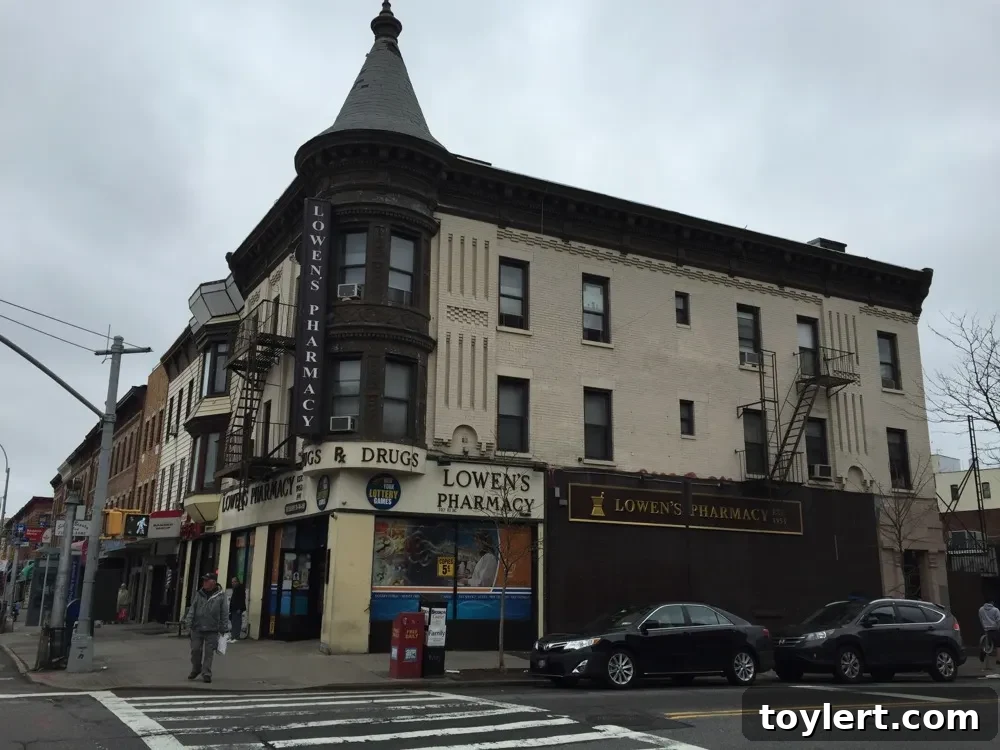
Beyond the sweeping narratives of urban planning and significant economic transformations, Brooklyn’s multifaceted character is also profoundly defined by its cherished local establishments and unexpected daily occurrences. Lowen’s Pharmacy on 3rd Avenue in Bay Ridge stands as a timeless example of the essential neighborhood businesses that form the irreplaceable backbone of community life. These establishments often carry decades of history, faithfully serving generations of families and providing critical services that contribute immeasurably to the unique fabric of their respective areas. Bay Ridge, known for its strong community bonds, diverse population, and unwavering local pride, continues to support such vital local institutions, reinforcing the idea that even amidst large-scale urban changes, the spirit of local commerce and neighborly connection thrives.
Adding a touch of the wonderfully unpredictable nature of city life, news of a dog biting a police horse in East New York serves as a quirky reminder that Brooklyn is a borough where the extraordinary can happen at any moment. Such incidents, while minor in the grand scheme of urban development, add to the rich, anecdotal tapestry of daily life, offering a glimpse into the myriad interactions that define the city’s unique, often surprising, personality. These smaller stories collectively illustrate that Brooklyn is not just a collection of grand projects and economic trends, but a living, breathing entity composed of countless individual experiences and local interactions.
Conclusion: Brooklyn’s Unfolding Narrative of Progress and Preservation
These diverse news items collectively paint a vivid picture of Brooklyn as a borough in constant, dynamic motion—a place where ambitious visions for vital infrastructure meet the complex realities of economic shifts, where a rich industrial heritage is innovatively reimagined for a modern era, and where unique local culture is fervently celebrated and carefully preserved. From the grand scale of transformative subway expansions and major real estate developments to the intimate stories of cherished neighborhood businesses and vibrant cultural hubs, Brooklyn’s narrative is undeniably one of dynamic growth, ongoing adaptation, and an unwavering, resilient community spirit. As the borough continues its remarkable evolution, these compelling stories will undoubtedly contribute to its ever-richer legacy as a truly global, quintessentially New York, and profoundly dynamic destination, continuing to inspire residents and visitors alike for generations to come.