The Enduring Charm of Taxpayer Buildings: A Legacy of Urban Ingenuity
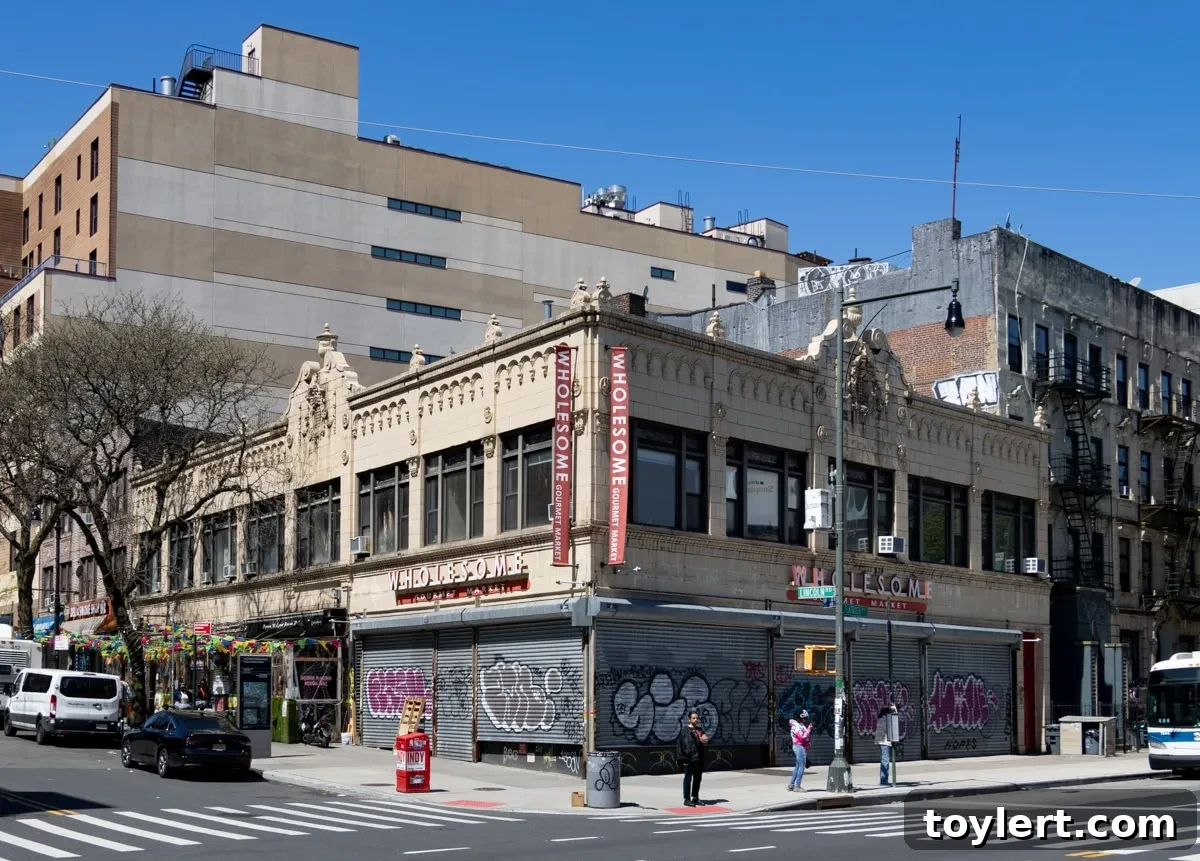
Strolling through the bustling commercial districts of any vibrant city, one is immediately struck by the sheer diversity of architectural styles and structural scales. From the modest, single-story storefronts that might have once housed a newsstand or a small boutique, to the grand, multi-story edifices of historic department stores, these buildings weave a rich tapestry of urban development. Amidst this eclectic mix, often nestled discreetly mid-block or boldly anchoring a prominent corner, lies a particularly fascinating and historically significant type of structure: the taxpayer building. These unassuming yet crucial buildings represent a unique chapter in urban planning and real estate strategy, embodying a blend of pragmatism, ambition, and often, surprising architectural grace. They are silent testaments to an era of rapid urban expansion and shrewd investment.
For centuries, shrewd investors and ambitious developers recognized the immense potential and inherent value of strategically located real estate within burgeoning city commercial corridors. Their foresight was driven by a keen understanding of burgeoning urban trends, meticulously tracking patterns of population growth, transportation routes, and evolving consumer habits. The most astute among them were constantly evaluating which plots of land held the greatest promise for appreciation and, crucially, offered the highest return on investment. They would acquire prime properties, often at significant cost, but frequently found themselves in a unique dilemma. The market might not yet be ready for a massive, multi-story commercial building – a speculative venture that would demand substantial capital and present the formidable challenge of securing numerous tenants for its many floors.
The Ingenious Origin: Why Taxpayer Buildings Came to Be
The Economic Imperative: From Liability to Asset
The core challenge for these developers was a substantial financial one: they could not afford to let valuable land sit idle as an empty lot, incurring substantial property taxes without generating any income. Such an approach would quickly erode potential profits and tie up precious capital, especially in rapidly appreciating urban areas. The solution they devised was both ingenious and highly pragmatic: they would “underbuild” the sites. This meant constructing smaller, more manageable buildings – typically one or two stories – that were cost-effective to erect and quick to lease. These structures were specifically designed to generate sufficient rental income to cover the ongoing property taxes, utility costs, and basic maintenance expenses, effectively transforming a significant liability into a self-sustaining asset.
This clever financial strategy allowed investors to patiently hold onto their valuable land, paying their “taxes” (hence the enduring moniker “taxpayer building”), while awaiting the optimal market conditions to undertake a much larger, more ambitious and ultimately, more profitable development. The initial investment in a taxpayer building was relatively low, minimizing risk during uncertain economic periods or while larger plans were being formulated. It was a bridge strategy, ensuring the land remained productive and held its value until the grander vision for a multi-story building, an office tower, or a larger retail complex could be realized.
Defining the “Taxpayer”: A Temporary Solution with Lasting Impact
In the specialized lexicon of urban planning, real estate development, and architectural history, a “taxpayer building” is precisely defined as a one- or two-story commercial edifice deliberately constructed on a prime commercial site. Its primary purpose is to serve as a temporary revenue stream. It acts as a stopgap measure, providing essential income and fostering local economic activity until such a time as the property’s full potential can be realized through the construction of a significantly larger, more profitable building. These buildings emerged predominantly in the late 19th and early 20th centuries, a period of immense urban expansion, speculative development, and fluctuating economic cycles across North American cities. They allowed developers to hedge their bets, minimizing immediate financial risk while maximizing the long-term appreciation potential of their valuable land holdings.

Architectural Character and Urban Integration
Beyond Utility: Unexpected Design Elements
While often conceived with a pragmatic, temporary mindset, taxpayer buildings developed a distinct and often charming architectural character. Their design was fundamentally driven by commercial utility and accessibility. They typically featured expansive storefront windows to showcase merchandise, inviting pedestrians directly into the various shops and businesses they housed. The ground floor was almost exclusively dedicated to retail or services, such as bakeries, pharmacies, dry cleaners, barber shops, or small restaurants, directly engaging with the street life. If a second story was included, it often accommodated offices, professional services (like law firms or doctors’ practices), or even small residential units, further maximizing rental income per square foot and diversifying the building’s use.
Their relatively modest height meant they could be built quickly and with less complex engineering and deeper foundations than their multi-story counterparts. This construction efficiency was key to their purpose: generating revenue swiftly. However, this practicality did not always equate to a lack of aesthetic ambition. Many taxpayer buildings, particularly those on prominent corners or in upscale commercial districts, were adorned with surprising architectural embellishments. These details, ranging from intricate cornices and decorative brickwork to ornate pediments and sculpted elements, served multiple purposes. They aimed to attract high-quality tenants, project an image of respectability and permanence, and align with the prevailing architectural styles and tastes of their era, despite the building’s underlying temporary intent. Such efforts ensured these structures were not just functional boxes, but appealing additions to the urban fabric.
Shaping the Streetscape: Animating Commercial Corridors
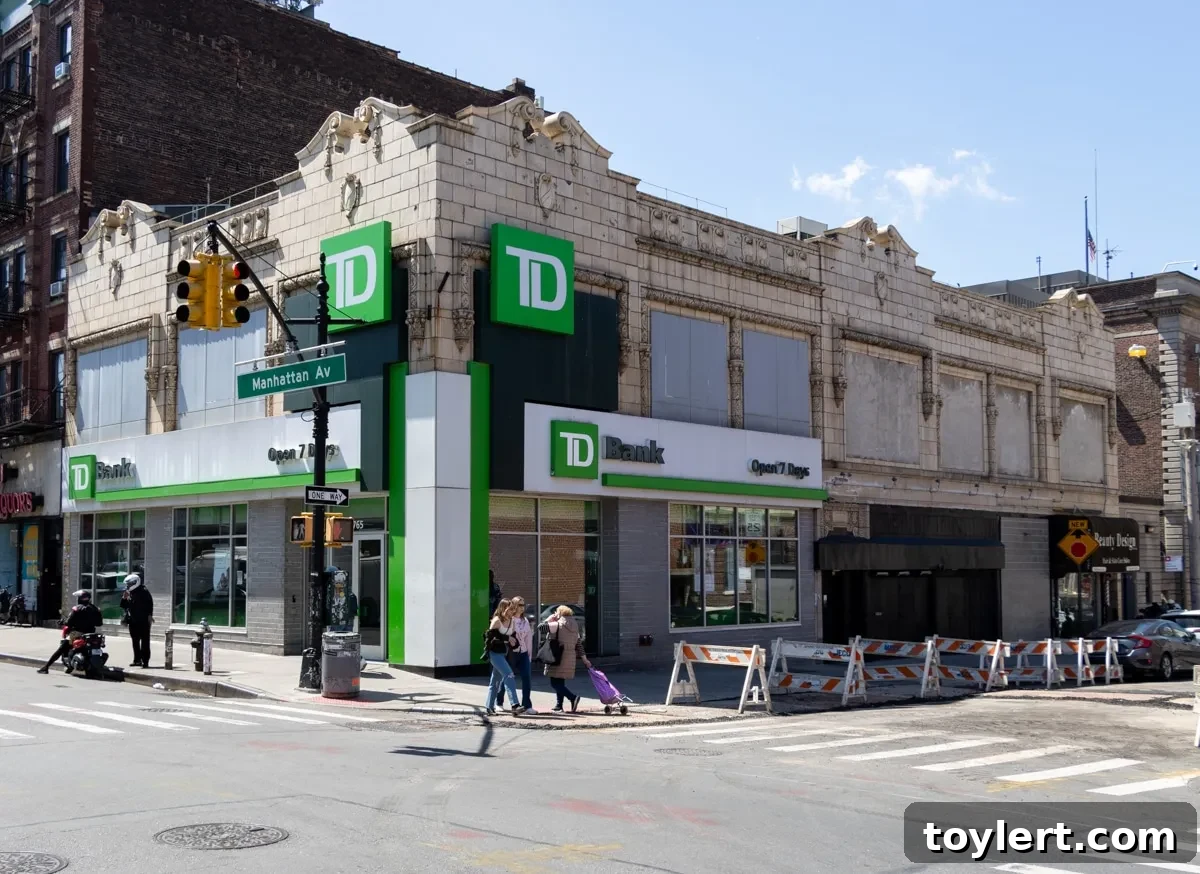
Taxpayer buildings play a crucial and often underestimated role in shaping the visual and functional fabric of urban commercial streets. Their human-scale presence often contrasts sharply with the towering buildings that might flank them, creating a more approachable, pedestrian-friendly, and intimate street-level experience. By providing continuous retail frontage, they prevent vacant lots and animate sidewalks, contributing significantly to pedestrian traffic, local commerce, and overall neighborhood vitality. Their design encourages window shopping and casual interaction, fostering a lively street culture. They are frequently found at corner locations, where their two street-facing facades offer maximum visibility for businesses, often making them highly desirable commercial spots, as exemplified by 765 Manhattan Avenue in Greenpoint.
The building at 765 Manhattan Avenue, for instance, perfectly illustrates the architectural ambition often found in these structures, even for a “temporary” investment. Its ornate pediment, richly decorated with classical elements such as an elegant urn and a prominent shield, speaks to a desire for aesthetic appeal beyond mere functionality. Such details were not simply superfluous additions; they were part of a deliberate strategy to enhance the building’s curb appeal, signal quality to potential tenants and customers, and integrate it gracefully into a developing urban environment. These specific stylistic choices reflect the popular architectural trends of the late 19th or early 20th century, demonstrating that even a financially driven, “temporary” construction could be built with an eye for enduring design and a lasting presence, contributing significantly to the aesthetic richness of the streetscape.
An Enduring Legacy: From Temporary to Timeless
The Evolution: Outliving Their Intended Lifespan
While originally conceived as transient structures, destined to be replaced by grander schemes, many taxpayer buildings defied their intended impermanence. For a variety of reasons – economic downturns that halted larger development projects, changes in zoning regulations that made larger constructions less feasible, or simply the enduring success and community embeddedness of the small businesses they housed – countless taxpayer buildings were never demolished to make way for the skyscrapers envisioned by their original developers. Instead, they adapted, evolved, and became integral, often beloved, parts of their neighborhoods. Their relatively low rents and manageable footprints made them ideal incubators for local businesses, fostering community vitality and providing accessible retail options for residents, creating a diverse and vibrant local economy.
Over decades, these buildings often outlived their “temporary” designation, becoming cherished landmarks in their own right. They stand as living testaments to earlier eras of urban development, offering tangible connections to the past and a sense of continuity in ever-changing cityscapes. Their survival often highlights the enduring economic viability of smaller-scale commercial activity and the remarkable resilience of local entrepreneurs. They represent a counter-narrative to the relentless march of large-scale development, preserving a human scale and a unique character that larger, more modern projects sometimes fail to achieve, thereby contributing to the authentic identity of a place.
Adaptive Reuse and Modern Relevance: A Vital Urban Asset
Today, taxpayer buildings continue to play a vital role in urban economies and cultural landscapes across numerous cities. Many have undergone sensitive renovations, meticulously preserving their historic facades and unique architectural details while modernizing their interiors to suit contemporary needs and tastes. They house an astonishing array of businesses, from trendy cafes and artisanal shops to vibrant boutiques, co-working spaces, and essential community services. Their inherent adaptability is a testament to their simple yet robust design, making them versatile canvases for new generations of entrepreneurs. The undeniable charm of their often-historic architecture, combined with their practical dimensions and street-level engagement, makes them highly sought-after commercial spaces in many urban centers, contributing significantly to a neighborhood’s desirability.
Their significance extends well beyond mere commerce. Taxpayer buildings contribute profoundly to the unique identity, walkability, and visual appeal of neighborhoods, fostering a strong sense of place that is increasingly valued in contemporary urban planning. They provide affordable commercial spaces that are absolutely essential for small, independent businesses – the very lifeblood of local economies. By offering a more diverse range of commercial space than just large, modern developments, they support economic diversity, encourage local entrepreneurship, and actively prevent the homogenization of urban environments. These fascinating structures, born out of a clever financial strategy from a bygone era, have evolved into beloved and indispensable components of our cities, silently telling rich stories of ingenuity, change, adaptation, and enduring urban character, continuing to shape the daily lives of millions.