Exploring Brooklyn’s Dynamic Landscape: Culture, Development, and Community Voices
Brooklyn, a borough renowned for its vibrant culture, diverse communities, and relentless evolution, remains a focal point for both local residents and global observers. From the bohemian streets of Williamsburg to the historic brownstones of Bed-Stuy and the scenic waterfronts of Bay Ridge, Brooklyn is a tapestry woven with stories of progress, preservation, and persistent local spirit. This article delves into recent developments and ongoing narratives that shape the borough, reflecting its complex character and the constant interplay between tradition and modernity, local charm and urban growth. As New York City continues its rapid transformation, Brooklyn stands out as a microcosm of urban change, where every street corner tells a story of adaptation, resistance, and thriving community.
Cultural Resilience and Shifting Identities in Brooklyn
Brooklyn’s identity is deeply rooted in its rich cultural fabric, which, despite rapid urban development and demographic shifts, often finds innovative ways to thrive and adapt. The borough’s neighborhoods are a testament to how tradition can coexist with modernity, creating a unique urban experience that continuously evolves.
The Enduring Charm of Vinyl in Williamsburg
While the digital age has largely overshadowed physical music media, Williamsburg steadfastly defies the global trend of declining vinyl sales. This eclectic neighborhood continues to be a vibrant haven for audiophiles and collectors, boasting a thriving ecosystem of independent record stores. These establishments are far more than just retail outlets; they serve as critical cultural hubs, community gathering spaces, and vital anchors for a subculture that deeply values tangible art, curated selections, and immersive listening experiences. The continued vibrancy of record sales here speaks volumes about Williamsburg’s unique cultural ethos, where nostalgia for analog aesthetics blends seamlessly with a progressive appreciation for art, music, and craft. This phenomenon underscores a broader trend of local communities preserving distinct cultural elements and fostering independent businesses against the homogenizing forces of mainstream commercialism, solidifying Brooklyn’s reputation as a cultural trendsetter.
Records Are Dying? Not in Williamsburg[NY Times]
Williamsburg’s Commercial Evolution: From Indie Boutiques to Iconic Chains
The evolving commercial landscape of Williamsburg presents a fascinating dichotomy, reflecting the complex layers of its demographic and economic transformation. Known globally for its independent boutiques, artisanal coffee shops, and unique eateries that once defined its “hipster” allure, the neighborhood now also sees the pervasive presence of national chains. The observation that Williamsburg Runs on Dunkin’
encapsulates this intriguing blend of local character and mainstream accessibility. It reflects the area’s demographic shifts and the integration of diverse populations – from long-time working-class residents to new artists, young professionals, and families – all contributing to the neighborhood’s daily rhythm. This coexistence highlights the challenges and opportunities of rapid growth, as beloved local spots contend with the undeniable draw and convenience of larger franchises, ultimately shaping the everyday experience of countless Brooklynites. It’s a clear indicator of how even the most unique neighborhoods adapt to broader consumer demands.
Williamsburg Runs on Dunkin’ [NY Daily News]
Urban Development, Infrastructure, and Historic Preservation in Brooklyn
Brooklyn is a borough in perpetual motion, with construction cranes dotting its skyline and new developments continuously reshaping its neighborhoods. This rapid growth, while bringing new economic opportunities and housing options, also raises critical questions about existing infrastructure, the preservation of historical assets, and the overall well-being of its diverse communities.
Prioritizing Cyclist Safety and Urban Planning in Bay Ridge
As Brooklyn increasingly embraces more sustainable and active transportation methods, ensuring the safety of cyclists becomes an urgent priority for urban planners and local authorities. The City’s decision to study a particularly dangerous intersection in Bay Ridge, known for posing significant risks to cyclists, is a crucial step towards improving urban infrastructure and promoting safer streets. This proactive initiative reflects a growing recognition of the need for safer pathways for all road users, particularly those opting for eco-friendly commutes like cycling. Community advocacy groups and urban planners frequently collaborate to identify such high-risk areas, pushing for essential design changes, clearer signage, dedicated bike lanes, and stricter enforcement of traffic laws to prevent accidents. Such detailed studies are vital not only for creating a more bike-friendly borough but also for enhancing public health, reducing traffic congestion, and fostering a more environmentally conscious urban landscape across Brooklyn.
City Studies Bay Ridge Intersection Dangerous to Cyclists[NY Daily News]
Honoring Local Leaders: The “Ambassador” Role for Marty Markowitz
Local politics and the influence of charismatic community leadership play a significant role in shaping Brooklyn’s public image and civic pride. The borough’s push to create an “Ambassador” job specifically for Marty Markowitz, the long-serving and widely beloved former Brooklyn Borough President, highlights the community’s deep appreciation for its influential figures. Markowitz, known for his distinctive personality and unwavering dedication to Brooklyn, served multiple terms, becoming a recognizable symbol of the borough. Such initiatives often aim to leverage the extensive experience, public appeal, and networking capabilities of respected leaders to effectively promote Brooklyn’s unique interests, rich culture, and burgeoning tourism industry on a broader stage. It speaks to a collective desire to maintain continuity, harness invaluable institutional knowledge, and ensure that the borough’s unique spirit continues to be represented, fostering both civic pride among residents and greater external engagement with the rest of New York City and beyond.
Brooklyn Begins Push to Create “Ambassador” Job for Markowitz [NY Daily News]
The Ongoing Loss of Historic Brooklyn Theaters
The demolition of yet another historic Brooklyn theater underscores a pervasive and often painful tension between relentless urban development and the crucial need for cultural preservation. These venerable institutions are frequently more than just aging buildings; they are irreplaceable repositories of community memory, architectural landmarks showcasing bygone eras, and cherished spaces that have hosted generations of artists, performers, and audiences. Their loss often sparks intense debates about gentrification, the economic valuation placed on heritage, and the alarming speed at which Brooklyn’s unique physical and cultural landscape is transforming. Preserving these historic sites presents a significant challenge, requiring a careful balancing act between pressing economic pressures, skyrocketing land values, and the undeniable cultural importance they hold for the borough’s identity and collective memory. Each demolition serves as a poignant and often regrettable reminder of the irreplaceable elements of Brooklyn’s storied past fading into history, impacting the borough’s distinctive character.
Another Historic Brooklyn Theater Bites the Dust[NY Daily News]
Real Estate Shifts: 1000 Dean and the Search for New Creative Hubs
The closure of prominent creative spaces and their subsequent replacement by new commercial or residential ventures is a familiar and often disheartening narrative in Brooklyn’s rapidly evolving real estate market. The recent leasing of space at 1000 Dean, potentially emerging as a successor to the much-missed 3rd Ward, illustrates the continuous and challenging search for new creative hubs amidst rising property values and changing urban priorities. 3rd Ward was a notable and beloved arts and maker space that provided invaluable resources, studios, and community for Brooklyn’s vast artistic community. The efforts to establish new centers like 1000 Dean reflect the ongoing and undeniable demand for spaces that can foster innovation, artistic production, and entrepreneurial spirit, even as the complex economics of urban development make it increasingly challenging for such establishments to thrive sustainably. This ongoing saga highlights the borough’s unwavering commitment to its creative economy, albeit in an ever-shifting physical and financial landscape that demands constant adaptation from its artists and entrepreneurs.
1000 Dean Leases Space, Looks to Replace 3rd Ward[Brooklyn Paper]
The Gentrification Chamber: Luxury Developments on the Outskirts of Neighborhoods
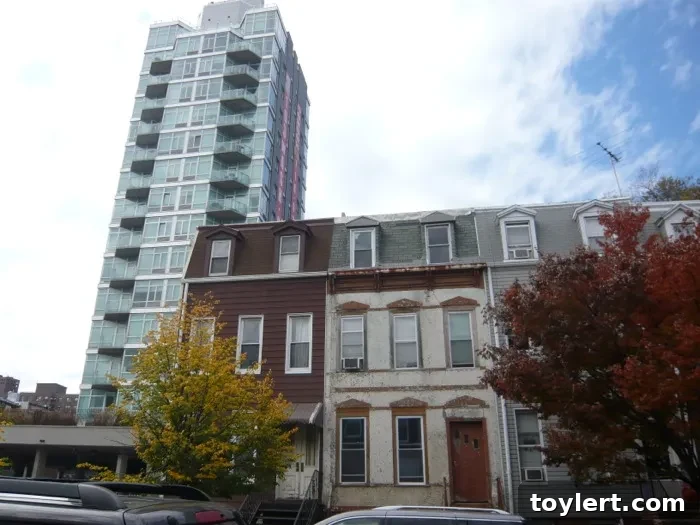
Gentrification remains a defining, often controversial, and deeply impactful aspect of Brooklyn’s ongoing evolution. The concept of a “Gentrification Chamber” – a vivid term describing the emergence of luxury buildings and high-end developments on the literal and metaphorical outskirts of established neighborhoods – perfectly captures the spatial and socio-economic dynamics of this widespread phenomenon. These developments often push the boundaries of affordability and existing neighborhood character, bringing new demographics, increased property values, and higher costs of living to areas previously considered less desirable or more affordable. This significant trend raises vital questions about housing equity, potential community displacement, and the future socio-economic composition of Brooklyn’s diverse population. It is a complex issue that consistently sparks debates about inclusive growth, the preservation of neighborhood authenticity, and the very soul of what it means to be a Brooklyn resident in the 21st century.
The Gentrification Chamber: Bunkering Down in a Luxury Building on the Outskirts [NY Observer]
Community Resilience and Grassroots Activism in the Face of Urban Change
Despite the immense pressures of rapid development, economic shifts, and demographic changes, Brooklyn’s diverse communities consistently demonstrate remarkable resilience and a strong, enduring spirit of activism. Residents actively advocate for their values, voice their concerns, and work collaboratively to shape the future of their beloved neighborhoods.
Independent Stores Thrive in Brownstone Brooklyn Against Chain Competition
In the picturesque and historically rich neighborhoods of Brownstone Brooklyn, a strong sense of local identity and entrepreneurial spirit continues to flourish, often against the odds. The notion that Independent Brownstone Brooklyn Stores Aren’t Afraid of J.Crew
speaks volumes about the enduring appeal, competitive edge, and unique character of local businesses in these areas. These stores, ranging from bespoke boutiques to artisanal food shops, often offer unique products, personalized customer service, and a distinct community feel that large chain retailers, despite their resources, struggle to replicate. This resilience reflects a conscious consumer base that actively chooses to support local economies and deeply appreciates the individual character that independent shops bring to their historic streets. It’s a powerful and inspiring narrative of local businesses successfully holding their own against the might of national brands, showcasing the vibrant and unique retail landscape that remains a cornerstone of Brownstone Brooklyn’s charm and economic vitality.
Independent Brownstone Brooklyn Stores Aren’t Afraid of J.Crew [Racked]
Barclays Center and Persistent Neighborhood Concerns: The Battle Over Noise Pollution
The construction and ongoing operation of major urban landmarks, such as the Barclays Center in Downtown Brooklyn, invariably bring both significant economic benefits and a complex array of community challenges. Reports indicating that Not Much Happens After Barclays Neighbors File Noise Complaint
highlight the often-frustrating and prolonged reality for residents living in the immediate vicinity of large entertainment venues. Issues such as persistent noise pollution, exacerbated traffic congestion, and the logistical challenges of crowd management are common and significant concerns for communities adjacent to such massive developments. This ongoing tension underscores the critical importance of effective, transparent, and continuous dialogue between developers, city authorities, and local residents to mitigate negative impacts and ensure a harmonious urban environment. It’s a stark reminder that even monumental projects must continually address and adapt to the quality of life concerns of their closest neighbors, striving for a balance between economic growth and community well-being.
Not Much Happens After Barclays Neighbors File Noise Complaint [AYR]
Public Art and Urban Spaces: The Williamsburg Waterfront Sculpture Controversy
Public art installations, while often intended to beautify and engage, frequently ignite community discussion and, at times, considerable controversy. The State’s order for the removal of a massive sculpture from the Williamsburg Waterfront is a prime example of the complex interplay between artistic expression, regulations governing public space, and community aesthetics. While public art undoubtedly has the potential to enhance urban environments, foster cultural engagement, and inspire dialogue, its placement, permanence, and compliance often fall under the purview of various regulatory bodies, including state and city agencies. This specific incident highlights the logistical and legal challenges of navigating bureaucratic processes, obtaining necessary permits, and ensuring that public art initiatives align with both the artistic vision and official guidelines, all while respecting the ecological integrity and public access considerations of a vital waterfront area. It emphasizes the need for careful planning and stakeholder engagement in public art projects.
State Orders Removal of Massive Sculpture From Williamsburg Waterfront [DNAinfo]
Bed-Stuy’s Instagram Activist: Giving Voice to the “Forgotten People”
In an age increasingly dominated by digital communication, social media platforms have unequivocally emerged as powerful and accessible tools for grassroots activism and compelling community storytelling. Bed-Stuy’s Instagram activist, who dedicates their platform to telling the poignant stories of Forgotten People,
exemplifies this modern and impactful approach to advocacy. By meticulously documenting the lives, struggles, and everyday experiences of marginalized or often overlooked individuals within their community, these digital activists shed critical light on pressing social issues, foster empathy among a broader audience, and effectively mobilize support for vital local causes. This innovative form of grassroots journalism allows for immediate engagement, transcends traditional media barriers, and creates a powerful visual and narrative archive of a neighborhood’s evolving social fabric. It ensures that diverse voices are heard, challenging prevailing narratives and bringing essential human stories to the forefront amidst Brooklyn’s rapid changes.
Bed Stuy’s Instagram Activist Tells Stories of “Forgotten People”[DNAinfo]