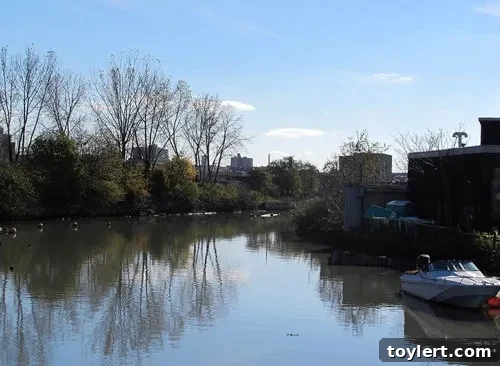
Assessing the Aftermath: Water Quality in NYC Waterways Post-Hurricane Sandy
In the wake of Hurricane Sandy, a storm that profoundly impacted the Northeast United States, New York City faced unprecedented challenges, not least among them the critical question of environmental damage. As the city began its arduous recovery, concerns mounted over the health of its iconic waterways, which had borne the brunt of the storm’s surge. Addressing these pressing concerns, the vigilant nonprofit water quality watchdog, Riverkeeper, sprang into action.
Just one week following the tempest, Riverkeeper initiated comprehensive testing across the Gowanus Canal, Newtown Creek, and other vital New York City waterways. The findings, later reported on the insightful blog Pardon Me For Asking, offered a complex and at times alarming snapshot of the aquatic environment. While some areas surprisingly showed lower than usual levels of contamination, others, most notably the notorious Gowanus Canal, revealed persistent and dangerously high levels of bacterial pollution, underscoring the deep-seated environmental vulnerabilities exposed by the superstorm.
Riverkeeper’s Vigilance: Uncovering the Impact of Hurricane Sandy
Riverkeeper, an organization with a storied history of protecting the Hudson River and its tributaries, extended its critical oversight to the broader New York Harbor system after Sandy. Their mission is not merely to identify pollution but to advocate for clean water, enforce environmental laws, and empower communities to safeguard their local ecosystems. The immediate post-Sandy period presented a unique and urgent scenario, demanding swift and accurate assessment of the storm’s ecological footprint.
The extensive testing conducted by Riverkeeper aimed to quantify the levels of bacterial contamination, primarily indicative of sewage presence, which is a common and dangerous byproduct of urban infrastructure overwhelmed by extreme weather events. The selected test sites, including the historically troubled Gowanus Canal and Newtown Creek, were chosen due to their known susceptibilities to pollution and their critical roles within the city’s complex waterway network. The results were awaited with bated breath by environmentalists, policymakers, and local residents alike, all eager to understand the true cost of Sandy to the natural environment.
The Paradoxical “Flush”: How Sandy Temporarily Cleansed Some Waters
One of the most intriguing, and initially counterintuitive, findings from Riverkeeper’s analysis was the observation that bacterial contamination levels were “mostly lower than usual” in many of the tested sites. This phenomenon was attributed to the sheer scale of the storm itself, particularly the “three very high tides which occurred during the storm (Monday morning through Tuesday midday).”
As Riverkeeper explained, these monumental tides brought an “unimaginable amounts of clean sea water into New York Harbor.” This massive influx acted as a colossal natural flushing mechanism, effectively diluting and sweeping away much of the existing sewage contamination. This included pollutants released by combined sewer overflows (CSOs) – which occur when stormwater and sewage systems are overwhelmed – and any failures within pump stations and sewer plants that might have transpired during the chaos of the storm. The temporary cleansing effect highlighted the immense power of natural forces, even as they simultaneously wrought destruction. It was a stark reminder of the dynamic interplay between urban infrastructure, natural cycles, and extreme weather, offering a fleeting glimpse of what cleaner waterways could entail if not for persistent human-induced pollution.
The Gowanus Canal: A Persistent Scar on the Urban Landscape
While many areas experienced a temporary reprieve, the Gowanus Canal emerged as a critical exception, once again revealing its profound vulnerability to environmental degradation. Riverkeeper reported “unacceptably high levels of bacterial contamination” within this notorious Brooklyn waterway. The Gowanus, a designated Superfund site, has a long and troubled history of pollution, stemming from decades of industrial waste, raw sewage discharges, and urban runoff. Its unique geography—a slow-moving, enclosed channel—makes it particularly susceptible to the accumulation of pollutants.
The reason for the Gowanus Canal’s extreme contamination, even after the widespread flushing observed elsewhere, was pinpointed by Riverkeeper: “The extreme contamination in the Gowanus Canal is probably due to additional, perhaps ongoing, sewage discharges from sewer overflows or bypasses into the Canal continuing after the tidal flooding ended.” This suggests that beyond the initial storm surge, infrastructure failures or persistent systemic issues continued to release raw sewage into the canal. This ongoing discharge, likely exacerbated by the storm’s initial disruption, meant that the Gowanus was not able to benefit from the same cleansing effect. Instead, it continued to be a repository for human waste, posing significant risks to public health and the surrounding ecosystem.
The Gowanus Canal serves as a grim reminder that while nature can sometimes offer temporary solutions, systemic issues in urban infrastructure require long-term, comprehensive intervention. The ongoing Superfund cleanup efforts aim to address this legacy pollution, but the post-Sandy findings underscored the fragility of these improvements in the face of natural disasters and the critical need for resilient wastewater management systems.
Newtown Creek: A Mixed Environmental Report Card
Newtown Creek, another heavily industrialized waterway bordering Brooklyn and Queens and also a Superfund site, presented a more varied picture. Riverkeeper’s tests revealed significant bacterial contamination at “one but not both Newtown Creek test sites.” This discrepancy highlights the localized nature of pollution and the complexity of assessing environmental damage across a large, multifaceted waterway.
The reasons for this localized variation could be numerous. Different sections of the creek might be influenced by distinct combined sewer outfalls, varying degrees of industrial activity, or differences in the effectiveness of the storm’s flushing action due to the creek’s meandering shape and varying depths. Regardless, the presence of high contamination at even one site underscores that Newtown Creek, much like the Gowanus, remains a waterway under duress, perpetually battling the impacts of historical pollution and ongoing urban pressures. Monitoring such waterways with high precision is paramount to understanding their health and guiding future remediation efforts.
Beyond Bacteria: The Broader Spectrum of Post-Sandy Pollution
While bacterial contamination provides a direct measure of sewage pollution, Riverkeeper’s concerns extended far beyond this immediate threat. The organization explicitly stated its apprehension about “the chemical, petroleum and floatable pollution (such as plastics) that undoubtedly entered the river, harbor and ocean as a result of the tidal flooding and subsequent ‘flush.’” Hurricane Sandy was not just a water event; it was a destructive force that disrupted infrastructure, toppled vehicles, and breached containment areas.
The storm surge carried with it an unimaginable array of pollutants:
- Chemicals: From industrial facilities, damaged storage tanks, and even household hazardous waste.
- Petroleum: Leaking from submerged vehicles, ruptured fuel tanks, and inundated oil storage facilities. The risk of oil spills was particularly high in densely populated and industrialized areas bordering the waterways.
- Floatable Pollution: Plastics, debris, construction materials, and other solid waste were swept from streets, homes, and landfills into the waterways. These materials not only mar the aesthetic appeal of the waterways but also pose significant threats to marine life, entangling animals and introducing microplastics into the food chain.
These types of pollutants often have longer-lasting and more insidious effects than bacterial contamination, which can eventually dissipate or be diluted. Chemicals and petroleum can persist in sediments, bioaccumulate in organisms, and disrupt delicate marine ecosystems for years, if not decades. The cleanup for such diffuse and varied pollutants is incredibly challenging, often requiring extensive dredging, specialized equipment, and long-term monitoring programs. Riverkeeper’s foresight in highlighting these broader concerns emphasized the multifaceted environmental catastrophe that followed Sandy and the long road to recovery that lay ahead for New York City’s waterways.
The Indispensable Role of Water Quality Monitoring and Advocacy
The post-Sandy assessment by Riverkeeper unequivocally demonstrates the critical importance of independent water quality monitoring. Without such organizations, the true extent of environmental damage following a major disaster might remain unknown or downplayed. Riverkeeper’s work provides crucial data that informs public policy, guides cleanup efforts, and holds polluters accountable. Their findings underscore the urgent need for:
- Resilient Infrastructure: Investing in robust wastewater treatment plants and modernizing combined sewer systems to prevent overflows during extreme weather.
- Proactive Environmental Planning: Developing strategies to protect sensitive industrial sites and hazardous material storage from floodwaters.
- Community Engagement: Educating the public about the sources of pollution and empowering them to advocate for cleaner waterways.
The struggle for cleaner waterways in New York City is an ongoing battle, one fought not just against historical pollution but also against the increasing frequency and intensity of extreme weather events driven by climate change. Organizations like Riverkeeper serve as indispensable sentinels, providing the data and advocacy needed to protect these vital natural resources for future generations. Their efforts post-Sandy were a powerful testament to the necessity of environmental vigilance in an era of complex ecological challenges.
Towards a Resilient Future for NYC’s Waterways
The Riverkeeper report following Hurricane Sandy offered a sobering, yet vital, assessment of New York City’s waterways. It revealed the paradoxical ability of a powerful storm to both temporarily cleanse and profoundly contaminate different parts of a complex urban aquatic system. The immediate flushing effect was a minor silver lining, but the persistent and severe contamination in areas like the Gowanus Canal, coupled with the overarching threat of chemical and plastic pollution, underscored deep-seated vulnerabilities that require sustained attention and investment.
As New York City continues to build resilience against future storms and climate impacts, the lessons learned from Sandy and meticulously documented by organizations like Riverkeeper remain paramount. The journey toward truly clean and resilient waterways demands ongoing monitoring, robust infrastructure upgrades, stringent environmental regulations, and unwavering advocacy. Only through such concerted efforts can the city hope to transform its once-polluted arteries into vibrant ecological assets, ensuring a healthier future for both its environment and its inhabitants.