Navigating New York City’s Dynamic Urban Landscape: Development, Community, and Infrastructure
New York City, a global epicenter of culture, commerce, and innovation, is in a constant state of flux. Its boroughs, particularly Brooklyn, are vibrant ecosystems where development, community life, and infrastructure challenges intersect daily. This comprehensive overview delves into recent key headlines, offering insights into the ongoing transformations and critical conversations that define the modern urban experience in NYC.
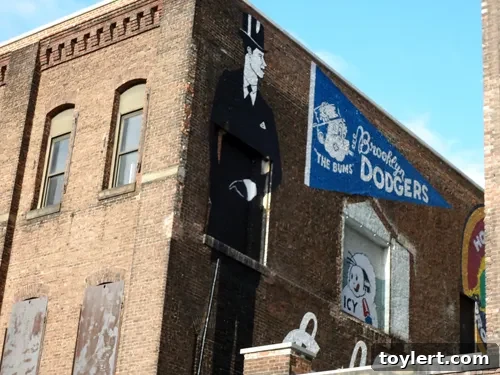
This striking image, titled “Dem Bums,” evokes a sense of nostalgia while subtly hinting at the enduring character and sometimes gritty realities of urban life in Brooklyn. Whether it’s a reference to the borough’s storied past with the Brooklyn Dodgers or a more general commentary on the human element amidst rapid development, it serves as a powerful visual anchor for the diverse narratives unfolding across the city. The interplay between historical context and contemporary challenges remains a defining feature of New York’s identity.
The Enduring Influence of Developers: Bruce Ratner and Forest City Ratner
The landscape of New York City is undeniably shaped by its developers, and few names resonate with as much impact and controversy as Bruce Ratner and his former company, Forest City Ratner. A recent New York Times report highlights Ratner’s recurring ties to legal clouds and corruption scandals, underscoring the complex and often contentious relationship between powerful developers, urban planning, and public interest.
Ratner’s legacy is most visibly etched into the fabric of Brooklyn, particularly through the ambitious Atlantic Yards project, now known as Pacific Park. This massive undertaking, which includes the Barclays Center arena, transformed a significant portion of downtown Brooklyn and Prospect Heights. While lauded by some for bringing economic revitalization and new housing, it faced fierce opposition from community groups over issues like eminent domain, affordable housing commitments, and the sheer scale of development. The “legal clouds” mentioned in the report often relate to the intricate web of political connections, lobbying efforts, and land acquisition strategies that are frequently scrutinized in large-scale urban development projects. Understanding the history and implications of such developments is crucial for residents and policymakers alike as they navigate the future growth of NYC.
The article prompts a broader discussion on transparency and ethics in real estate development. As New York continues to evolve, the decisions made by key developers have lasting consequences on housing availability, neighborhood character, and the economic well-being of its citizens. Scrutiny of these relationships ensures accountability and fosters a more equitable development process for all stakeholders.
Community Safety and Transparency: The NYPD and Crime Statistics
Public trust in law enforcement is paramount, and the transparency of crime statistics plays a crucial role in maintaining that trust. A concerning report from the NY Daily News revealed that the NYPD was withholding key crime statistics for a Bed-Stuy precinct amidst controversy surrounding alleged police quotas.
The controversy over police quotas is a long-standing issue in many urban police departments, including the NYPD. Critics argue that quotas can incentivize officers to make arrests or issue summonses to meet numerical targets, rather than focusing on serious crime prevention or community engagement. This can lead to a breakdown in trust between the police and the communities they serve, especially in neighborhoods like Bed-Stuy (Bedford-Stuyvesant), which have historically experienced complex relationships with law enforcement. The refusal to release specific crime data further exacerbates these concerns, making it difficult for the public and oversight bodies to accurately assess crime trends and police performance in the area.
For residents of Bed-Stuy, access to accurate and timely crime statistics is vital for understanding their neighborhood’s safety profile and for engaging in informed discussions about community policing strategies. The absence of such data can fuel speculation and hinder effective collaboration between police and community leaders. This incident underscores the importance of public accountability for law enforcement agencies and the need for clear communication regarding crime rates and policing methods to foster a safer and more trusting environment for all New Yorkers.
Shifting Landscapes: Corporate Relocation and Brooklyn’s Rise as a Business Hub
New York City’s commercial real estate market is constantly evolving, with significant implications for both Manhattan and its burgeoning neighbor, Brooklyn. A Crain’s New York Business article reported on an auto insurer leaving Manhattan for a substantial space at 1 Metrotech, signaling a notable trend in corporate relocation.
This move highlights the growing attractiveness of Brooklyn as a viable and vibrant business destination. Metrotech Center in Downtown Brooklyn has long been a significant commercial hub, offering competitive rents, modern office spaces, and excellent transportation links compared to some of Manhattan’s more expensive and saturated districts. For companies, relocating to Brooklyn can translate into significant cost savings on real estate, access to a diverse talent pool, and a more expansive, campus-like environment. This trend also reflects Brooklyn’s transformation from primarily a residential borough to a dynamic economic force, complete with tech startups, creative agencies, and now, major corporate tenants.
The departure of a large insurer from Manhattan underscores a broader shift in New York City’s economic geography. While Manhattan remains the financial capital, Brooklyn’s appeal is strengthening, creating a more distributed economic landscape across the city. This relocation contributes to Brooklyn’s economic vitality, bringing jobs and investment, while also prompting Manhattan landlords to re-evaluate their strategies to retain tenants. It’s a clear indicator of the city’s adaptability and the continuous rebalancing of its commercial centers.
MTA’s Ongoing Battle: Critical Subway Repairs and Commuter Impact
New York City’s subway system is the lifeblood of the metropolis, and its extensive network requires constant maintenance and upgrades. NY1 reported that a portion of the 4/5/6 subway line was shutting down for major repairs, an all too familiar occurrence for millions of daily commuters.
The 4/5/6 Lexington Avenue Line is one of the busiest subway lines in the entire system, serving critical routes through Manhattan and connecting to Brooklyn and the Bronx. Major repairs on such a vital artery inevitably lead to significant disruptions, extended travel times, and increased congestion on alternative routes or bus services. These shutdowns, while inconvenient, are absolutely essential for ensuring the long-term safety and reliability of an aging infrastructure. The MTA (Metropolitan Transportation Authority) faces the monumental task of modernizing a system that is over a century old, requiring billions of dollars in investment and complex logistical planning to minimize commuter impact.
These repair projects are part of the MTA’s broader capital program, aimed at upgrading signals, tracks, power systems, and stations. While commuters often bear the brunt of these necessary interruptions, the ongoing work is crucial for improving service, enhancing accessibility, and preparing the subway system for future demands. It highlights the constant balance between the immediate needs of a bustling city and the long-term vision for its essential public transit infrastructure.
Education Policy Shifts: Charter School Closures in NYC
The landscape of public education in New York City is dynamic, with ongoing debates about school models and performance. Another report from NY1 announced that the DOE was planning to close a Williamsburg charter school, alongside others, reflecting critical decisions regarding educational standards and resource allocation.
Charter schools, which are publicly funded but independently operated, have been a contentious topic in urban education. Proponents argue they offer innovative curricula and better outcomes for students, particularly in underserved communities, while critics raise concerns about accountability, funding, and their impact on traditional public schools. The decision by the Department of Education (DOE) to close a charter school in Williamsburg, a rapidly gentrifying Brooklyn neighborhood, along with others, is typically based on a rigorous evaluation of academic performance, financial viability, and organizational capacity. Such closures are difficult, impacting students, families, and faculty who must then navigate transitions to new educational environments.
These events underscore the continuous effort to ensure quality education for all New York City students. The DOE’s actions reflect an ongoing commitment to hold all schools, whether traditional public or charter, to high standards. For the Williamsburg community, the closure of a local charter school means a shift in educational options and emphasizes the importance of robust support systems to ensure affected students continue to receive excellent instruction and a smooth transition into new academic settings.
The Art and Impact of Property Photography in a Competitive Market
In the highly competitive New York City real estate market, presentation is everything. The Wall Street Journal featured an insightful piece on “The Property Photographer’s Art,” highlighting the critical role professional imagery plays in selling or renting properties.
Property photography has evolved into a specialized art form, far beyond simple snapshots. In a digital age where initial impressions are often made online, high-quality, professional photographs can dramatically influence a prospective buyer or renter’s decision to even visit a property. A skilled property photographer understands how to capture space, light, and architectural details, making even modest apartments appear inviting and spacious. They use wide-angle lenses, strategic lighting, and meticulous staging to present properties in their best possible light, effectively telling a story that resonates with potential clients.
For New York City, where square footage is at a premium and every listing competes for attention, the artistry of property photography is indispensable. It’s not just about documenting a space; it’s about marketing an aspiration and creating an emotional connection. This specialized field demonstrates how even niche professions contribute significantly to the broader real estate ecosystem, influencing market trends and transaction speeds in one of the world’s most dynamic property markets.
Preserving Public Spaces: Vandalism in Fort Greene Park
Public parks are vital green oases in the urban sprawl, offering respite and community gathering spaces. The Brooklyn Paper reported on an unfortunate incident where vandals struck in Fort Greene Park, an area cherished by residents.
Fort Greene Park, designed by Frederick Law Olmsted and Calvert Vaux (the creators of Central Park), is a historic and beloved landmark in Brooklyn. It serves as a central hub for recreation, relaxation, and cultural events for the Fort Greene community and beyond. Acts of vandalism, whether graffiti, damage to historical monuments, or destruction of park facilities, detract from the park’s beauty and utility. Such incidents are not merely aesthetic problems; they represent a disregard for shared public resources and can negatively impact the sense of safety and well-being within a community.
The swift reporting and community response to such acts often highlight the strong sense of ownership and pride residents have in their local parks. Efforts to repair damage and prevent future vandalism typically involve collaboration between city parks departments, local community boards, and volunteer groups. Preserving these essential green spaces is crucial for maintaining the quality of urban life, ensuring that future generations can also enjoy the peace and beauty these parks provide.
Addressing Unique Urban Challenges: Hoarding in Park Slope
Urban living often brings to light a variety of social and psychological challenges, some of which impact entire communities. F**ked in Park Slope (FIPS) brought attention to a sensitive issue with its piece on “Hoarders in Park Slope,” shedding light on a phenomenon that can pose significant challenges for individuals and their neighbors.
Hoarding disorder is a complex mental health condition characterized by the persistent difficulty discarding or parting with possessions, regardless of their actual value. This behavior often leads to an accumulation of items that clutters living areas, making them unusable and often unsafe. In dense urban environments like Park Slope, a picturesque and affluent Brooklyn neighborhood, hoarding can have profound effects on the surrounding community. Properties affected by severe hoarding can become fire hazards, attract pests, and emit odors, impacting the health, safety, and property values of neighboring residents.
Addressing hoarding requires a compassionate and multi-faceted approach, often involving mental health professionals, social services, and city agencies like the Department of Health or Buildings. Community awareness, while sometimes sensationalized, can also play a role in prompting necessary interventions, ensuring that individuals receive the help they need and that public health and safety standards are maintained. This article, while using a provocative title, touches upon a real and often overlooked issue within urban settings, emphasizing the need for understanding and support for those affected.