Pioneering Affordable Housing: Fort Greene’s Landmark LGBTQ+ Senior Residence Opens Lottery
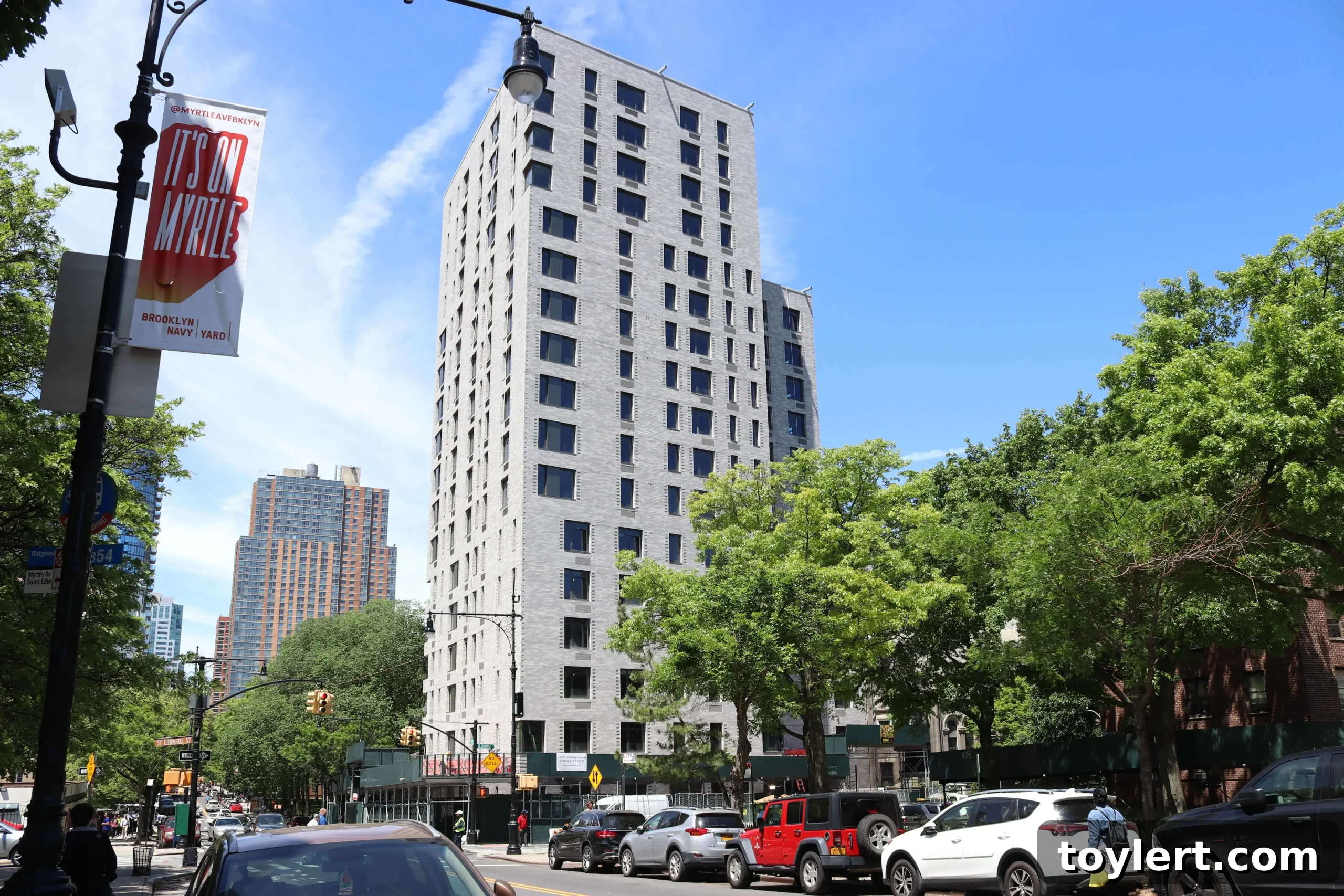
In a significant stride towards addressing the critical need for inclusive and affordable housing, an 18-story building in Fort Greene, Brooklyn, dedicated to LGBTQ+ seniors, has officially opened its housing lottery for 112 brand-new units. This much-anticipated development, located at 112 St. Edwards Street, represents a pivotal moment in New York City’s efforts to provide safe, affirming, and affordable homes for a community that has historically faced unique challenges in finding appropriate senior living options. Its construction marks not just a new structure on the Brooklyn skyline, but a beacon of hope and support for its future residents.
A Vision for Inclusive Senior Living in the Heart of Fort Greene
The towering structure at 112 St. Edwards Street is meticulously designed to cater to the specific needs and well-being of LGBTQ+ seniors, promising a living environment that is both welcoming and empowering. Situated strategically on NYCHA land, adjacent to the established Raymond V. Ingersoll Houses and directly opposite the vibrant northwest corner of Fort Greene Park, the residence offers an unparalleled blend of urban convenience and natural beauty. This prime location ensures residents will enjoy not only stunning views of one of Brooklyn’s most cherished green spaces but also immediate access to a wealth of cultural institutions, public transportation, and local amenities that define Fort Greene’s vibrant community.
This project extends beyond simply providing shelter; it’s a profound response to the long-standing issues faced by many LGBTQ+ seniors. Decades of societal discrimination, social isolation, and a prevalent lack of culturally competent care have often left this demographic marginalized, particularly as they navigate the complexities of aging. The new residence is specifically engineered to counteract these historical disparities, fostering an environment where residents can live authentically, forge meaningful connections, and access services that are truly affirming and respectful of their identities. Every aspect, from the architectural design to the anticipated programming, is geared towards cultivating a strong sense of belonging, mitigating isolation, and promoting active, fulfilling lives for its senior inhabitants.
Understanding the Affordable Housing Lottery: Eligibility and Opportunities
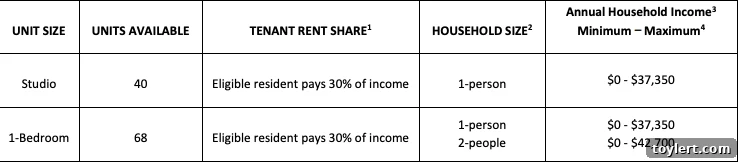
The lottery for these 112 thoughtfully designed units presents a transformative opportunity for eligible seniors seeking stable and affordable housing in New York City. A cornerstone of this development is its unwavering commitment to affordability: all units are designated for individuals and households earning under 60 percent of the area median income (AMI). This crucial threshold ensures that the residence remains genuinely accessible to low-income seniors, enabling them to thrive in a borough that has witnessed a substantial escalation in housing costs over recent decades. The AMI requirement is a vital mechanism to prevent the housing crisis from disproportionately impacting those living on fixed incomes, preserving the diverse fabric of the community.
Moreover, demonstrating a deep commitment to social equity, a significant 30 percent of the total units have been specifically allocated for individuals who have previously experienced homelessness. This provision underscores the project’s dedication to tackling one of New York City’s most urgent social challenges, offering a stable, secure, and supportive environment for those transitioning out of homelessness. This innovative, integrated approach not only provides essential housing but also facilitates access to vital wraparound services designed to support residents in rebuilding their lives with dignity and security. The thoughtful blending of income-qualified residents with those who have overcome homelessness is expected to cultivate a diverse, empathetic, and resilient community within the building.
The Broader Landscape: NYCHA Land Development and Public-Private Controversies
The realization of this innovative senior residence is inextricably linked to a larger, often contentious, initiative spearheaded by the New York City Housing Authority (NYCHA). This ambitious program involves the strategic leasing of public land, much of which was previously underutilized or hosts existing NYCHA developments, to private sector developers. The overarching goal behind this strategy is multi-faceted: primarily, to generate critically needed capital to address the multi-billion-dollar backlog of repairs and modernization required across NYCHA’s vast, aging housing portfolio, while simultaneously stimulating the creation of new affordable and, in some instances, market-rate housing units throughout the city.
The debate surrounding NYCHA’s land lease program has been intense and polarized. Advocates for the program firmly argue that these public-private partnerships are absolutely indispensable for securing the massive influx of funding that NYCHA desperately needs to prevent further deterioration of its properties. They assert that without such creative and forward-thinking financial mechanisms, tens of thousands of residents would continue to endure substandard living conditions. Furthermore, proponents emphasize the invaluable contribution these projects make to augmenting the city’s overall housing supply, particularly by focusing on affordable options, thereby playing a crucial role in alleviating New York City’s severe and persistent housing crisis.
Conversely, critics have voiced significant and legitimate concerns regarding the potential adverse implications of these large-scale public-private ventures. Paramount among these worries are fears of escalating gentrification in traditionally low-income neighborhoods, the gradual privatization of valuable public assets, and the very real potential for displacement of existing NYCHA residents or the erosion of their established community ties. Questions concerning the transparency and fairness of the leasing process, the long-term socio-economic impact on the unique character of NYCHA developments, and the assurance of tangible, equitable benefits for the wider community have consistently remained at the forefront of public discourse. The Ingersoll Senior Residence project, therefore, operates within the complex intersection of this evolving urban development strategy, striving to achieve a delicate balance between the urgent need for new housing and funding, and the imperative of robust community preservation and empowerment.
Anticipated Amenities and the Thriving Community Life
While the full spectrum of amenities will be unveiled closer to the building’s completion, contemporary affordable senior housing developments typically feature a comprehensive array of facilities designed to maximize resident comfort, ensure safety, and foster vibrant engagement. Prospective residents at 112 St. Edwards Street can confidently anticipate well-designed, fully accessible units, often equipped with state-of-the-art, energy-efficient appliances and thoughtfully planned layouts that prioritize ease of living. Common areas are expected to include a spacious community room, ideal for social gatherings, workshops, and events; a modern fitness center specifically tailored with senior-friendly equipment; convenient on-site laundry facilities; and potentially beautifully landscaped outdoor green spaces or inviting rooftop terraces offering serene spots for relaxation, recreation, and breathtaking city views. The immediate proximity to the expansive Fort Greene Park inherently provides an extraordinary “backyard” for residents to explore and enjoy.
Beyond the impressive physical infrastructure, the profound value of a residence like this truly resides in the inclusive and supportive community it intentionally cultivates. For LGBTQ+ seniors, an affirming environment translates into access to culturally sensitive programming, dedicated support groups, and invaluable opportunities to connect with peers who share similar life experiences and understandings. The overarching objective is to forge a vibrant, intergenerational community where every resident feels genuinely valued, deeply respected, and thoroughly empowered. This inclusive vision could manifest through strategic partnerships with local LGBTQ+ organizations, facilitating the provision of specialized services, educational workshops, and diverse social activities that meticulously cater to the unique needs, interests, and histories of the residents, ensuring a truly holistic living experience.
Fort Greene: A Tapestry of History, Culture, and Connectivity
Fort Greene itself is a neighborhood steeped in profound history and pulsating with vibrant culture, rendering it an unequivocally ideal location for this significant new senior residence. Renowned for its picturesque rows of historic brownstones, tranquil tree-lined streets, and an exceptionally strong sense of community, Fort Greene offers an enriching and dynamic urban experience that is second to none. Residents will find themselves perfectly situated within comfortable walking distance of the illustrious Brooklyn Academy of Music (BAM), a globally recognized cultural institution that consistently presents world-class theater, dance performances, and critically acclaimed films. The area also boasts a remarkably diverse culinary landscape, ranging from charming, cozy cafes perfect for a morning coffee to sophisticated, upscale restaurants ideal for special occasions, complemented by an array of independent boutiques that collectively contribute to its distinctive charm and character.
Public transportation options are extraordinarily abundant and conveniently accessible, with multiple subway lines just steps away, effortlessly connecting residents to every corner of Brooklyn and the vibrant heart of Manhattan. This exceptional connectivity is paramount for seniors, empowering them to maintain independence, easily access vital healthcare services, visit family and friends, and engage with the broader resources and opportunities that New York City offers. Fort Greene Park, a masterpiece of landscape architecture designed by the legendary Frederick Law Olmsted and Calvert Vaux (the brilliant minds behind Central Park), stands as a cherished local landmark. Its sprawling green lawns, magnificent monument, and diverse recreational facilities provide a serene urban sanctuary and an invaluable space for exercise, peaceful contemplation, and robust social interaction – a truly significant and enriching asset for the residents of 112 St. Edwards Street.
Guidance for Prospective Applicants: Navigating the Lottery Process
Prospective applicants who are interested in securing one of the 112 highly sought-after units at the new residence on 112 St. Edwards Street are strongly advised to meticulously monitor the official housing lottery websites and utilize all resources provided by the New York Housing Conference and NYCHA. The application process typically requires the submission of comprehensive financial documentation, designed to verify eligibility based on precise income thresholds, household size, and specific set-aside criteria, such as formerly homeless status. It is absolutely paramount to complete and submit all applications accurately, thoroughly, and strictly within the specified deadlines to ensure consideration for the lottery. Incomplete or late submissions are frequently disqualified.
Detailed information on how to apply, including comprehensive income requirements, specific age restrictions (if any), and specifics regarding the building’s anticipated amenities and services, can typically be found through NYC Housing Connect or directly via the official websites of the New York Housing Conference and NYCHA. Participation in such highly competitive lotteries demands a combination of patience and diligence, but for countless individuals, it represents the most viable and often only pathway to securing stable, genuinely affordable housing in one of the world’s most challenging and competitive real estate markets. This particular lottery offers a unique and invaluable opportunity not merely to acquire housing, but to become an integral part of a thoughtfully designed, compassionate community, offering far more than just shelter – it promises a true and welcoming home.
The Future Impact: A New Benchmark for Urban Affordable Housing
The Ingersoll Senior Residence is poised to establish a groundbreaking new standard for affordable and inclusively designed senior housing, not just within Brooklyn but potentially inspiring similar initiatives across New York City and indeed, nationwide. By ingeniously leveraging underutilized NYCHA land, creating purpose-built housing specifically tailored for a historically vulnerable population such as LGBTQ+ seniors, and crucially integrating units for the formerly homeless, this project exemplifies a truly forward-thinking and empathetic approach to modern urban development. It powerfully demonstrates that with meticulous planning, dedicated community engagement, and innovative partnerships, it is entirely feasible to address complex and multifaceted housing needs while simultaneously revitalizing vital public assets and fostering greater social equity.
The ultimate success of this pioneering residence will undoubtedly serve as a compelling blueprint and inspire countless similar developments, fostering a deeper, more widespread understanding of the profound importance of intersectional housing solutions. The magnificent building at 112 St. Edwards Street will stand as an enduring testament to New York City’s unwavering commitment to supporting all its residents, ensuring that even in their golden years, LGBTQ+ individuals can discover the dignity, profound respect, and a truly welcoming place to unequivocally call home. This venture offers much more than just physical shelter; it offers invaluable hope, a vibrant community, and a clear, actionable blueprint for constructing a more equitable and compassionate urban future for generations to come.