Bruce Ratner on Hillary Clinton’s Brooklyn Heights Headquarters: A Landmark Moment for Urban Real Estate
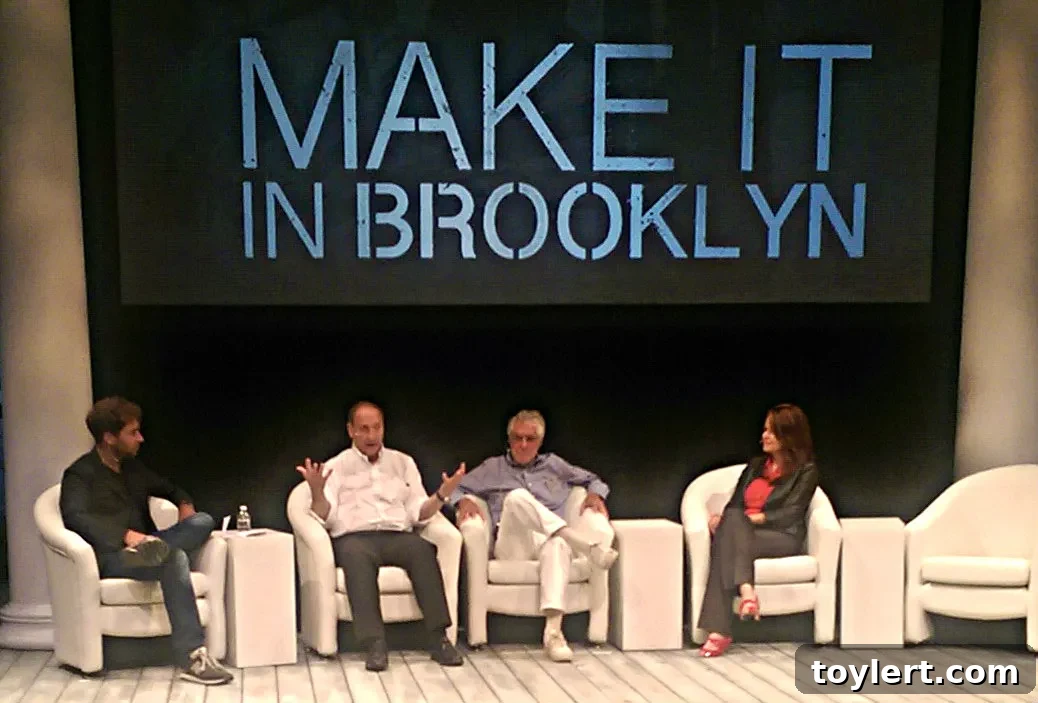
In a revealing moment at the Make It In Brooklyn Innovation Summit, legendary real estate developer Bruce Ratner shared his thoughts on an unexpected, high-profile tenant: Hillary Clinton. When asked about her presidential campaign establishing its headquarters at 1 Pierrepont Plaza, a building he famously developed in 1987, Ratner’s candid response captured the essence of professional pride and urban transformation. “I was honored. I was sort of surprised. I’m delighted. No matter what my politics are,” he stated, reflecting a sentiment that transcends political affiliations and underscores the significant role of real estate in shaping modern cities and political landscapes.
The Visionary Behind Brooklyn’s Transformation: Bruce Ratner
Bruce Ratner stands as one of the most influential figures in Brooklyn’s recent history. As the former executive chairman of Forest City Ratner Companies, he spearheaded numerous large-scale developments that dramatically reshaped the borough’s skyline and economic trajectory. His portfolio includes iconic projects like MetroTech Center, an office complex that revitalized downtown Brooklyn, and the controversial yet transformative Atlantic Yards development, which brought the Barclays Center arena and extensive residential and commercial spaces to the borough. Ratner’s vision often involved ambitious, multi-faceted projects designed to turn industrial or underutilized areas into thriving urban centers, attracting businesses, residents, and significant investment.
His impact extends beyond individual buildings; Ratner played a crucial role in positioning Brooklyn as a viable, dynamic alternative to Manhattan, fostering its growth into a hub for technology, culture, and now, national politics. His ability to navigate complex urban planning, secure financing, and manage large-scale construction projects earned him a reputation as a tenacious and often pioneering developer. The selection of one of his properties by a major presidential campaign served as a testament to the enduring quality and strategic location of his developments, cementing Brooklyn’s status on the national stage.
1 Pierrepont Plaza: A Strategic Hub in Brooklyn Heights
Constructed in 1987, 1 Pierrepont Plaza is a prime example of Ratner’s early contributions to Brooklyn’s modernization. Nestled in the prestigious and historic neighborhood of Brooklyn Heights, the building offers unparalleled views of the Manhattan skyline, the Brooklyn Bridge, and the New York Harbor. Its strategic location provides excellent accessibility to transportation, including multiple subway lines, making it an ideal logistical base for any large organization, let alone a presidential campaign.
Brooklyn Heights itself is renowned for its elegant brownstones, tree-lined streets, and a quiet residential charm that belies its proximity to the bustling financial districts of downtown Brooklyn and Manhattan. The decision by Hillary Clinton’s campaign to establish its national headquarters here was more than just a logistical choice; it was a symbolic one. It signaled a deliberate move to tap into Brooklyn’s vibrant, diverse, and progressively-minded populace, reflecting a broader strategy to connect with a younger, more urban demographic that had become increasingly influential in national politics. The building, with its modern infrastructure and prominent address, offered the necessary space and prestige for a campaign operation of that scale, combining practicality with a powerful message about the campaign’s direction and values.
For Ratner, seeing one of his developments become a focal point for national discourse was undoubtedly a point of pride. It validated his decades-long commitment to building quality spaces that attract top-tier tenants, whether they are major corporations, innovative startups, or, in this unique instance, a presidential candidate.
The Context of the Make It In Brooklyn Innovation Summit
The “Make It In Brooklyn Innovation Summit” provided the perfect backdrop for Ratner’s comments. This annual event is dedicated to celebrating and fostering Brooklyn’s burgeoning innovation economy, bringing together entrepreneurs, investors, civic leaders, and policymakers to discuss the borough’s future. The summit reflects Brooklyn’s transformation from a primarily residential and industrial area into a dynamic center for technology, creative industries, and entrepreneurship. Events like this highlight the borough’s commitment to nurturing new businesses, attracting talent, and maintaining its competitive edge in the global economy.
Within this context, the discussion of Hillary Clinton’s campaign headquarters at 1 Pierrepont Plaza was particularly resonant. Her presence underscored Brooklyn’s growing influence and its appeal as a strategic location for ventures of all kinds, including high-stakes political campaigns. It served as a powerful testament to the borough’s maturation and its capacity to support complex, high-visibility operations. Ratner’s participation in such summits often involves sharing insights from his vast experience, encouraging further investment, and advocating for policies that support sustainable urban development. His remarks about Clinton’s tenancy tied perfectly into the narrative of Brooklyn as a place where significant things happen, a place where one can truly “make it.”
Ratner’s Professional Perspective: Beyond Politics
Bruce Ratner’s response—“I was honored. I was sort of surprised. I’m delighted. No matter what my politics are”—offers a fascinating glimpse into the mindset of a seasoned developer. His emphasis on “no matter what my politics are” highlights a fundamental principle of commercial real estate: success is often measured by the quality of tenants and the prestige they bring to a property, irrespective of personal political leanings. For a developer, a high-profile tenant like a presidential campaign signifies a thriving asset, a strong rental market, and a testament to the building’s and the location’s appeal.
This professional detachment is crucial in the real estate world, where deals are driven by market forces, strategic advantage, and the intrinsic value of property. Attracting a tenant of Hillary Clinton’s stature elevates the profile of 1 Pierrepont Plaza, enhances its prestige, and potentially increases its long-term value. It positions the building as a landmark, a place where history is made, which is a powerful selling point in the competitive New York City real estate market. Ratner’s candor revealed a developer genuinely pleased with the outcome, a successful transaction that brought attention and validation to one of his foundational projects, all while maintaining a dignified neutrality on the political implications.
Brooklyn’s Emergence as a Political and Economic Powerhouse
The choice of Brooklyn as a campaign headquarters was not merely about a building; it was about the borough’s symbolic and practical significance. Brooklyn has experienced an unprecedented renaissance over the past two decades, transforming from a historically industrial and residential area into a vibrant cultural, technological, and economic hub. This transformation has attracted a diverse population, including a significant number of young professionals, artists, and entrepreneurs.
For a national political campaign, Brooklyn offers a unique blend of urban dynamism, a diverse talent pool, robust infrastructure, and a palpable sense of progressive energy. Establishing roots in Brooklyn allowed the campaign to tap into a rich network of volunteers and supporters, project an image of modernity and forward-thinking, and connect with a key demographic that increasingly defines the national conversation. This move further solidified Brooklyn’s reputation as more than just a desirable place to live; it became a place where national narratives are shaped and political futures are forged. The presence of a major presidential campaign headquarters in the borough served as an undeniable declaration of Brooklyn’s arrival on the national and global stage.
The Interplay of Politics, Property, and Public Perception
The story of Hillary Clinton’s campaign setting up shop in Bruce Ratner’s building at 1 Pierrepont Plaza beautifully illustrates the intricate relationship between politics, real estate, and public perception. A building, otherwise a commercial asset, gains a layer of historical and cultural significance when it becomes the nerve center of a national political movement. This symbiotic relationship creates a powerful narrative: the developer’s legacy is further burnished by the high-profile tenant, and the tenant benefits from the prestige and strategic advantages of the developer’s property.
For the residents of Brooklyn Heights and the wider borough, the presence of such a significant political entity brought a mix of excitement, curiosity, and a reaffirmation of Brooklyn’s increasing relevance. It spurred local economic activity, generated media attention, and fostered a sense of civic engagement. This convergence of a seasoned developer’s vision and a presidential candidate’s ambition highlights how urban spaces are not just structures of brick and mortar, but living entities that reflect and influence the social, economic, and political currents of their time.
A Lasting Legacy of Urban Transformation
Bruce Ratner’s delight in hosting Hillary Clinton’s campaign headquarters at 1 Pierrepont Plaza is more than just a developer’s satisfaction with a successful lease. It is a moment that encapsulates the enduring legacy of his work in Brooklyn. From transforming desolate industrial zones into bustling commercial districts to creating mixed-use developments that blend residential, retail, and entertainment spaces, Ratner has consistently pushed the boundaries of urban development. His projects have not only provided physical structures but have also catalyzed economic growth, created jobs, and fostered vibrant communities.
The narrative of 1 Pierrepont Plaza becoming a political epicenter, framed by Ratner’s pragmatic and proud comments, serves as a powerful symbol of Brooklyn’s journey. It underscores how visionary real estate development can lay the groundwork for a borough to evolve into a multifaceted metropolis, capable of attracting and supporting entities ranging from global corporations to presidential campaigns. This moment is a testament to Brooklyn’s dynamic identity and a reminder of the crucial role played by developers like Bruce Ratner in shaping the urban fabric that continues to attract national and international attention.