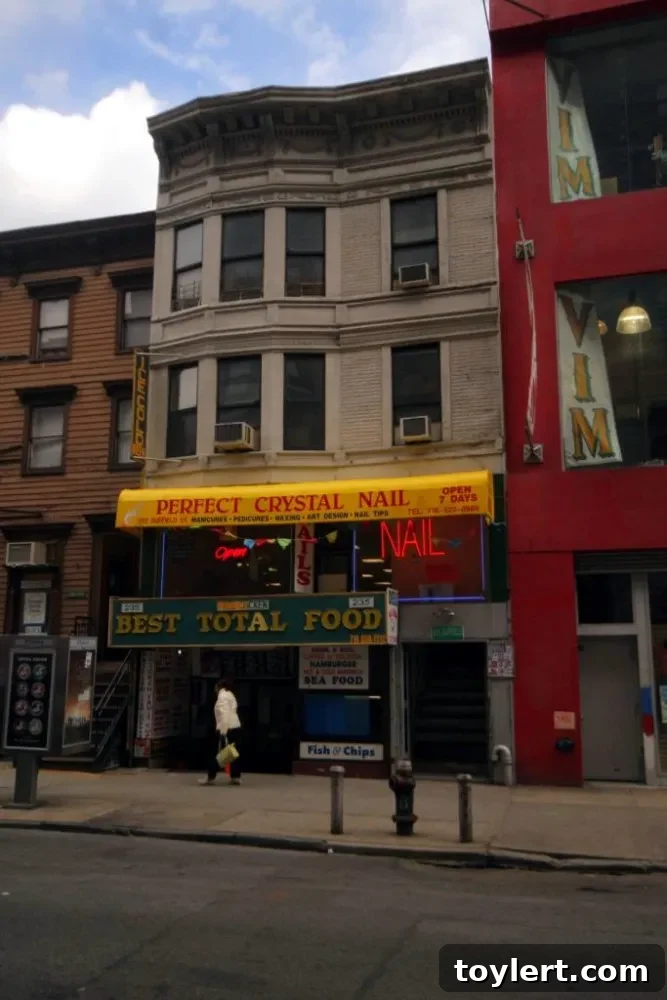
Unveiling 235 Duffield Street: A Glimpse into Downtown Brooklyn’s Architectural Heritage
Brooklyn, one building at a time. This philosophy encapsulates the very essence of understanding a borough as dynamic and historically rich as Brooklyn. Each brick, every window, and the stoop of every building holds a narrative, a whisper from generations past. Today, we turn our gaze to a particularly noteworthy structure: 235 Duffield Street, a quintessential row house nestled in the bustling heart of Downtown Brooklyn. This address isn’t just a location; it’s a testament to Brooklyn’s evolving urban landscape, representing both its enduring architectural legacy and its vibrant contemporary life.
Name: Row house
The Enduring Legacy of Brooklyn Row Houses
To truly appreciate 235 Duffield Street, one must first understand the profound significance of the “row house” in Brooklyn’s urban fabric. These structures are more than just homes; they are the bedrock of the borough’s distinctive character, shaping its streets and defining its neighborhoods. Born out of the rapid urbanization of the 19th century, row houses offered a practical and aesthetically pleasing solution to housing the burgeoning middle class. They represented a blend of efficient land use and elegant design, providing individual homes with shared walls, creating a continuous, harmonious streetscape.
Across Brooklyn, row houses showcase a magnificent array of architectural styles, each reflecting the popular tastes and construction methods of its era. From the clean lines of Federal and Greek Revival designs to the elaborate details of Italianate, Neo-Grec, and Queen Anne styles, these buildings are living museums of architectural evolution. Many of Brooklyn’s most cherished row houses, like the one at 235 Duffield Street, are adorned with the distinctive brownstone facade, a reddish-brown sandstone that became synonymous with the borough’s most desirable residential areas. This material not only offered durability but also lent an air of sophistication and timeless charm that continues to captivate residents and visitors alike.
The enduring appeal of the row house lies not only in its architectural beauty but also in its ability to foster a sense of community. Their uniform setbacks, grand stoops, and shared party walls encourage interaction and connectivity among neighbors, contributing to the tight-knit feel characteristic of many Brooklyn blocks. These buildings are silent observers of history, witnessing countless stories unfold within their walls and along their tree-lined streets.
235 Duffield Street: A Jewel in Downtown Brooklyn’s Crown
Architectural Details and Brownstone Charm
Standing proudly at 235 Duffield Street, this specific row house embodies many of the classic characteristics that make these buildings so beloved. While specific historical records might be extensive, its designation as a “row house” immediately conjures images of a multi-story structure, likely featuring a distinguished stoop leading to its main entrance. The facade, if typical of its period in Downtown Brooklyn, would likely be constructed from brick or, more famously, brownstone, exuding a warm, inviting hue that shifts with the changing light. Details such as intricate cornices, decorative lintels above windows, and perhaps an ornate entryway speak to the craftsmanship and aesthetic sensibilities of the era in which it was built.
Inside, one would expect to find a layout characteristic of row houses – often deep and narrow, maximizing vertical space. High ceilings, original hardwood floors, fireplaces, and plaster moldings might still adorn its interior, offering glimpses into its past grandeur. Such architectural elements are not merely decorative; they are integral components of the building’s identity, contributing to its unique character and historical value. The robust construction techniques used in these older buildings ensure their longevity, allowing them to adapt and thrive through centuries of change.
A Historical Footprint in a Dynamic Neighborhood
The location of 235 Duffield Street within Downtown Brooklyn is particularly significant. Once primarily a residential district, Downtown Brooklyn has undergone a dramatic transformation over the past several decades, evolving into a vibrant hub of commerce, education, and culture. It is a place where towering modern skyscrapers now stand alongside venerable historic structures, creating a compelling juxtaposition of old and new. This row house, therefore, represents a vital anchor to the neighborhood’s past, a tangible link to a time before its dramatic high-rise development.
The street itself, Duffield Street, holds a place in local history, often recognized for its unique blend of commercial activity and historical significance. Its proximity to major transportation hubs, iconic landmarks like Borough Hall, and cultural institutions makes it a highly desirable and strategic location. For a row house like 235 Duffield Street to remain intact and cherished in such a rapidly developing area underscores its architectural resilience and the community’s commitment to preserving its heritage. It serves as a reminder that even amidst progress, the roots of Brooklyn’s identity remain firmly planted in its historical foundations.
Bridging Past and Present: ‘Hair Innovation’ at 235 Duffield
The mention of “Hair Innovation” in connection with 235 Duffield Street provides a fascinating contemporary layer to its narrative. This suggests that, like many historic buildings in Brooklyn, this row house has found a new purpose, adapting to the demands of modern urban life while retaining its architectural integrity. The concept of “adaptive reuse” is crucial in urban preservation; it allows historically significant structures to remain relevant and economically viable by housing new businesses, residences, or cultural institutions.
A “Hair Innovation” establishment occupying part of this historic building exemplifies how Brooklyn seamlessly blends its past with its present. Imagine a salon where the latest styles and techniques are perfected within walls that have witnessed over a century of urban evolution. This fusion creates a unique atmosphere, offering customers an experience that transcends a typical commercial transaction. It’s a place where history breathes alongside contemporary trends, making the ordinary extraordinary. This kind of integration ensures that buildings like 235 Duffield Street continue to contribute actively to the street life and economic vitality of Downtown Brooklyn, preventing them from becoming mere static relics.
Such businesses often become integral parts of the neighborhood, providing essential services and contributing to the local character. The presence of a thriving modern business within a historic shell highlights the versatility of these structures and their capacity to evolve without losing their soul. It demonstrates a harmonious relationship between commercial enterprise and architectural conservation, a model that Brooklyn has embraced wholeheartedly.
Brooklyn, One Building at a Time: The Philosophy of Preservation
The phrase “Brooklyn, one building at a time” is more than just a catchy slogan; it’s a powerful philosophy that underpins the borough’s approach to its architectural and cultural heritage. It speaks to the recognition that each individual structure, regardless of its grandeur, plays a crucial role in constructing the larger tapestry of Brooklyn’s story. Preserving buildings like 235 Duffield Street is not just about nostalgia; it’s about safeguarding tangible links to the past, ensuring that future generations can understand and appreciate the journey that shaped their city.
The benefits of this preservation philosophy are manifold:
- Historical Continuity: Each preserved building serves as a chapter in Brooklyn’s ongoing historical narrative, providing context and depth to its present.
- Architectural Diversity: Maintaining older structures ensures a rich and varied urban landscape, preventing the monotony that can arise from uniform modern development.
- Community Identity: Historic buildings often become beloved landmarks, fostering a sense of pride and belonging among residents and contributing to the unique character of their neighborhoods.
- Sustainable Development: Reusing existing buildings is often more environmentally friendly than new construction, reducing waste and the consumption of new resources.
- Economic Value: Preserved historic districts and buildings attract tourism, businesses, and residents who value unique aesthetics and cultural richness, often leading to increased property values and local investment.
By focusing on individual buildings, Brooklyn ensures that its development is thoughtful, respectful of its past, and enriching for its future. It acknowledges that a city’s soul resides not just in its grand monuments but also in its everyday structures, like the humble yet significant row house at 235 Duffield Street.
Experiencing Brooklyn’s Story Through Its Streets
In conclusion, 235 Duffield Street stands as a compelling example of Brooklyn’s rich architectural heritage and its ongoing evolution. From its identity as a classic row house to its contemporary role in Downtown Brooklyn’s vibrant scene, this building encapsulates the spirit of a borough that constantly reinvents itself while holding fast to its roots. It invites us to pause, look beyond the facade, and appreciate the stories etched into its very being. As you stroll through the historic streets of Brooklyn, take a moment to look closely at each building. You’ll find that, indeed, every single structure contributes to the magnificent, unfolding narrative of this extraordinary place. Through structures like 235 Duffield Street, we don’t just see history; we experience it, one beautifully preserved building at a time.