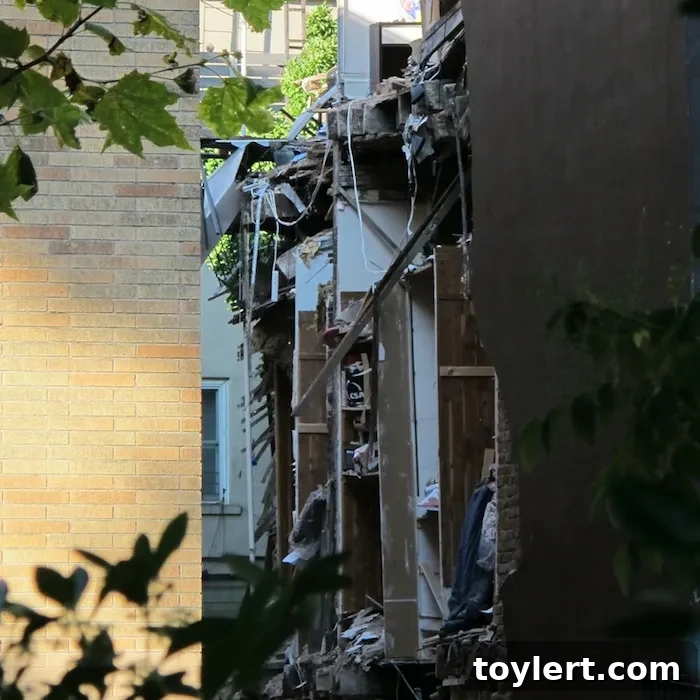
Rebirth on Carroll Street: A New Brownstone Rises in Historic Carroll Gardens
Carroll Gardens, a jewel in Brooklyn’s crown, is a neighborhood renowned for its tree-lined streets, charming community spirit, and, most notably, its iconic brownstone architecture. These classic townhouses define the area’s visual character and are deeply intertwined with its historical identity. It is within this cherished context that the story of 241 Carroll Street unfolds – a narrative of unexpected collapse, community resilience, and a promising architectural rebirth that seeks to honor the past while embracing the future. This article delves into the meticulous plans and ongoing construction of a new brownstone townhouse, designed not just to replace what was lost, but to seamlessly re-establish a vital piece of the neighborhood’s fabric.
The Day the Earth Stood Still: The 2012 Collapse
The morning of July 2012 brought an unwelcome shock to the tranquil streets of Carroll Gardens. The side of the elegant brownstone located at 241 Carroll Street unexpectedly crumbled, leaving a gaping void where a solid structure once stood. This dramatic collapse sent ripples of concern and disbelief through the close-knit community. Such an incident in a historic neighborhood is not merely a matter of property damage; it strikes at the very heart of the area’s perceived stability and architectural heritage. The suddenness of the event left residents contemplating the integrity of their beloved century-old buildings.
Fortunately, tragedy was narrowly averted. The owners, Howard Schneider and his family, were out of town when the structural failure occurred in the dead of night. This stroke of luck proved critical, as reports indicated that the children’s bedrooms were situated directly within what was later grimly termed the “kill zone” – the area most severely impacted by the collapse. The absence of occupants meant that miraculously, no one was hurt in the incident, turning a potential catastrophe into a stark reminder of the unpredictable forces that can impact urban living. While the immediate danger passed, the emotional toll on the Schneider family and the community at large was undeniable. The sense of vulnerability lingered, underscoring the profound impact such events have beyond mere structural damage.
A Vision for the Future: Blending Tradition with Modern Strength
In the wake of the collapse, the path forward for 241 Carroll Street was clear: to rebuild. However, this was not merely about constructing a new building; it was about meticulously crafting a structure that would not only be safe and durable but also aesthetically harmonious with its historic surroundings. Developer Gino Vitale, taking on this significant project, articulated a clear vision: “The new building will have a brownstone facade, a full stoop, and will blend in with the rest of the block.” This statement encapsulates the commitment to architectural integrity and respect for Carroll Gardens’ unique character.
The choice of a brownstone facade is paramount. Brownstones are more than just buildings; they are cultural touchstones of Brooklyn. Their distinct reddish-brown sandstone, often adorned with intricate details, evokes a sense of timeless elegance and historical continuity. Replicating this aesthetic ensures that the new townhouse does not stand out as an anachronism but rather seamlessly re-integrates into the streetscape, preserving the visual rhythm of Carroll Street. Coupled with a “full stoop,” a quintessential feature of traditional Brooklyn townhouses, the new design pays homage to the architectural language that has defined the neighborhood for generations. These stoops are not just entryways; they are social hubs, extensions of the home that foster community interaction and define the street-level experience.
Beyond the surface aesthetics, the structural core of the new building represents a significant leap forward in safety and engineering. While the exterior will echo historical charm, the underlying construction will leverage modern technology and materials. The entire structure is being built with concrete and steel – a testament to a commitment to longevity and safety. This robust framework provides unparalleled strength and stability, ensuring that the new 241 Carroll Street will stand resilient for centuries to come, preventing a recurrence of the 2012 incident. This blend of traditional facade materials with contemporary structural elements is a sophisticated approach, offering the best of both worlds: historic appeal coupled with twenty-first-century engineering excellence.
Furthermore, the design incorporates thoughtful modern amenities that cater to contemporary lifestyles while maintaining the classic townhouse feel. Each floor of the new residence will feature a private balcony at the rear. These outdoor spaces offer residents a serene retreat, providing natural light, fresh air, and intimate views of the surrounding neighborhood, enhancing the quality of urban living. This inclusion demonstrates a nuanced understanding of modern demands within a historic context, proving that a building can be both historically sensitive and functionally progressive.
Carroll Gardens: A Legacy of Charm and Community
To fully appreciate the significance of the rebuilding effort at 241 Carroll Street, it is essential to understand the essence of Carroll Gardens itself. Nestled in the northwestern part of Brooklyn, Carroll Gardens is celebrated for its distinctive architectural heritage, particularly its abundance of Italianate brownstone and brick row houses. Unlike many rapidly gentrifying areas, Carroll Gardens has managed to retain much of its original charm and a strong sense of community. The neighborhood is characterized by its deep front gardens, a unique feature that sets it apart from other Brooklyn enclaves and gives the area its name. These lush green spaces contribute significantly to the aesthetic appeal and tranquil atmosphere, providing a buffer between the street and residential homes.
The community’s dedication to preserving its historic character is palpable. Residents and local preservation groups actively work to maintain the integrity of its architectural treasures, ensuring that new developments or renovations align with the established aesthetic. This commitment means that any new construction, especially one replacing a collapsed historic structure, carries a significant responsibility. The expectation is not merely to construct a building but to meticulously craft a seamless addition that respects and enhances the existing urban fabric. The replacement of the brownstone on Carroll Street, therefore, is more than just a real estate project; it is an act of communal restoration and a reaffirmation of the neighborhood’s values.
The area’s desirability stems not only from its beautiful homes but also from its vibrant local businesses, excellent schools, and proximity to cultural attractions and Manhattan. The stability of its housing stock, largely composed of these enduring brownstones, contributes to a strong sense of permanence and investment. A collapse, while isolated, can momentarily disrupt this sense of security. Thus, the careful and considered rebuilding process at 241 Carroll Street plays a crucial role in reassuring the community and reinforcing the enduring appeal of Carroll Gardens as a place to live, thrive, and invest.
The Road Ahead: Construction, Anticipation, and Healing
Construction on the new townhouse commenced approximately a month prior to the original report, signaling a definitive step forward from the unfortunate past. The project is ambitious, with an estimated completion timeline of six to eight months. This schedule suggests a methodical approach, acknowledging the complexities involved in building a structure of this nature in a dense urban environment, especially one that must meet stringent modern safety standards while adhering to traditional aesthetic requirements.
The construction phase represents more than just the physical erection of walls and roofs; it symbolizes a period of healing and renewal for the Schneider family and the broader Carroll Gardens community. While the physical structure will soon be complete, the emotional journey for the owners continues. Howard Schneider openly shared that he and his family remain “shaken by the collapse” and are “not sure they want to live in the building.” This sentiment underscores the deep psychological impact of such an event, even in the absence of physical harm. A home is more than just a building; it is a sanctuary, a place of safety and comfort. When that sense of security is fundamentally breached, rebuilding trust and reclaiming peace of mind can be a long and challenging process.
As the new brownstone takes shape, it will undoubtedly become a focal point of anticipation for the neighborhood. Its successful completion will not only restore a vital architectural presence on Carroll Street but also serve as a powerful testament to the resilience of urban communities. It embodies the ability to overcome adversity, to learn from past incidents, and to innovate while preserving the cherished elements of our built environment. The new 241 Carroll Street will stand as a symbol of architectural excellence, structural integrity, and the enduring spirit of Carroll Gardens, ready to welcome a new chapter for its residents and contribute to the rich tapestry of this historic Brooklyn neighborhood for decades to come.