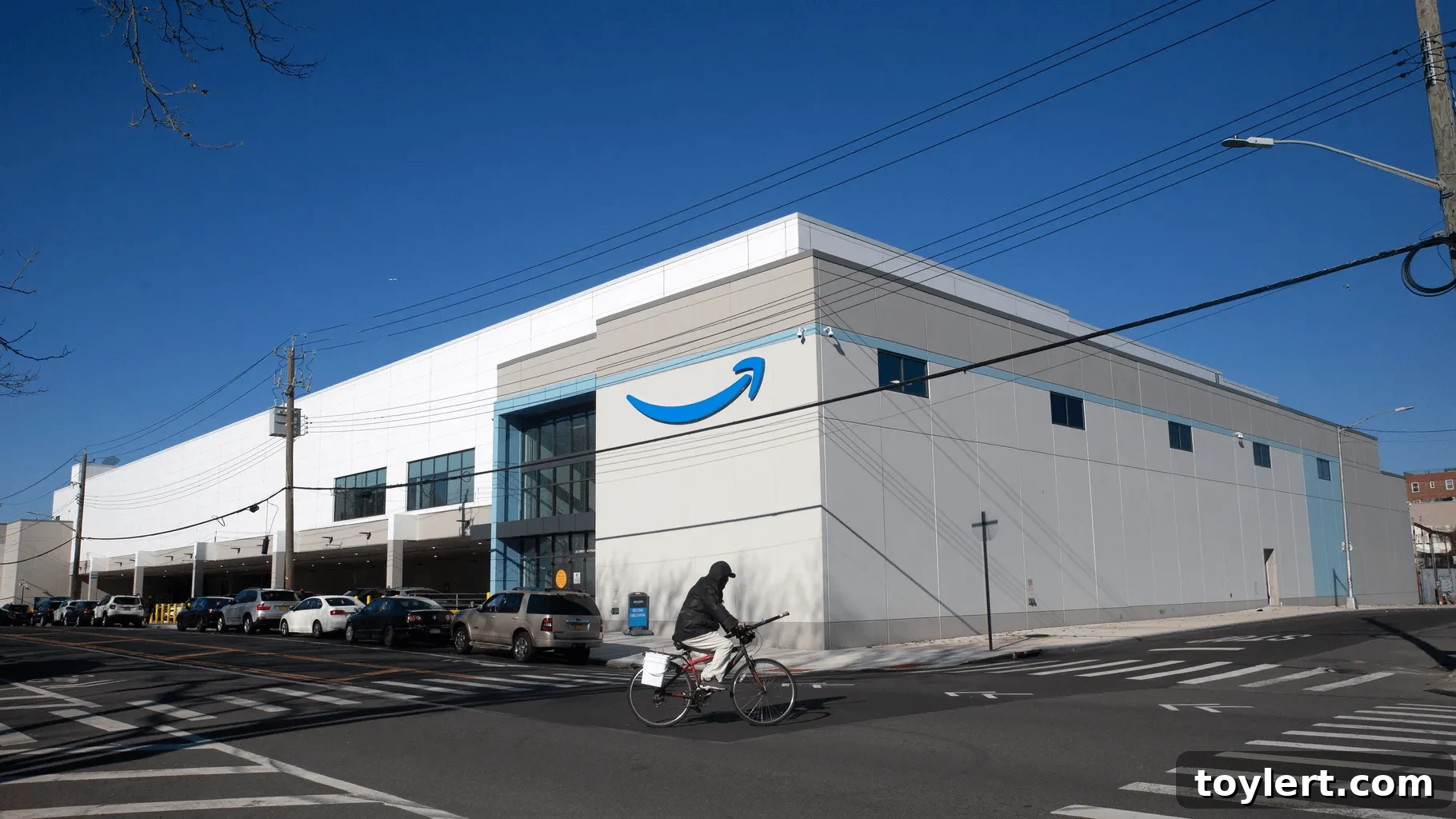

The E-commerce Surge: Navigating the Impact of Last-Mile Warehouses on New York City
New York City, a global hub of commerce and culture, is grappling with a rapidly evolving challenge: the proliferation of “last-mile” e-commerce warehouses. As companies like Amazon, FedEx, and UPS race to deliver goods to urban consumers faster than ever before, the city’s landscape, traffic infrastructure, and environmental quality are undergoing significant transformations. This article delves into the multifaceted impacts of this e-commerce expansion, exploring its effects on traffic congestion, air quality, local communities, and the urgent need for sustainable urban planning. Drawing insights from reports, including original coverage by THE CITY, this comprehensive analysis highlights the complex interplay between economic growth and environmental stewardship in one of the world’s busiest metropolises.
The Rise of Last-Mile Delivery in NYC
The digital age has fundamentally reshaped consumer expectations. What was once a luxury is now a standard: immediate gratification through rapid delivery. This demand has fueled the growth of “last-mile” logistics—the final leg of the delivery journey, from a distribution center to the customer’s doorstep. To meet the promise of same-day or next-day delivery, e-commerce giants require warehouses strategically located within or on the immediate periphery of dense urban areas. New York City, with its millions of residents and thriving online shopping culture, has become a prime target for these logistical hubs.
Companies like Amazon, with its extensive network of fulfillment centers, and established carriers such as FedEx and UPS, are aggressively acquiring and developing properties across the five boroughs. These facilities, often repurposed industrial sites or newly constructed buildings, are designed for high-volume throughput, where goods arrive on large trucks, are sorted, and then dispatched on smaller vans for final delivery. While this system offers unparalleled convenience to consumers, it introduces a cascade of challenges for urban environments already straining under existing pressures.
Traffic Congestion: A Growing Gridlock
One of the most immediate and visible consequences of the last-mile warehouse boom is the dramatic increase in traffic congestion. Each new warehouse translates into hundreds, if not thousands, of additional delivery vans and trucks navigating New York City’s already crowded streets daily. This surge in commercial vehicle traffic exacerbates existing problems, leading to:
- Increased Travel Times: More vehicles vying for limited road space means slower commutes for all road users, impacting personal travel, public transit, and emergency services.
- Parking Challenges: Delivery drivers frequently double-park or block lanes in an attempt to quickly deliver packages, further obstructing traffic flow and creating hazards. Residential streets, not designed for commercial vehicle parking, bear a significant burden.
- Infrastructure Strain: The constant passage of heavy delivery trucks contributes to accelerated wear and tear on roads and bridges, necessitating more frequent and costly repairs.
- Pedestrian and Cyclist Safety: A higher volume of large vehicles in pedestrian-heavy areas increases the risk of accidents and makes city streets less safe for vulnerable road users.
Neighborhoods near these last-mile facilities, such as those in Brooklyn’s Red Hook and Sunset Park, experience the brunt of this congestion. Local residents often report blockaded streets, incessant honking, and a general decline in the tranquility of their communities, transforming residential thoroughfares into bustling logistical arteries.
Environmental and Public Health Impacts
Beyond traffic snarls, the expanded network of e-commerce warehouses presents significant environmental and public health concerns. The overwhelming majority of delivery vehicles currently run on fossil fuels, primarily diesel, which release harmful pollutants into the atmosphere. This environmental burden disproportionately affects communities located near these warehouses, which are often historically industrial zones with existing pollution challenges and a higher concentration of low-income and minority residents. These communities frequently become environmental justice hotspots.
Key environmental impacts include:
- Air Pollution: Diesel exhaust contains fine particulate matter, nitrogen oxides (NOx), and other toxins known to cause or exacerbate respiratory illnesses like asthma, bronchitis, and other lung diseases. Children and the elderly are particularly vulnerable.
- Noise Pollution: The constant hum of idling engines, the movement of trucks, and the sounds of loading and unloading operations contribute to elevated noise levels, disrupting peace, sleep, and overall quality of life for nearby residents.
- Greenhouse Gas Emissions: Increased fuel consumption by a vast fleet of delivery vehicles directly contributes to carbon emissions, accelerating climate change and undermining NYC’s ambitious climate goals.
- Waste Generation: The sheer volume of packaging materials associated with e-commerce deliveries adds to the city’s waste stream, challenging existing recycling and waste management infrastructure.
The health disparities linked to these environmental factors are stark. Communities living adjacent to logistics hubs often exhibit higher rates of asthma and other chronic diseases, underscoring the urgent need for more equitable and sustainable solutions.
Community Concerns and the Fight for Equitable Development
The establishment of last-mile warehouses isn’t just an economic or logistical issue; it’s a social justice issue. Communities like Red Hook and Sunset Park in Brooklyn, already facing historical environmental burdens, are experiencing increased pressure. Residents and local advocacy groups are raising their voices, demanding greater accountability from e-commerce companies and more proactive intervention from city planners. Their concerns go beyond traffic and pollution:
- Loss of Community Character: The conversion of industrial spaces into high-volume delivery centers can alter the very fabric of neighborhoods, prioritizing commercial activity over residential well-being.
- Lack of Transparency: Often, new warehouse developments proceed without adequate community engagement or environmental impact reviews, leaving residents feeling unheard and overlooked.
- Job Quality: While these facilities create jobs, there are often concerns about the quality of employment, including wages, benefits, and working conditions for warehouse staff and delivery drivers.
- Displacement: The rising demand for industrial real estate can drive up property values, potentially displacing smaller local businesses or even contributing to gentrification pressures.
These communities are calling for comprehensive environmental impact assessments that genuinely consider cumulative impacts, stricter zoning regulations, and community benefit agreements that ensure residents share in the economic upside while mitigating negative externalities.
Seeking Sustainable Solutions and Regulatory Oversight
Addressing the complex challenges posed by e-commerce logistics requires a multi-pronged approach involving government, industry, and communities. New York City has an opportunity to lead in developing innovative and sustainable urban logistics solutions.
Potential strategies include:
- Promoting Electric Vehicles (EVs): Incentivizing and mandating the transition to electric delivery vehicles can significantly reduce air and noise pollution. This requires a robust build-out of charging infrastructure across the city.
- Micro-hubs and Cargo Bikes: Developing smaller, decentralized micro-hubs within neighborhoods that feed deliveries to cargo bikes or electric scooters for the final leg can reduce reliance on large vans in dense areas.
- Off-Hour Deliveries: Exploring options for deliveries during off-peak hours could alleviate daytime traffic congestion, though this might introduce new challenges for noise in residential areas.
- Enhanced Public Transportation for Goods: Investigating the potential use of existing public transit infrastructure, such as subways or ferries, for goods movement where feasible, could reduce truck traffic.
- Strict Zoning and Environmental Review: Implementing updated zoning ordinances that specifically address last-mile facilities, requiring thorough environmental impact statements, and ensuring meaningful community engagement before approval.
- Consolidated Deliveries: Encouraging or mandating shared logistics platforms where multiple companies can use the same delivery vehicles or routes could reduce overall vehicle miles traveled.
- Data-Driven Traffic Management: Utilizing smart city technologies and data analytics to optimize delivery routes and manage traffic flow more efficiently.
- Advocacy and Policy Development: Continued pressure from advocacy groups and proactive policymaking from city officials are crucial to ensuring that the growth of e-commerce benefits all New Yorkers, not just consumers and corporations.
The Path Forward for New York City
The rapid expansion of e-commerce and its accompanying logistical infrastructure is an undeniable force shaping modern urban life. While offering convenience and economic activity, the concentration of last-mile warehouses in New York City demands careful consideration and strategic intervention. The city stands at a critical juncture, needing to balance the demands of a global digital economy with the health, safety, and quality of life for its residents. By embracing sustainable logistics solutions, implementing robust regulatory frameworks, and empowering local communities, New York City can mitigate the negative impacts of this trend and foster a more equitable, livable, and environmentally responsible future. The challenge is significant, but with collaborative effort, the promise of a more sustainable urban delivery system can be realized.