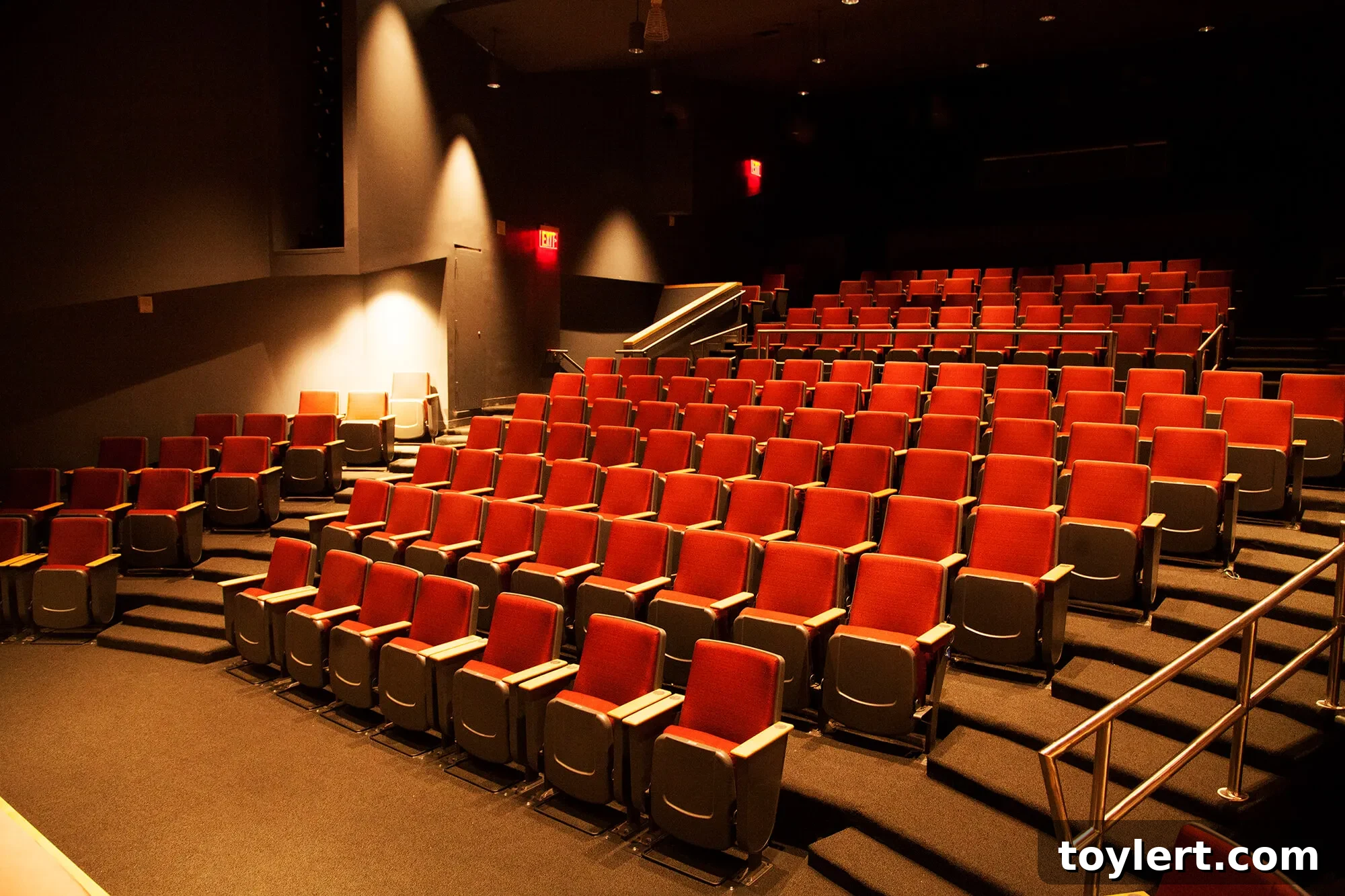
The Enduring Legacy of The Billie Holiday Theatre: A Beacon of Black Culture in Bed-Stuy
The Billie Holiday Theatre, affectionately known as “The Billie,” stands as a monumental cultural cornerstone within the heart of Brooklyn’s Bed-Stuy neighborhood. Its inception in May 1972 marked a pivotal moment for African American arts and community empowerment. More than just a stage, The Billie was envisioned and brought to life by a true polymath and visionary, Herbert Scott-Gibson, whose impact transcended the performing arts to shape the very fabric of New York City’s cultural landscape.
Herbert Scott-Gibson: A Renaissance Man with a Transformative Vision
Herbert Scott-Gibson, the revered founder of the Billie Holiday Theatre, was, by all accounts, the living embodiment of a Renaissance man. His intellectual curiosity, profound artistic talents, and unwavering commitment to community development painted a portrait of a leader far ahead of his time. Dr. Indira Etwaroo, who has served as the theatre’s director since 2015, eloquently captures his essence: “He was a visionary, he spoke six languages, he sang opera.” This description only scratches the surface of a man whose influence extended into urban planning and historical preservation, most notably by leading the charge to establish the Fort Greene Historic District. His multifaceted talents and civic engagement underscore a deep-seated belief in the power of culture and history to uplift and unite.
Scott-Gibson’s most profound insight, however, lay in his understanding of community. He recognized that for African Americans, a dedicated space was not merely a luxury but a necessity – a sanctuary where their stories could be told, their beauty affirmed, and their rich cultural legacy celebrated. Dr. Etwaroo further elaborates on this foundational philosophy: “He was an African-American gentleman who understood that if a community had a place to come together, to hear their stories and see themselves on stage — a place that affirmed of their beauty, history, and cultural legacy — how transformative that could be for a community.” This vision transcended typical theatrical aspirations; it was about fostering identity, nurturing pride, and empowering a community through authentic representation. His foresight ensured that The Billie would not just host performances, but would actively cultivate and reflect the vibrant spirit of the African Diaspora.
The Birth of “The Billie”: A Cultural Hub in Restoration Plaza
The Billie Holiday Theatre officially opened its doors in May 1972, strategically located in Bed-Stuy at the bustling corner of Fulton Street and Marcy Avenue. Its placement within the neighborhood’s significant Restoration Plaza was no coincidence. Restoration Plaza itself was a groundbreaking urban development initiative designed to serve as a comprehensive hub for community services, economic development, and cultural enrichment. Embedding The Billie within this larger ecosystem underscored its role not just as an entertainment venue, but as an integral part of Bed-Stuy’s revitalization and self-determination efforts during a period of profound social and political change.
At its core, The Billie was conceived to be a dynamic center for theatrical development and performance. Its primary mission was to support and amplify the immense artistic talent inherent within one of the largest Black communities in the United States. Before The Billie, opportunities for Black playwrights, actors, directors, and production crews to showcase their work in a dedicated, professionally supported environment were scarce. The theatre filled this critical void, offering a platform where authentic Black narratives could flourish, diverse voices could be heard, and emerging artists could hone their craft. This commitment to nurturing local talent and presenting relevant stories resonated deeply with the community, quickly establishing The Billie as a cherished institution.
Restoration Plaza: A Foundation for Community Resilience
The context of Restoration Plaza is crucial to understanding The Billie’s enduring success. In the mid-20th century, many urban Black communities faced significant challenges, including disinvestment and cultural marginalization. Restoration Plaza emerged as a powerful response, conceived by community leaders to create a self-sustaining infrastructure that addressed these issues head-on. It housed businesses, health services, and educational programs alongside cultural institutions like The Billie Holiday Theatre. This holistic approach recognized that true community empowerment required more than just art; it needed economic stability, health equity, and educational opportunities, all of which were intertwined with a strong cultural identity.
For The Billie, being part of Restoration Plaza meant more than just having a physical address; it meant being embedded in a philosophy of collective upliftment. The theatre benefited from the synergy of co-located services, attracting a diverse audience and robust community engagement. It symbolized a community taking ownership of its destiny, building its own institutions, and creating spaces where its people could thrive culturally, socially, and economically. This integrated approach helped solidify The Billie’s role as a nexus of community life, not just for residents of Bed-Stuy but for the wider Brooklyn and New York City African American population.
A Stage for Identity, Affirmation, and Artistic Excellence
From its opening day, The Billie Holiday Theatre has been unwavering in its commitment to showcasing the richness and complexity of the African American experience. It became a crucible for Black artistry, providing a space where playwrights like Ntozake Shange, Samm-Art Williams, and others could develop and present groundbreaking works that spoke directly to the lives, struggles, and triumphs of Black people. The theatre’s stage has hosted countless performances that not only entertained but also provoked thought, sparked dialogue, and affirmed the dignity and resilience of its audience.
The impact of seeing oneself reflected authentically on stage cannot be overstated. For generations of Black Americans, The Billie has been a mirror, reflecting their history, culture, and aspirations with honesty and depth. This affirmation fosters a strong sense of identity and belonging, especially for younger generations who might otherwise struggle to find positive representations in mainstream media. Beyond merely reflecting, The Billie actively shapes cultural narratives, challenging stereotypes and offering nuanced portrayals that celebrate Black joy, love, ambition, and intellectual prowess. It is a place where every story told, every song sung, and every dance performed is a testament to the enduring power and beauty of Black cultural legacy.
Nurturing Talent and Shaping Careers
The Billie’s role extends far beyond presenting established works; it has been a vital incubator for new talent. Many actors, directors, and writers who have gone on to achieve national and international acclaim received early opportunities and mentorship at The Billie. The theatre provides a supportive environment for artists to experiment, take risks, and develop their craft. This commitment to artistic development ensures a continuous pipeline of talent and fresh voices, enriching the broader theatrical landscape. Workshops, youth programs, and community outreach initiatives further solidify its role in cultivating the next generation of performers and cultural leaders, ensuring that the legacy of Black theatre continues to thrive.
Transforming a Community Through the Arts
The “transformative” power of the Billie Holiday Theatre, as Dr. Etwaroo noted, is multi-layered. On an individual level, attending performances at The Billie can be a deeply personal and enriching experience, fostering empathy, critical thinking, and a stronger connection to one’s heritage. For artists, it provides not just a stage but a platform for professional growth and a sense of purpose. Collectively, the theatre acts as a social glue, bringing people together from different walks of life, sparking conversations, and strengthening community bonds.
Economically, The Billie also contributes to the vitality of Bed-Stuy. As a cultural destination, it draws visitors to the area, supporting local businesses such as restaurants, shops, and other service providers. The theatre itself is an employer, providing jobs for artists, administrators, technical staff, and many others. This economic ripple effect further entrenches The Billie as an invaluable asset to the neighborhood’s overall prosperity and stability, demonstrating how cultural investment can be a powerful engine for community development.
The Enduring Legacy and Future of The Billie
Over five decades since its founding, the Billie Holiday Theatre remains a vibrant and essential institution. It has weathered various economic shifts and cultural trends, continually adapting while staying true to its core mission. Its programming continues to be diverse and relevant, encompassing classical works, contemporary dramas, musical performances, and community-focused events. The theatre’s resilience is a testament to the profound need it fills within the community and the unwavering dedication of its leadership, staff, and supporters.
The legacy of Herbert Scott-Gibson and the vision he imparted continue to guide The Billie. It serves as a powerful reminder of how one individual’s vision, coupled with community resolve, can create enduring institutions that not only celebrate culture but also foster profound social change. In an ever-evolving world, The Billie Holiday Theatre stands firm as a cultural anchor, a beacon of artistic excellence, and a vital sanctuary for the stories, heritage, and aspirations of the Black community. Its future promises continued innovation, artistic brilliance, and a steadfast commitment to its foundational principles, ensuring that the transformative power of its stage continues to resonate for generations to come, enriching Bed-Stuy, Brooklyn, and the broader cultural landscape.