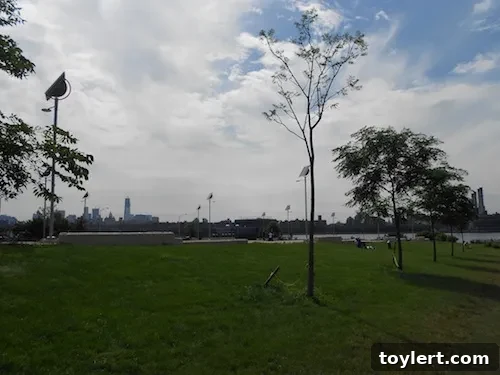
Brooklyn’s Dynamic Landscape: A Snapshot of Community, Culture, and Growth
Brooklyn, a borough renowned for its distinctive neighborhoods, vibrant community spirit, and relentless pace of change, continues to evolve at an exhilarating speed. From bustling street festivals and critical urban development projects to emerging culinary hot spots and crucial social initiatives, life in Brooklyn is a rich tapestry of experiences. This exploration dives into various facets of the borough’s ongoing transformation, highlighting key developments and the resilient communities that define its unique character.
As a hub of both established tradition and innovative progress, Brooklyn consistently offers a compelling narrative of urban living. Our journey through its recent events and significant trends provides a window into the daily life and future trajectory of this iconic New York City borough.
Embracing Summer: Public Pools and Outdoor Recreation
As temperatures rise, New Yorkers eagerly seek refreshing escapes, and the city’s public pools become essential havens for recreation and community gathering. A comprehensive guide like the “Take a Dip: City Pool Guide” from Brooklyn Based is an invaluable resource for residents looking to cool off and enjoy the summer months. These public amenities are more than just swimming facilities; they serve as vital social hubs, offering accessible recreation for families, children, and individuals across all demographics. From Olympic-sized pools to smaller, more intimate settings, the city’s aquatic centers provide a much-needed respite from the urban heat, fostering both physical activity and community bonding.
The availability and quality of public pools reflect a city’s commitment to its residents’ well-being and access to recreational opportunities. In a densely populated borough like Brooklyn, these spaces are particularly important, offering a democratic way for everyone to enjoy the warmer seasons. They underscore the importance of well-maintained public infrastructure in enhancing the overall quality of urban life.
Cultural Rhythms: Music, Arts, and Neighborhood Festivities
Brooklyn’s cultural scene is perpetually vibrant, marked by a rich array of musical performances and artistic expressions that animate its diverse neighborhoods. The “2012 Cobble Hill Concert Series,” hosted by the Cobble Hill Association, exemplifies the borough’s dedication to local arts. Such community-driven events are fundamental in cultivating neighborhood identity and providing platforms for local talent. These series often transform local parks and public squares into lively concert venues, drawing residents together for evenings of shared enjoyment and cultural appreciation. They highlight the power of music to unite communities and celebrate local heritage, contributing significantly to the borough’s vibrant cultural fabric.
Beyond specific neighborhood events, broader citywide initiatives further amplify Brooklyn’s musical pulse. “Make Music New York,” an annual celebration that turns public spaces into impromptu stages, demonstrates this spirit on a grander scale. With events often taking place on bustling thoroughfares like Myrtle Avenue, the festival encourages participation from musicians of all levels and genres, offering free performances to the public. This unique initiative fosters a sense of collective celebration, making music accessible to everyone and transforming the urban soundscape for a day. It’s a testament to New York City’s commitment to arts and culture, allowing both established and emerging artists to share their craft with a diverse audience.
Navigating Brooklyn’s Dynamic Real Estate Market
Brooklyn’s real estate market remains one of the most competitive and closely watched in the nation. The borough’s unique charm, strong communities, and proximity to Manhattan consistently drive demand, leading to intriguing market dynamics. A Curbed report titled “Two $600,000 ProCro Places In a Battle to the Death” perfectly encapsulates the intense competition for properties, particularly in highly coveted areas like Prospect Heights and Crown Heights (affectionately known as “ProCro”). This “battle to the death” scenario refers to the fierce bidding wars and rapid sales that characterize the market, where buyers often face significant pressure to secure a desirable home. The $600,000 price point, while seemingly substantial, reflects the high value placed on homes within these vibrant, amenity-rich neighborhoods.
The sustained interest in areas such as Prospect Heights, with its historic architecture, leafy streets, and cultural institutions like the Brooklyn Museum and Botanic Garden, coupled with Crown Heights’ burgeoning dining scene and community initiatives, creates a seller’s market where properties rarely linger. This intense competition is a clear indicator of the desirability of these Brooklyn enclaves, despite the challenges it presents for prospective homeowners navigating escalating prices and limited inventory. Understanding these trends is crucial for anyone looking to invest or reside in Brooklyn’s ever-evolving real estate landscape.
Social Impact: Child Care and Community Support
Beyond its cultural and economic dynamism, Brooklyn also grapples with significant social challenges, particularly concerning community welfare and support systems. A critical issue highlighted by a Bed-Stuy Patch article, “Report Says Child Care Cuts Will Hurt Needy Communities,” brings into sharp focus the vital role of affordable childcare. Such reports often underscore how reductions in funding for childcare services disproportionately affect low-income families and working parents, creating significant barriers to employment and economic stability. Access to quality, affordable childcare is not merely a convenience; it is a fundamental pillar supporting the socio-economic well-being of entire communities.
For neighborhoods like Bed-Stuy, which have historically faced socio-economic disparities, the impact of childcare cuts can be particularly devastating. It jeopardizes children’s early development and learning opportunities while placing immense strain on families already struggling to make ends meet. Advocacy groups and community organizations frequently campaign against such cuts, emphasizing the long-term societal benefits of investing in robust childcare programs. These efforts highlight a continuous commitment to social justice and the collective responsibility to protect and empower the most vulnerable members of Brooklyn’s diverse communities, ensuring a more equitable future for all residents.
Brooklyn’s Culinary Evolution: New Dining Destinations
Brooklyn has long cemented its reputation as a global culinary hotspot, a place where innovative chefs and diverse cuisines converge to create an unparalleled dining scene. The excitement surrounding new restaurant openings is always palpable, and the arrival of a major establishment like “Brooklyn Crab” often generates significant buzz. Eater’s piece, “The Early Word on Massive Seafood Joint Brooklyn Crab,” captures the anticipation that accompanies the launch of a new, large-scale culinary venture. These establishments not only add to the borough’s gastronomic diversity but also create new jobs and draw visitors, further enriching the local economy and cultural landscape.
A “massive seafood joint” like Brooklyn Crab suggests a commitment to fresh, quality ingredients and a vibrant dining atmosphere, often attracting large crowds eager to experience its offerings. Such restaurants typically become destinations in themselves, reflecting Brooklyn’s evolving taste for both sophisticated and casual dining experiences. Their success often lies in their ability to combine excellent food with an engaging ambiance, further solidifying Brooklyn’s status as a premier destination for food lovers from across the city and beyond.
Urban Transformation: Development and Community Impact
The physical landscape of Brooklyn is in a constant state of flux, with new developments frequently reshaping neighborhood contours and raising questions about growth, preservation, and community needs. The DNA Info report, “Empty Lot in Boerum Hill to Become a Bank, Owner Says,” illustrates the ongoing transformation of commercial spaces within residential areas. While commercial development can bring new services and economic activity, it often sparks discussions among residents about maintaining neighborhood character, managing traffic, and ensuring that new establishments align with community values. The conversion of an empty lot into a bank in a quaint neighborhood like Boerum Hill exemplifies the careful balance urban planners and residents must strike between progress and preservation.
These decisions carry significant weight, influencing everything from local businesses to pedestrian traffic and the overall aesthetic of an area. Community input and transparent planning processes are crucial in ensuring that development projects serve the best interests of the residents, maintaining the unique charm and functionality of Brooklyn’s beloved neighborhoods while adapting to the demands of a growing city. The constant evolution of Brooklyn’s urban fabric highlights the ongoing dialogue between development interests and community aspirations.
Building a Sustainable Future: Enhancing Urban Mobility
As New York City continues to prioritize sustainability and alternative transportation, initiatives aimed at improving cycling infrastructure are becoming increasingly vital. Streetsblog’s article, “Envisioning a Neighborhood Bike Plan for East New York and Brownsville,” shines a light on forward-thinking urban planning efforts in areas like East New York and Brownsville. Developing comprehensive bike plans for specific neighborhoods is a crucial step towards creating a more connected, environmentally friendly, and healthier city. These plans aim to expand safe cycling routes, improve bike lane networks, and encourage more residents to adopt cycling as a primary mode of transportation.
The benefits of enhanced cycling infrastructure are multi-faceted: it reduces traffic congestion, lowers carbon emissions, and promotes physical activity, contributing to public health. For communities such as East New York and Brownsville, which may have historically lacked adequate transportation options, a robust bike plan can significantly improve accessibility and quality of life. Such initiatives represent a commitment to equitable urban development, ensuring that all residents have access to safe, efficient, and sustainable ways to navigate their city. These plans are a testament to Brooklyn’s ongoing efforts to build a more livable and sustainable future for its diverse population.
Conclusion: The Enduring Spirit of Brooklyn
Brooklyn’s story is one of continuous evolution, marked by a fascinating interplay of cultural vibrancy, intense urban development, and a steadfast commitment to community well-being. From the joyful sounds of summer concerts and the refreshing embrace of public pools to the strategic planning of bike lanes and the critical discussions around childcare, every aspect contributes to the borough’s unique identity. The competitive real estate market and the dynamic culinary scene further illustrate Brooklyn’s status as a coveted place to live, work, and explore. This snapshot of life in Brooklyn reveals a borough that is not only rich in history but also forward-looking, constantly adapting to meet the needs of its diverse population while preserving the distinct character that makes it truly exceptional. Brooklyn remains a captivating microcosm of urban life, perpetually promising new discoveries and continued growth.