The Evolving Landscape of Crown Heights: Gentrification and Transformation in Brooklyn
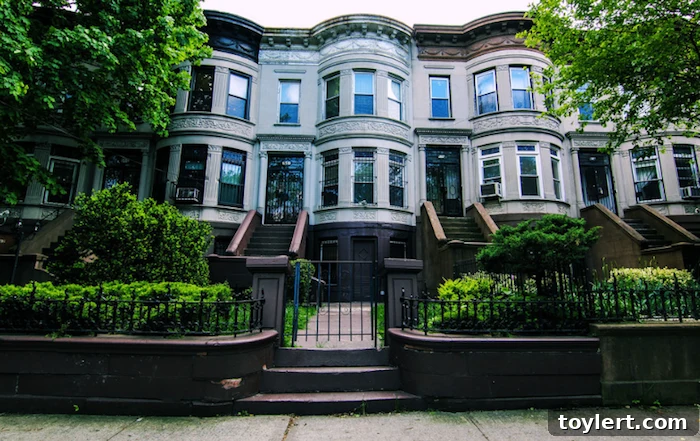
Crown Heights, a vibrant and historically rich neighborhood nestled in the heart of Brooklyn, New York City, has undergone a profound transformation over the past decade. Once characterized by its strong community bonds, stunning historic brownstones, and a deep cultural heritage, the area has rapidly become a focal point for urban change. This dramatic shift, widely recognized as gentrification, has significantly reshaped Crown Heights’ demographic, economic, and social fabric, presenting both new opportunities and complex challenges for its residents and stakeholders.
The accelerating pace of change in Crown Heights gained significant media attention when The New York Times published an article detailing the rapid evolution. This piece highlighted how longtime residents and cherished local businesses were increasingly being priced out and replaced by a wave of newcomers. As property values soared and the cost of living escalated, many established inhabitants and enterprises found it unsustainable to remain, seeking new homes and business locations in more affordable parts of Brooklyn. This migration often led them to neighborhoods like Flatbush, East New York, and Brownsville, which, at the time, still offered comparatively lower costs of living and existing community ties for those displaced from Crown Heights.
The Magnetism of Crown Heights: A Developer’s Perspective
The allure of Crown Heights for real estate developers and new urban dwellers wasn’t a sudden phenomenon; rather, it was the result of several factors converging over time. Its strategic location, boasting excellent public transportation links to Manhattan and other key Brooklyn destinations, was a major draw. Coupled with its distinctive architectural beauty—rows of classic brownstones, tree-lined streets, and a mix of pre-war apartment buildings—Crown Heights offered an attractive alternative as neighboring areas like Park Slope, Prospect Heights, and Fort Greene became increasingly unaffordable. It was perceived as an undervalued gem, poised for appreciation.
Savvy developers were quick to identify this burgeoning potential, initiating ambitious projects that would fundamentally alter the neighborhood’s residential landscape. Prominent firms such as Realty Within Reach, Hello Living, and Brookland Capital were among the early pioneers who began investing heavily in Crown Heights. Their strategy centered on capitalizing on the neighborhood’s architectural assets and strategic location, constructing new residential units designed to appeal to a wave of incoming residents seeking modern amenities, convenience, and a vibrant urban lifestyle.
The scale of this development has been truly transformative. Reports indicated a substantial building boom, with “more than 1,250 units in about two dozen residential projects” either underway or recently completed. These new constructions were largely concentrated in specific corridors, predominantly west of Nostrand Avenue and north of Eastern Parkway. These areas were strategically chosen due to a combination of factors, including the availability of larger developable lots, excellent proximity to crucial subway lines (such as the 2, 3, 4, 5, A, and C trains), and existing infrastructure capable of supporting higher population densities. The influx of these diverse new buildings, ranging from sleek, amenity-rich apartment complexes to meticulously renovated multi-family homes, dramatically increased the housing stock. However, this expansion simultaneously placed immense pressure on existing community resources, local services, and the traditional economic balance of the neighborhood.
Demographic Shifts and Economic Repercussions
The rapid influx of new residents, often characterized by higher incomes and different lifestyles than the long-term inhabitants, has inevitably led to a profound shift in Crown Heights’ demographic profile. This change is far more than just statistical; it impacts the very essence and identity of the neighborhood. For many families and individuals who have called Crown Heights home for generations, the escalating cost of living has become an insurmountable barrier. Soaring property taxes for homeowners and relentlessly rising rents for tenants have forced countless residents to make the agonizing decision to leave the community they helped build and sustain, often severing deep-rooted ties and traditions.
The local economic landscape has also been significantly transformed. Long-standing local businesses, typically small, family-owned enterprises that catered to the traditional needs and tastes of the established community, have found it increasingly difficult to compete with rising commercial rents and a changing customer base. Many of these beloved local institutions have closed their doors, only to be replaced by new establishments – trendy cafes, upscale boutiques, and gourmet restaurants – that primarily cater to the incoming demographic. While these new businesses undeniably bring fresh services and contribute to the local economy, they often create a sense of alienation among existing residents who find them either unaffordable or culturally incongruous with the neighborhood’s historical character. This shift frequently leads to a feeling of disconnect and loss as the familiar landmarks and gathering places of daily life gradually disappear.
The Critical Challenge of Affordability in a Rapidly Changing Landscape
One of the most urgent and widely discussed concerns arising from Crown Heights’ gentrification is the pronounced lack of genuinely affordable housing options. Despite the thousands of new units being constructed and marketed, a significant majority fall into the market-rate or luxury categories, making them largely inaccessible to average-income New Yorkers. The initial New York Times report explicitly highlighted this issue, noting that “very few” of the new developments were genuinely affordable. This scarcity exacerbates the already severe housing crisis for working-class families and low-income individuals, perpetuating a cycle of displacement and hindering the preservation of socioeconomic diversity within the community.
From a developer’s standpoint, such as that articulated by Boaz Gilad of Brookland Capital, the appeal of constructing and selling condominiums in a rapidly gentrifying area like Crown Heights is multi-faceted. For developers, market-rate condominium projects typically offer a higher return on investment compared to affordable housing initiatives, which often come with stricter regulations, lower profit margins, and more complex financing structures. For prospective buyers, purchasing a condo in Crown Heights represents a tangible opportunity for homeownership in an appreciating neighborhood. These modern units frequently boast state-of-the-art amenities, contemporary designs, and a comparatively lower maintenance burden than older brownstones, making them highly attractive to young professionals, growing families, or those seeking a move-in ready solution. Furthermore, investing in a burgeoning area is often viewed as a sound financial strategy, with the expectation that property values will continue to rise as the neighborhood further develops and attracts more upscale amenities and services.
Navigating the Dual Narrative: Benefits and Drawbacks of Urban Transformation
The transformation of Crown Heights, like many other urban neighborhoods across the globe experiencing significant gentrification, presents a complex and often polarizing narrative that encompasses both undeniable benefits and considerable drawbacks. On one hand, the influx of new development and investment injects substantial capital into an area, frequently leading to tangible improvements in infrastructure, cleaner public spaces, enhanced public services, and a broader array of retail and dining establishments. In some cases, increased investment can also be correlated with reduced crime rates, and the overall economic vitality of the neighborhood may appear to strengthen. These changes are often viewed positively by city planners, property owners, and some residents who see them as undeniable signs of progress and revitalization.
However, these perceived benefits frequently come at a significant and often painful cost. The most profound drawback is the widespread displacement of long-term residents and established businesses, which inevitably leads to a fragmentation of community cohesion and a gradual erosion of cultural identity. The unique character and vibrant atmosphere that initially drew new residents to the neighborhood often diminish as the area becomes more homogenized. The escalating cost of living pushes out those who cannot afford the rising rents and property taxes, often leading to the scattering of families and the dissolution of long-standing social networks. This dual narrative vividly highlights the ethical and social dilemmas inherent in rapid urban development, prompting crucial questions about who primarily benefits from growth and who ultimately bears the brunt of its often-unintended consequences.
The Future of Crown Heights: An Ongoing Evolution and Search for Balance
The story of Crown Heights is far from complete; it remains an ongoing narrative of evolution, adaptation, and continuous negotiation. The neighborhood continues to be a dynamic focal point for development and demographic shifts, albeit perhaps at a slightly adjusted pace compared to the peak years of the mid-2010s. The long-term impact of these profound changes will continue to unfold, affecting current and future generations of Brooklynites. Critical discussions surrounding the preservation of affordability, the proactive support of existing residents, and the implementation of equitable development practices remain central to shaping Crown Heights’ future. Community organizations, local government bodies, and the residents themselves are actively engaged in navigating these intricate complexities, striving to find a sustainable balance between urban progress and the essential preservation of community heritage.
Ultimately, Crown Heights stands as a compelling microcosm of urban change within New York City, emblematic of broader trends observed across many global metropolises. Its ongoing journey reflects the persistent tension between relentless economic development and the imperative of social equity, between embracing modernity and safeguarding cherished heritage. The vibrant streets of Crown Heights will undoubtedly continue to tell a powerful story of resilience, dramatic transformation, and the enduring, multifaceted spirit of Brooklyn for years to come.