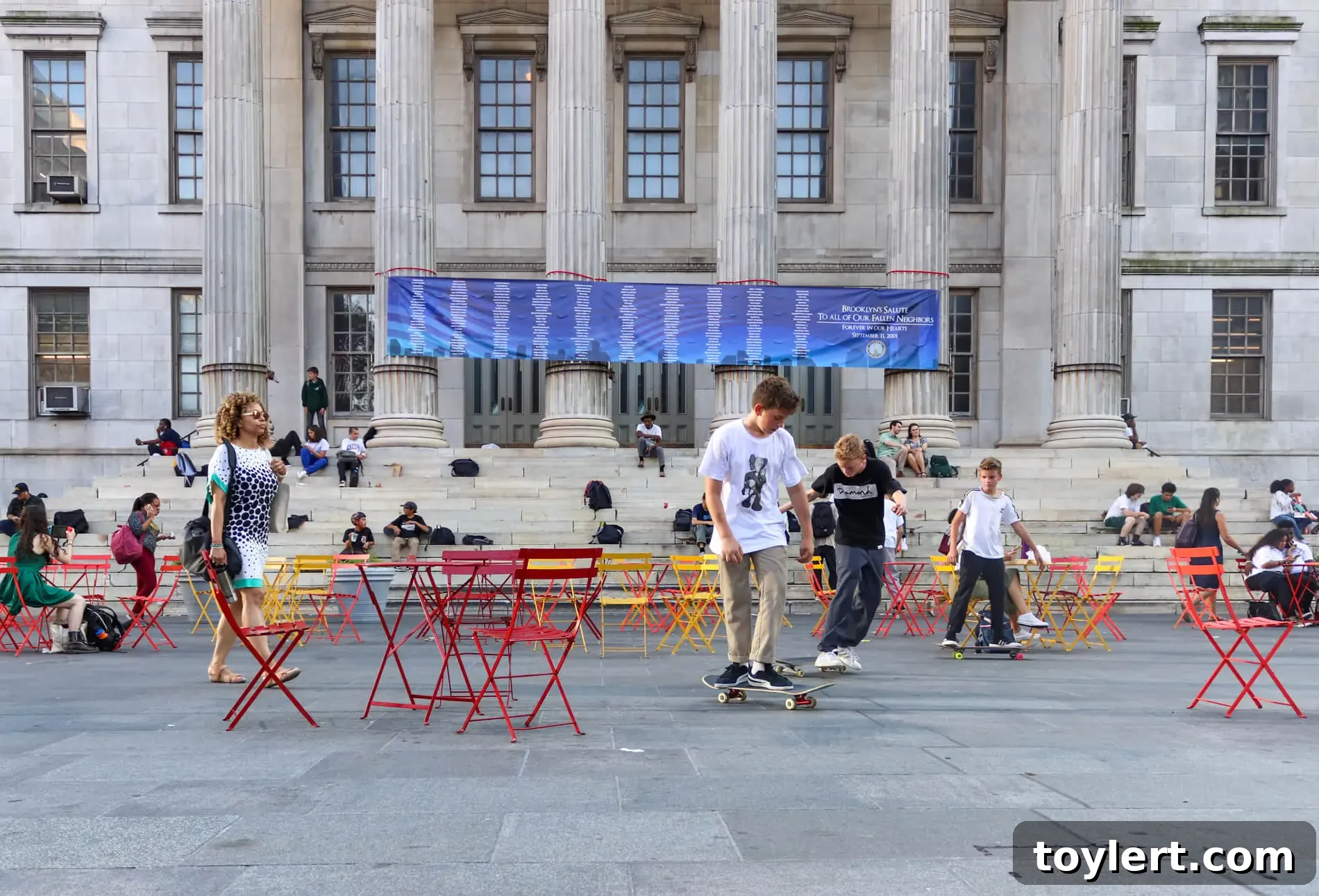
Brooklyn Unpacked: Navigating the Latest News & Developments Shaping the Borough
Brooklyn, a borough globally recognized for its vibrant culture, diverse communities, and a relentless spirit of innovation, is a place of constant transformation. From groundbreaking real estate trends and pivotal urban planning discussions to essential transportation upgrades and the everyday stories that shape its unique neighborhoods, Brooklyn consistently finds itself at the heart of dynamic urban discourse. This in-depth article delves into recent headlines, offering a comprehensive look at the powerful forces at play, highlighting both the exciting opportunities and the complex challenges that define life in one of New York City’s most iconic and rapidly evolving boroughs.
Brooklyn’s Shifting Economic and Cultural Landscape
The magnetic allure of Brooklyn continues to attract diverse sectors, with a particularly notable migration observed in creative industries. Recent reports illuminate that creative brands are increasingly making the strategic move to Brooklyn. These companies are drawn by the borough’s unique blend of artistic energy, its wealth of adaptable commercial spaces, and a rapidly burgeoning talent pool. This significant influx not only injects new economic vitality into thriving neighborhoods such as Bushwick, Dumbo, and Sunset Park but also powerfully reinforces Brooklyn’s identity as a global hub for innovation, design, and artistic expression. This trend contributes significantly to the borough’s economic diversification, fostering new job opportunities and cultivating a dynamic ecosystem where creativity thrives hand-in-hand with commerce.
However, this rapid pace of growth and extensive development are not without their inherent complexities. Urban expansion frequently gives rise to tensions, particularly concerning the preservation of existing community assets and invaluable green spaces. A prime example of this ongoing dynamic is the situation surrounding development adjacent to the Brooklyn Botanic Garden, where opponents of a proposed high-rise development have entered into settlement talks. This scenario powerfully underscores the delicate balance that urban planners and local governments must meticulously strike between accommodating new growth and diligently protecting cherished cultural landmarks and vital environmental resources. Community advocacy groups frequently mobilize to champion responsible development practices, striving to ensure that Brooklyn’s future is shaped in a way that respects its rich past and preserves its indispensable natural spaces for present and future generations.
Another critically important aspect of urban development involves ensuring the fundamental safety and well-being of all residents, particularly in areas experiencing significant transformation. The designated site for the new Pacific Park Middle School, for instance, has sparked considerable pedestrian safety concerns among local residents and parents. As new residential and commercial complexes continue to emerge and expand, the accompanying increase in both foot and vehicular traffic necessitates a highly proactive and thoughtful approach to urban design. This includes the implementation of robust traffic calming measures, the creation of clearly marked and safe crosswalks, and the enhancement of public transportation access to minimize congestion. Addressing these concerns is paramount to fostering truly livable, walkable neighborhoods, ensuring that critical infrastructure effectively keeps pace with the demands of a growing population, and most importantly, that children can commute to school safely and securely.
Navigating Brooklyn: Transportation and Infrastructure Updates
Efficient and reliable public transportation serves as the absolute lifeblood of New York City, and Brooklyn’s extensive subway network is certainly no exception. Commuters across the borough are deeply invested in the reliability, accessibility, and overall efficiency of their daily transit options. Consequently, any news regarding subway station closures, service disruptions, or major infrastructure upgrades consistently garners significant attention and public debate. Recently, the extensively discussed proposed closure of the Clark Street Station, a vital artery for many Brooklyn Heights residents, was declared ‘not a done deal’ by a prominent MTA official. This declaration offered a temporary but significant reprieve to commuters and highlights the intense community advocacy and sustained public pressure often involved in major infrastructure projects. It underscores the MTA’s ongoing and complex efforts to strike a balance between necessary system upgrades and minimizing disruption to the millions of daily riders who rely on these essential services.
Beyond specific station concerns, the overarching modernization of Brooklyn’s subway infrastructure remains a very high priority for the Metropolitan Transportation Authority (MTA). Recognizing the urgent need for a more reliable, efficient, and technologically advanced system, the MTA has proactively announced ambitious plans to modernize three crucial Brooklyn subway signal systems as an integral part of its extensive capital plan. These comprehensive upgrades are absolutely crucial for enhancing train speeds, significantly reducing chronic delays, and improving overall operational safety across some of the city’s oldest and most heavily trafficked lines. Such substantial investments are vital for ensuring that Brooklyn’s transit network can not only continue to effectively support its expanding population and burgeoning economic activity but also provide a robust foundation for future growth and seamless connectivity throughout the borough and beyond.
Infrastructure challenges in Brooklyn, however, extend far beyond the subway system, with local communities frequently grappling with the compounded effects of aging municipal systems and increasingly frequent extreme weather events. Following a period of significant and intense rainfall, local politicians were compelled to demand answers after Park Slope brownstones experienced severe and damaging flooding. This unfortunate incident serves as a stark and urgent reminder of the inherent vulnerability of dense urban areas to the impacts of climate change and underscores the pressing need for resilient and future-proof infrastructure. Addressing these complex issues requires a multi-faceted and collaborative approach, including critical upgrades to antiquated stormwater management systems, the enforcement of stricter building codes to enhance resilience, and sustained community engagement to develop long-term, sustainable solutions that effectively protect residents and their cherished historic properties from future environmental challenges.
Brooklyn’s Dynamic Community and Lifestyle Scene
Brooklyn’s well-deserved reputation as a premier culinary hotspot continues to burgeon, with an exciting array of new eateries constantly emerging to cater to its incredibly diverse palates. The recent opening of an East Wind Snack Shop outpost on Smith Street stands as a vibrant testament to this continually evolving and dynamic food scene. Such expansions not only offer residents and visitors an even wider array of enticing dining options but also contribute significantly to the unique character and sustained economic vitality of individual neighborhoods. These local businesses frequently become cherished community anchors, reflecting the borough’s robust entrepreneurial spirit and its remarkable ability to seamlessly blend global flavors with distinct local charm, further enhancing Brooklyn’s irresistible appeal as a world-class gastronomic destination.
Beyond its acclaimed culinary offerings, Brooklyn is an intricate and rich tapestry of cultures and traditions, and its public spaces frequently become crucial forums for important discussions about community values and inclusivity. A notable proposal suggesting separate pool time for men and women in Williamsburg sparked considerable conversation and debate within the community. This sensitive topic highlights the inherent complexities of thoughtfully accommodating diverse cultural and religious practices within shared public facilities, particularly in a borough renowned for its rich multicultural fabric. It prompts important and necessary dialogues about how to effectively balance universal access with the specific needs and preferences of different community groups, ensuring that Brooklyn remains a welcoming, respectful, and inclusive place for all its valued residents.
Innovation in Brooklyn extends far beyond traditional sectors, profoundly impacting sustainable living and ethical consumption, with businesses increasingly adopting eco-conscious practices as a core principle. A truly standout example is a Fort Greene restaurant reopening with the bold and pioneering idea of ‘no chef, no trash’. This visionary approach to dining, which meticulously focuses on a comprehensive zero-waste model and fosters a collaborative culinary process, reflects a broader and growing movement towards sustainability that is gaining significant traction across the entire borough. Such innovative initiatives not only work to minimize environmental impact but also inspire a new wave of consumer awareness and drive increased demand for ethical and responsible business practices. Brooklyn continues to lead by example, consistently demonstrating how creativity and environmental responsibility can converge to shape a more sustainable and conscientious urban future.
Brooklyn’s Enduring Appeal and Future Horizons
From its dynamic economic shifts driven by the burgeoning creative industries to the ongoing and crucial efforts to modernize its vital infrastructure and the vibrant, sometimes complex, tapestry of its community life, Brooklyn stands as a compelling microcosm of urban evolution. The borough skillfully navigates constant change, meticulously balancing rapid development with the preservation of its truly unique character and the diverse needs of its multifaceted inhabitants. Each news item, whether detailing the exciting opening of a new local restaurant or a significant, hotly debated infrastructure project, contributes intrinsically to the rich and evolving narrative of a borough that is perpetually reinventing itself while holding steadfast to its distinctive and beloved identity.
As Brooklyn continues to attract exceptional talent, significant investment, and new residents from across the globe, its inherent challenges and celebrated successes offer invaluable lessons in urban resilience, adaptability, and profound community engagement. The ongoing conversations and critical dialogues around development, efficient transit, and crucial social equity are not merely localized stories; they are powerful reflections of broader urban trends unfolding worldwide. Staying comprehensively informed about these pivotal developments is absolutely key to understanding the vibrant pulse of this extraordinary borough and truly appreciating the myriad ways it continues to shape the future of urban living. Brooklyn remains an exceptional place where rich history seamlessly meets cutting-edge innovation, and where every corner, every street, and every community tells a compelling story of adaptation, ambition, and an enduring, unbreakable community spirit.
Stay connected with the latest happenings shaping Brooklyn by exploring these recent articles:
- Creative Brands Are on the Move to Brooklyn [NYP]
- Botanic Garden Development Opponents to Begin Settlement Talks [Eagle]
- Clark Street Station Closure ‘Not a Done Deal’ [Eagle]
- Pacific Park Middle School Site Sparks Pedestrian Safety Concerns [Eagle]
- MTA to Modernize Three Brooklyn Subway Signal Systems [BP]
- Pols Demand Answers After Park Slope Brownstones Flood [BP]
- East Wind Snack Shop Outpost Opens on Smith Street [PMFA]
- Separate Pool Time for Men and Women Floated in Williamsburg [The City]
- Fort Greene Restaurant Reopens With Bold Idea: No Chef, No Trash [NYMag]