Brooklyn’s Evolving Landscape: A Deep Dive into Development, Community, and Culture
Brooklyn, New York, stands as a testament to constant evolution – a borough where historical roots intertwine with rapid modernization, vibrant community spirit, and an ever-changing urban fabric. From the dramatic transformations of industrial waterfronts to the intimate gatherings in local parks and the bustling real estate market, Brooklyn offers a microcosm of metropolitan life. This article explores a series of pivotal moments and ongoing trends that highlight the borough’s dynamic nature, showcasing its commitment to heritage, sustainability, and community well-being amidst significant growth.
Iconic Transformations: The Legacy of Industry and Future Visions
The skyline of Brooklyn is perpetually reshaping, most notably along its extensive waterfront. One of the most significant examples of this transformation is the former Domino Sugar Factory in Williamsburg. Once a colossal symbol of Brooklyn’s industrial might, dominating the East River shore with its distinctive sign, the factory’s physical remnants tell a compelling story of an era passed. Its redevelopment has been a focal point for urban planners and residents alike, symbolizing the shift from heavy industry to mixed-use residential and commercial spaces. While preserving certain iconic elements, the project aims to inject new life into the area, promising public access to the waterfront, new housing options, and commercial opportunities, all while grappling with the challenge of integrating the past with a progressive future.
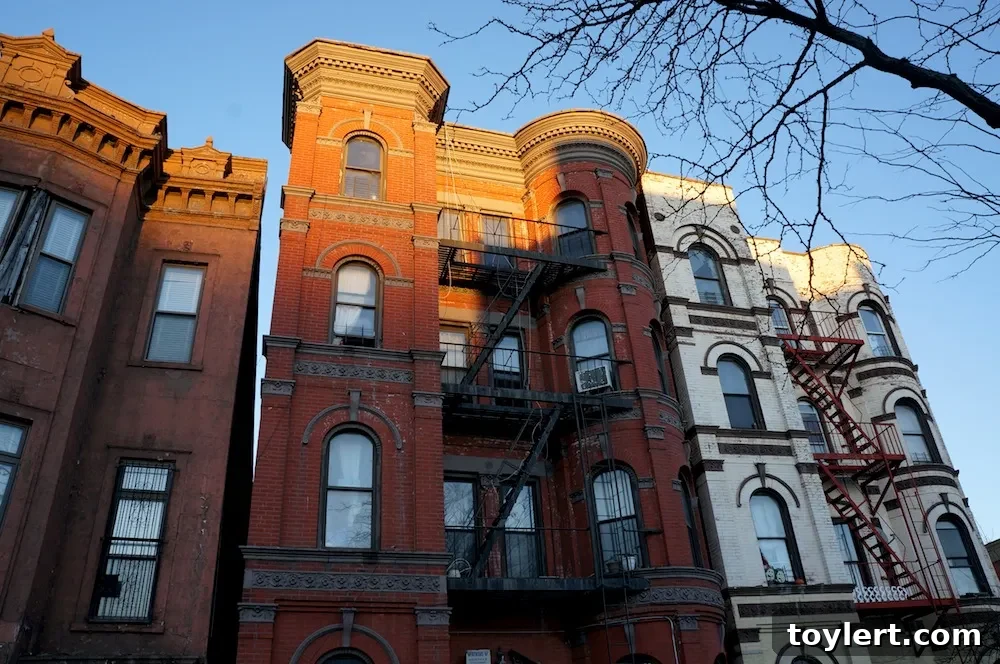
Beyond the waterfront, the borough’s neighborhoods are also undergoing subtle yet significant shifts. The image of a multi-family barrel-front building on Bushwick Avenue serves as a visual reminder of Brooklyn’s diverse architectural heritage and the continuous demand for housing. These classic structures, often renovated and repurposed, contribute to the unique charm and residential character of areas like Bushwick, which has itself seen considerable growth and demographic change over the past decade. Such buildings are not merely residential units; they are canvases reflecting the history, aspirations, and ongoing development of their respective communities, providing homes that blend traditional aesthetics with contemporary living needs.
The Heart of Brooklyn: Community Events and Artistic Expression
At the core of Brooklyn’s identity is its robust community spirit, vividly displayed through local events and public art initiatives. Across various neighborhoods, residents actively engage in activities that strengthen social bonds and celebrate local culture.
Art for the Public Good: Murals and Urban Beautification
Public art plays a crucial role in enhancing the urban environment and reflecting the collective soul of a community. Near the verdant expanse of Prospect Park, for instance, a captivating wild animal mural stands as a vibrant testament to local artistic talent. Such murals not only beautify public spaces but also often carry deeper messages, fostering conversations about nature, urban coexistence, and community identity. The artist’s plea for a protective coating highlights the ongoing need for preservation efforts to ensure these accessible works of art endure for future generations, underscoring the value placed on cultural contributions that enrich daily life.
Illuminating Traditions: Holiday Celebrations
The holiday season consistently brings communities together in festive displays of shared joy. Bed-Stuy, a neighborhood steeped in history and culture, famously hosts its annual tree lighting ceremony, a beloved tradition that brings together families, local businesses, and public figures. The participation of recognizable personalities, such as “30 Rock” star Kevin Brown, adds an extra layer of excitement, transforming a simple event into a memorable highlight of the community calendar. Similarly, Carroll Park, a historic green space in the eponymous neighborhood, also celebrates with its own tree lighting. These events are more than just seasonal festivities; they are vital opportunities for neighbors to connect, fostering a sense of belonging and collective identity.
Sustainable Living: Community Swaps and Drives
Beyond celebrations, Brooklynites are actively engaged in initiatives that promote sustainable living and mutual support. The annual Community Clothing Swap and Coat Drive at P.S. 139 in Ditmas Park exemplifies this commitment. Such events offer practical solutions for families to refresh their wardrobes sustainably, reducing waste and providing essential items to those in need. They embody the spirit of resourcefulness and solidarity that thrives within Brooklyn’s diverse communities, creating tangible positive impacts on both the environment and individual lives.
Brooklyn’s Dynamic Real Estate and Urban Planning
Brooklyn’s real estate market is a complex tapestry reflecting both the borough’s desirability and its pressing challenges, particularly concerning affordability and urban development strategies.
Addressing the Housing Crisis: Affordable Solutions
The conversation around housing affordability is perennial in Brooklyn. In Brighton Beach, a coastal neighborhood known for its vibrant Eastern European culture, there have been ongoing discussions regarding innovative solutions to this crisis. Efforts by local leadership, such as those led by the Borough President to replace a significant parking lot with affordable housing units, illustrate the creative approaches being considered to meet the growing demand for accessible residences. These proposals often spark debate, balancing the need for development with concerns about existing infrastructure, parking availability, and maintaining neighborhood character. Nevertheless, they highlight the critical focus on expanding affordable living options throughout the borough.
The Luxury Market and Gentrification’s Footprint
Contrasting with the push for affordability is the robust luxury real estate market, which continues to redefine property values in many areas. Crown Heights, for instance, a neighborhood that has experienced significant gentrification, frequently sees properties commanding premium prices. A notable example, such as the listing at 1193 Bergen Street exceeding $2 million, underscores the rapid escalation of property values. These high-end sales are indicative of Brooklyn’s broader appeal to affluent buyers, a trend that brings both economic investment and complex questions about neighborhood identity, displacement, and the sustainability of diverse communities.
Architectural Character and Personal Touches
Beyond the market trends, Brooklyn’s housing stock also celebrates individuality. Even in established neighborhoods like Gravesend, unique properties stand out, such as a $900,000 pink house that, regardless of personal aesthetic judgment, certainly makes a statement. These distinctive homes contribute to the borough’s eclectic charm, ensuring that even in a rapidly developing urban environment, there remains space for personal expression in architecture. On a more personal level, many Brooklyn residents invest in enhancing their living spaces, reflecting a commitment to home and comfort. The detailed account of Claire and Mike’s kitchen renovation in Park Slope showcases the trend of personalized home improvements, transforming interiors to match modern lifestyles while often preserving the essence of classic Brooklyn homes.
Brooklyn’s Ever-Evolving Cultural and Culinary Scene
Brooklyn’s reputation as a cultural and culinary hub continues to grow, attracting innovative businesses and reshaping its entertainment landscape.
A Global Palate: Culinary Innovation
The borough’s food scene is a dynamic blend of tradition and avant-garde experimentation. Williamsburg, a neighborhood synonymous with culinary trends, frequently welcomes unique establishments that push boundaries. The arrival of a 134-year-old Italian gelateria offering surprising flavors like salmon sorbet perfectly encapsulates this spirit. It represents a fascinating fusion of deeply rooted European culinary heritage with Brooklyn’s adventurous palate, offering residents and visitors alike an array of unexpected gastronomic experiences.
The Changing Rhythms: Music and Entertainment
While new businesses emerge, the cultural landscape also experiences shifts, sometimes involving the closure of beloved institutions. Williamsburg, long a nexus for independent music and nightlife, has witnessed changes that reflect broader trends in urban development and rising operating costs. The news of yet another music venue facing closure highlights the challenges faced by small, independent cultural spaces in a rapidly gentrifying environment. These closures are often met with nostalgia and concern, as they represent not just a loss of a physical space, but potentially a shift in the cultural heartbeat of a neighborhood that prides itself on its artistic vibrancy and live music scene.
Conclusion: A Borough in Perpetual Motion
From the foundational stones of its industrial past to the cutting-edge culinary creations and the heartfelt gatherings of its diverse communities, Brooklyn is a borough in constant, vibrant motion. The stories within its neighborhoods – tales of historic redevelopment, efforts to foster affordable housing, the celebration of public art, and the resilience of local traditions – paint a picture of a place that is continually redefining itself. Brooklyn remains a testament to urban dynamism, a place where progress and preservation strive for harmony, and where every street corner tells a story of an evolving legacy. It is a borough that truly embodies the spirit of innovation while fiercely guarding its unique identity, making it one of the most compelling and engaging places in New York City.