Exploring the Legacy of 1220 Surf Avenue: The Former Herman Popper Building in Coney Island
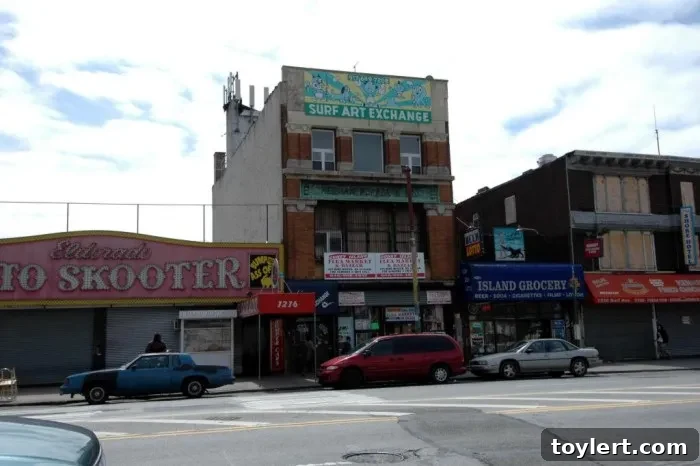
Brooklyn, one building at a time: Dive into the storied past of Coney Island’s architectural gems.
Name: Former Herman Popper building
Address: 1220 Surf Avenue, Coney Island, Brooklyn, NY
A Glimpse into Coney Island’s Enduring Spirit
Coney Island, a name synonymous with dazzling amusement rides, vibrant boardwalks, and a unique place in American popular culture, is also home to a fascinating array of historic architecture. Among these structures, the building at 1220 Surf Avenue, once known as the Herman Popper building, stands as a quiet testament to the area’s rich and dynamic past. This article delves into the history, architectural significance, and enduring legacy of this particular Brooklyn landmark, exploring how it reflects the ebb and flow of Coney Island’s development.
More than just bricks and mortar, 1220 Surf Avenue embodies the spirit of an era when Coney Island was the unrivaled “Playground of the World.” Its walls have witnessed generations of visitors flocking to the shore, entrepreneurs seeking fortunes, and the constant evolution of a neighborhood that has consistently reinvented itself. Understanding buildings like the Herman Popper structure offers invaluable insights into the social, economic, and cultural fabric that shaped not only Coney Island but also a significant part of New York City’s identity.
The Legacy of Herman Popper and Early 20th Century Commercial Life
While the exact details of Herman Popper’s life and his specific enterprise at this address might be lost to common memory, the fact that a building bears his name suggests a figure of some prominence in Coney Island’s commercial landscape. In the early 20th century, Surf Avenue was a bustling thoroughfare, teeming with shops, restaurants, entertainment venues, and accommodations catering to the millions who visited the amusement parks and beaches. Buildings like 1220 Surf Avenue were critical components of this vibrant ecosystem.
It is plausible that the Herman Popper building originally housed a retail establishment, a restaurant, a guest house, or perhaps even served as offices for one of the many businesses contributing to Coney Island’s thriving economy. Such structures were not merely functional spaces; they were an integral part of the streetscape, designed to attract attention and provide services that enhanced the visitor experience. Their robust construction and strategic location speak volumes about the optimism and rapid development characteristic of Coney Island during its golden age.
Architectural Character and Urban Context
The architecture of 1220 Surf Avenue likely reflects the practical yet often decorative commercial styles popular in the early to mid-20th century. While specific architectural features might vary, many buildings from this period in Coney Island showcased a blend of utilitarian design with touches of popular styles like Art Deco, Art Moderne, or even simplified Classical elements. These structures often featured durable materials such as brick, terra cotta, and large display windows at street level, designed to showcase goods or invite patrons inside.
The building’s position on Surf Avenue is particularly telling. Surf Avenue itself has historically been a lifeline for Coney Island, connecting major attractions and providing essential commercial frontage. The presence of buildings like the Herman Popper structure along this artery underscores its importance as a commercial and social hub. They form a continuous urban fabric that grounds the more extravagant amusement structures, providing necessary infrastructure and services that allowed the amusement district to flourish.
Examining the building’s facade, window patterns, and general proportions can often reveal clues about its original construction date and any subsequent modifications. While specific stylistic movements may not be immediately obvious, the overall aesthetic contributes to the unique historical character of Coney Island’s streetscape, offering a tangible link to its past.
A Witness to Coney Island’s Transformations
Coney Island’s history is one of dramatic peaks and valleys. From its dazzling heyday as a global entertainment capital to periods of decline, urban decay, and subsequent revitalization efforts, the neighborhood has constantly evolved. Buildings like the former Herman Popper building have stood witness to these profound transformations. They have seen the crowds swell and recede, businesses open and close, and the landscape change around them.
The resilience of such structures is remarkable. They adapt, sometimes gracefully, sometimes with visible scars, to new uses and new economic realities. A former retail store might become an arcade, a restaurant, or even be repurposed for residential or community use. This adaptive reuse is a hallmark of urban preservation and a testament to the inherent value and flexibility of well-built historic structures. The fact that 1220 Surf Avenue remains standing and functional today speaks to its inherent architectural integrity and its enduring place within the community.
Preserving Brooklyn’s Architectural Heritage on Surf Avenue
The preservation of historic buildings like 1220 Surf Avenue is crucial for maintaining the unique identity and rich heritage of Brooklyn and New York City. These structures serve as vital historical markers, providing a tangible connection to the past and offering insights into the lives and aspirations of previous generations. In a rapidly developing urban environment, where new construction often overshadows or replaces older buildings, the conscious effort to identify, protect, and revitalize these architectural gems becomes paramount.
For Coney Island, a district known for its ephemeral attractions, the solidity of its historic buildings offers a much-needed sense of continuity and authenticity. They tell a story that extends beyond the fleeting thrills of a roller coaster, speaking to the deeper history of commerce, community, and urban life. As Coney Island continues its modern revitalization, striking a balance between embracing new development and honoring its rich past through structures like the Herman Popper building is essential for a sustainable and meaningful future.
Efforts by local historians, preservationists, and community advocates play a critical role in highlighting the significance of these often-overlooked buildings. By documenting their stories, advocating for their protection, and promoting their adaptive reuse, they ensure that future generations can appreciate the architectural tapestry that makes neighborhoods like Coney Island so unique. The former Herman Popper building, therefore, is not just an old structure; it is a piece of living history, contributing to the vibrant narrative of Surf Avenue and beyond.
The Enduring Significance of 1220 Surf Avenue
The former Herman Popper building at 1220 Surf Avenue is far more than an antiquated structure; it is a historical artifact embedded within the dynamic fabric of Coney Island. It embodies the ambitious spirit of early 20th-century Brooklyn development and serves as a powerful reminder of the commercial vitality that once pulsed along Surf Avenue. Its continued presence contributes significantly to the unique character of Coney Island, grounding the area’s legendary amusement parks in a deeper historical context.
Through its architecture and its story, 1220 Surf Avenue invites us to look beyond the immediate spectacle of modern Coney Island and appreciate the layers of history that define this iconic destination. It stands as a testament to the enduring power of architecture to tell stories, connect generations, and preserve the soul of a neighborhood. As we walk past its facade today, we are reminded of the countless lives it has touched and the indelible mark it has left on the captivating saga of Brooklyn’s Coney Island.