The Battle for Homeownership: Unpacking New York City’s Controversial Tax Lien Sale and Rising Protests
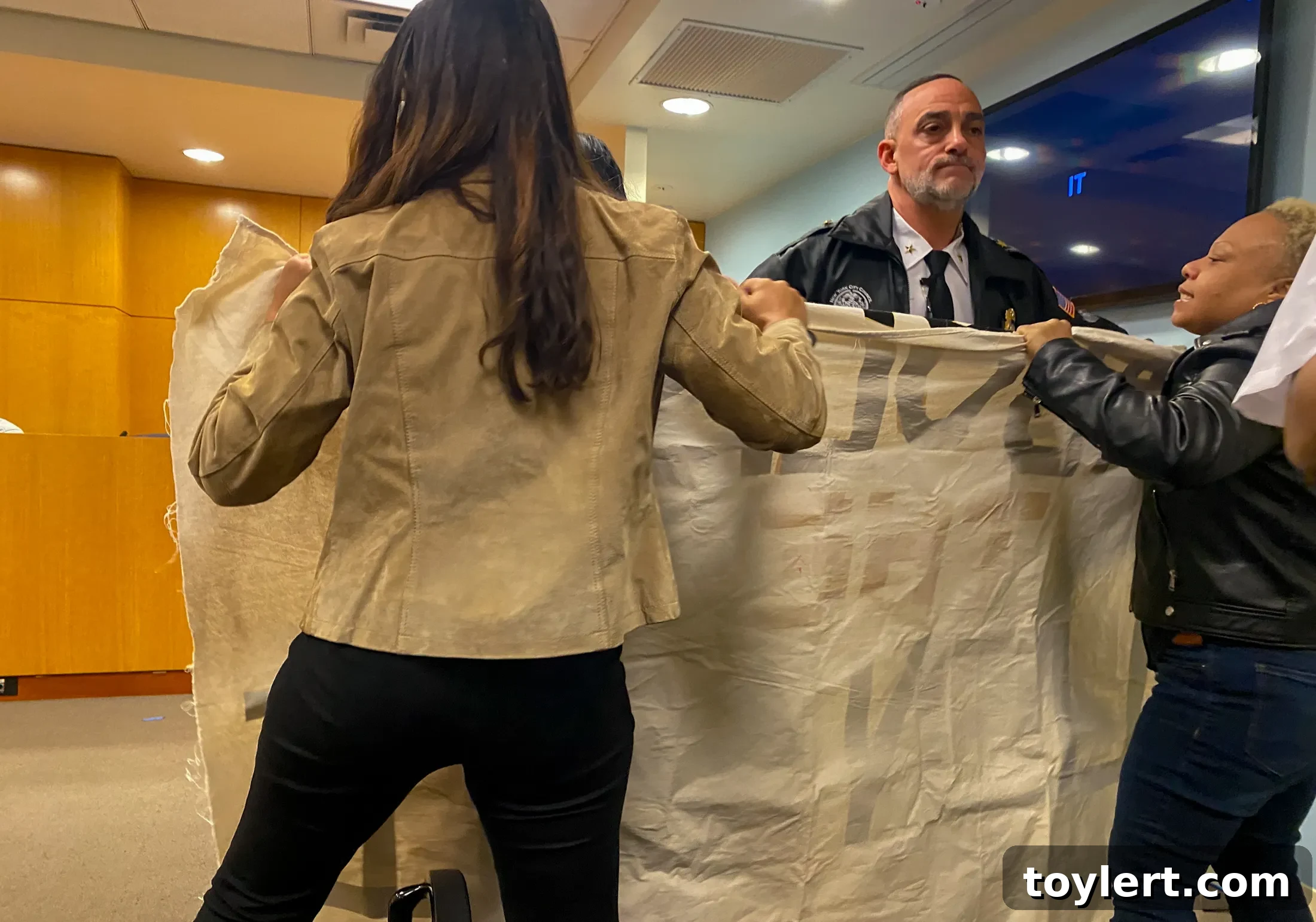
New York City’s long-debated tax lien sale system recently faced a fervent demonstration at a public hearing, where activists forcefully disrupted proceedings. Protesters from the Abolish the New York City Tax Lien Sale Coalition rushed the speaking area, chanting “do your jobs, stop the sale that steals and robs,” unfurled a large banner, and brought testimony to a halt until security intervened. This incident underscored the deep-seated opposition and growing urgency surrounding a policy that many argue disproportionately harms vulnerable homeowners across the five boroughs.
Understanding New York City’s Tax Lien Sale System
The NYC tax lien sale is a municipal mechanism through which the city collects outstanding property debts. Instead of directly pursuing delinquent property owners, the city sells the right to collect these debts – which include unpaid property taxes, water, and sewer charges, and other city-imposed fees – to private investors. These investors purchase the liens, essentially buying the city’s claim on the property. While proponents argue it’s an efficient way for the city to recover revenue, critics highlight the severe consequences for property owners, often leading to steep fees, interest charges, and, ultimately, the threat of foreclosure.
Once a private investor acquires a lien, they gain the power to charge high interest rates and fees. If the property owner cannot repay the debt, including the accumulated interest and penalties, the investor can initiate foreclosure proceedings. This system places a significant burden on homeowners, particularly those facing financial hardship, turning what might initially be a manageable debt into an insurmountable obstacle that jeopardizes their most valuable asset – their home.
A System Under Scrutiny: Why is it Controversial?
The controversy surrounding the tax lien sale is multifaceted. At its core, it’s seen by many as a predatory practice that strips wealth from long-term residents and transfers it to private entities. The system often targets those least equipped to navigate complex legal and financial processes, including the elderly, low-income families, and communities of color, who may have inherited homes with accumulated, sometimes unknown, debts.
- Disproportionate Impact: Studies and anecdotal evidence suggest that the lien sale disproportionately affects Black, Latino, and working-class communities. These neighborhoods, often grappling with historical disinvestment and systemic economic challenges, bear the brunt of foreclosures initiated through this system.
- Wealth Stripping: For many families, their home represents their primary, if not sole, source of generational wealth. Losing a home due to a tax lien sale can erase decades of savings and stability, pushing families into further economic precarity and contributing to cycles of poverty.
- Lack of Due Process and Transparency: Critics argue that homeowners often receive insufficient notice or confusing information about their outstanding debts and the impending lien sale, leaving them ill-equipped to respond effectively before their property is at risk.
- Profit over People: The system allows private investors to profit from the misfortune of struggling homeowners, raising ethical questions about whether a city should enable such a mechanism.
The Voices of Opposition: The Abolish the NYC Tax Lien Sale Coalition
Leading the charge against this system is the Abolish the New York City Tax Lien Sale Coalition. This broad alliance of community organizations, housing advocates, legal aid groups, and concerned citizens has been at the forefront of the movement to dismantle the current lien sale structure. Their argument is clear: the system is fundamentally unjust and must be replaced with more equitable and supportive approaches for homeowners facing debt.
The Coalition emphasizes that the issue isn’t about avoiding debt repayment, but about how the city manages those debts. They advocate for solutions that keep people in their homes, preserve community stability, and build, rather than diminish, generational wealth in historically marginalized neighborhoods. Their consistent activism, including educational campaigns, lobbying efforts, and public protests, highlights a persistent demand for systemic change.
The April 30th Hearing: A Turning Point in Advocacy
The recent public hearing on April 30th served as a powerful testament to the intensity of this opposition. The disruption occurred shortly after Albert Scott, a lifelong East New York resident and founding member of the East New York Community Land Trust, delivered a poignant testimony. Scott directly challenged the city’s Tax Lien Sale Task Force to honor its legal mandate – a directive to explore and implement alternatives to the existing model.
“Our Black, Latino, working class community of homeowners and tenants are being economically brutalized by this lien sale,” Scott declared, his words echoing the sentiment of countless residents. His statement underscored the human cost of the policy, focusing on the communities that disproportionately suffer its consequences. The immediate aftermath of his testimony, with protesters pouring into the speaking area with banners and chants, symbolized a community reaching its breaking point, demanding immediate attention and concrete action from city officials.
The protest was not merely an act of defiance but a strategic effort to force accountability. By physically stopping the proceedings, activists aimed to ensure their message could not be ignored, forcing those in power to confront the pain and anger stemming from the lien sale. This bold action signified a shift from passive testimony to active, direct intervention, highlighting the escalating frustration with the perceived inaction of the Task Force.
The Mandate of the Tax Lien Sale Task Force and the Call for Alternatives
The city’s Tax Lien Sale Task Force was established with the specific purpose of reviewing the current lien sale system and proposing alternatives that are more equitable and effective. However, activists like Albert Scott and the Abolish the NYC Tax Lien Sale Coalition believe the Task Force has fallen short of its responsibilities, failing to adequately explore and champion reforms that could genuinely protect homeowners.
The demand for “alternatives” is not a call to forgive all debt but to restructure how the city handles arrears. Advocates propose a range of strategies aimed at preventing foreclosures and supporting vulnerable homeowners:
- Enhanced Payment Plans and Assistance Programs: Implementing more flexible, affordable payment plans and increasing access to financial assistance programs specifically designed for homeowners facing financial hardship.
- Direct City Intervention: Instead of selling liens to private investors, the city could retain delinquent liens and work directly with property owners to resolve debts through counseling and customized repayment schedules.
- Community Land Trusts and Stewardship: Supporting initiatives like the East New York Community Land Trust, which aim to acquire and manage properties to ensure long-term affordability and community control, preventing speculative sales and displacement.
- Progressive Enforcement: Developing a tiered system of enforcement that prioritizes supportive measures for owner-occupied homes and vulnerable populations before resorting to punitive measures.
- Improved Notification and Outreach: Ensuring that property owners receive clear, understandable, and timely information about their debts, available assistance, and the potential consequences of inaction, perhaps in multiple languages.
- Capping Interest Rates and Fees: Implementing stricter regulations on the interest rates and fees that private lienholders can charge, mitigating the rapid escalation of debt.
The Broader Implications: Housing Justice and Economic Equity
The debate over New York City’s tax lien sale is more than just a fiscal policy discussion; it’s a critical component of the broader struggle for housing justice and economic equity. In a city already grappling with an affordable housing crisis, policies that accelerate displacement and wealth loss among existing homeowners exacerbate systemic inequalities. The lien sale represents a structural vulnerability that disproportionately impacts communities already fighting for stability and self-determination.
Protecting existing homeowners, especially those in historically disinvested neighborhoods, is vital for maintaining the social fabric of New York City. It prevents the further gentrification and displacement that erode community identity and cultural heritage. The momentum generated by the Abolish the NYC Tax Lien Sale Coalition and the impassioned protests signal a collective refusal to accept a system perceived as unjust. This movement highlights a growing demand for city governance that prioritizes the well-being and stability of its residents over short-term revenue gains facilitated by private profit.
Looking Ahead: The Future of Property Debt in NYC
The future of New York City’s tax lien sale remains uncertain, but the recent protest has undeniably amplified the calls for reform. The pressure on the Tax Lien Sale Task Force and city policymakers to enact meaningful change is intensifying. As housing advocates continue to organize and demand accountability, the debate will likely evolve from simply modifying the existing system to fundamentally reconsidering its existence.
The core challenge for New York City lies in balancing its need for revenue collection with its responsibility to protect its most vulnerable residents. Finding a sustainable, equitable solution to property debt that upholds homeowner rights and fosters community stability will require genuine political will, innovative policy development, and continued engagement with the very communities most affected by these critical decisions. The struggle to abolish or radically transform the NYC tax lien sale is a defining battle in the ongoing fight for a more just and equitable New York City.