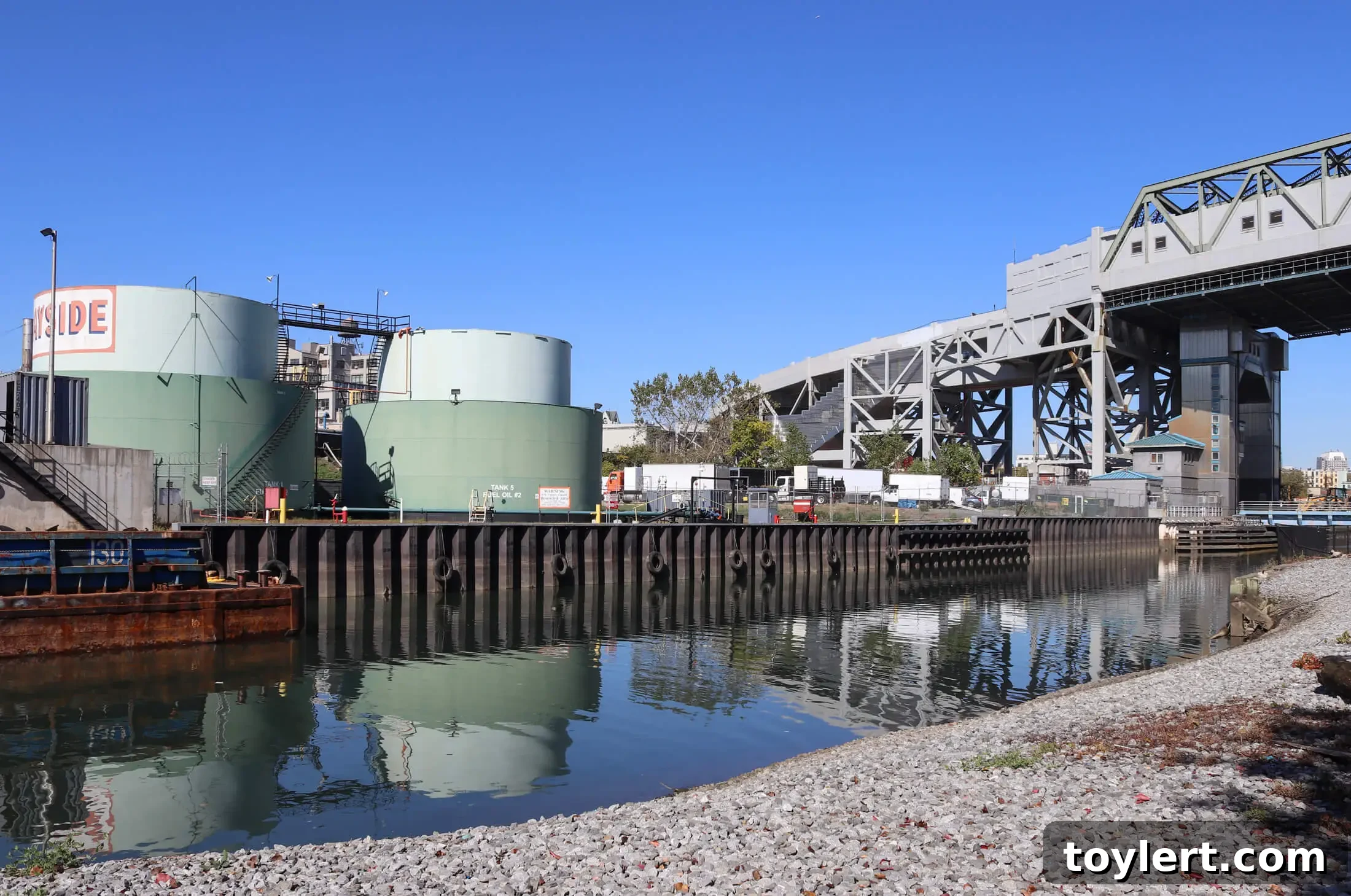
Exploring Brooklyn’s Gowanus Canal: A Journey Through Its Environmental Past, Present, and Future
The Gowanus Canal, often affectionately (or perhaps hauntingly) referred to as “Brooklyn’s Nautical Purgatory,” stands as a living testament to the intricate and often fraught relationship between urban development and the natural environment. This historic waterway, nestled in the heart of Brooklyn, offers a compelling narrative of ecological transformation, industrial ambition, and the modern-day challenges of urban revitalization and environmental remediation. Understanding the Gowanus means delving into its deep past, grappling with its present complexities, and envisioning a future shaped by intensive cleanup efforts, innovative urban planning, and dedicated community advocacy.
To truly grasp the essence of the Gowanus Canal, one must journey through its environmental history, exploring how it has evolved from a vibrant natural ecosystem to an industrial artery, and now, to a critical site of federal cleanup and ambitious urban redevelopment. Events like the “Gowanus Watermark Walk” serve as invaluable opportunities for the public to trace the historic marshlands and uncover the hidden “ghost streams” that once defined the waterway’s pre-industrial past. These guided tours not only connect participants with the ecological roots of the area but also tie them directly into the neighborhood’s future, examining the profound impacts of the ongoing federal cleanup, the crucial discussions around the area’s storm resiliency, and the city’s significant planned rezoning initiatives.
From Pristine Wetlands to Industrial Artery: The Gowanus’s Ecological Transformation
Before the concrete banks and industrial structures defined its edges, the area now occupied by the Gowanus Canal was a flourishing tidal estuary, a rich tapestry of salt marshlands, oyster beds, and winding freshwater streams. These natural wetlands acted as vital ecological filters, supporting diverse flora and fauna, and providing natural protection against storm surges. The “ghost streams” — ancient waterways long since paved over and buried beneath streets and buildings — are a poignant reminder of this forgotten natural landscape. They represent the original circulatory system of the Gowanus basin, shaping the topography and hydrology that existed for millennia before human intervention.
The 19th century brought rapid industrialization to Brooklyn, and with it, the transformation of the Gowanus wetlands. The Gowanus Canal was dredged and straightened to create a navigable industrial waterway, designed to facilitate commerce and transport goods. Factories, gasworks, and chemical plants sprang up along its banks, eager to utilize the canal for shipping and, unfortunately, as a convenient dumping ground for their waste. This period marked a dramatic shift from ecological harmony to severe environmental degradation. The canal became a receptacle for raw sewage, industrial chemicals, coal tar, heavy metals, and other pollutants, earning it a notorious reputation as one of the most contaminated waterways in the United States.
This industrial legacy, while economically vital for a time, left an indelible scar on the environment. The canal’s waters grew toxic, its sediment layers a dangerous cocktail of contaminants, and its once-thriving ecosystem all but disappeared. The very qualities that made it an attractive industrial hub—its sheltered location and access to the bay—also concentrated pollution, turning “Brooklyn’s Nautical Purgatory” into a literal and figurative cesspool. Understanding this profound historical shift is crucial for appreciating the magnitude of the challenges and opportunities that define the Gowanus today.
The Gowanus Today: A Nexus of Remediation, Resilience, and Redevelopment
In 2010, the U.S. Environmental Protection Agency (EPA) designated the Gowanus Canal as a Superfund site, triggering one of the most ambitious and complex environmental cleanup operations in the nation. This federal cleanup involves the massive undertaking of dredging millions of cubic yards of contaminated sediment, capping the remediated areas to prevent future contamination, and addressing the ongoing issue of combined sewer overflows (CSOs). CSOs occur when heavy rainfall overwhelms the city’s aging sewer system, discharging a mix of stormwater and untreated sewage directly into the canal. This complex problem requires not only technological solutions but also significant infrastructure upgrades and innovative green infrastructure approaches to manage stormwater runoff effectively.
Beyond the immediate cleanup, storm resiliency has become a paramount concern for the Gowanus neighborhood. As a low-lying area vulnerable to rising sea levels and increasingly intense storm events exacerbated by climate change, the community faces significant flood risks. Planners and engineers are exploring a range of solutions, including the integration of green infrastructure like bioswales, permeable pavements, and rain gardens, which can absorb stormwater and reduce runoff. Additionally, structural measures and flood barriers may be necessary to protect existing and future developments from inundation. These resiliency efforts are not merely about preventing damage but about creating a more adaptable and sustainable urban environment that can withstand the impacts of a changing climate.
Simultaneously, the City of New York has embarked on a controversial but transformative rezoning plan for the Gowanus area. This rezoning aims to encourage significant residential and commercial development, including a substantial number of affordable housing units, to accommodate Brooklyn’s growing population. While proponents argue that rezoning will revitalize the neighborhood, create new opportunities, and address the housing crisis, critics raise concerns about gentrification, the potential strain on existing infrastructure, and the preservation of the area’s unique industrial and artistic character. The challenge lies in balancing new development with the ongoing environmental cleanup and ensuring that growth is equitable, sustainable, and beneficial to all residents.
The Gowanus as a Microcosm of Urban Environmentalism
As Steve Koller, a Park Slope-based environmental scientist who studies the intersection of flood management, urban infrastructure, and policy design at the University of Miami, Fla., aptly puts it: “[Gowanus] is an embodiment of just all our society’s and economy’s relationship with nature.” He observes, “Spending time on the canal and learning more about the remediation it seemed to me like every possible urban water management problem and potential from a development standpoint is manifested in the Gowanus area.” Koller’s insight underscores the multi-faceted nature of the Gowanus challenge, making it a critical case study for urban environmentalism worldwide.
Indeed, the Gowanus Canal embodies the full spectrum of urban water management issues: from historical industrial pollution to modern-day climate change impacts, from the complexities of federal remediation to the contentious debates over urban redevelopment. It highlights the profound interconnectedness of environmental health, public policy, economic development, and social equity. The decisions made and the solutions implemented in Gowanus will undoubtedly offer valuable lessons for other cities grappling with similar challenges, demonstrating how communities can confront their environmental pasts while building more resilient and sustainable futures.
Community Engagement and Shaping the Future of Gowanus
The future of the Gowanus Canal is not solely in the hands of government agencies and developers; it is also being actively shaped by a vibrant and dedicated community of residents, environmental advocates, and local organizations. Groups like the Gowanus Canal Conservancy, the Brooklyn Dredgers Canoe Club, and various neighborhood associations play a crucial role in advocating for responsible development, promoting public access to the waterway, and fostering environmental stewardship. They organize volunteer cleanups, educational programs, and cultural events that connect people to the canal, transforming it from a neglected liability into a cherished community asset.
These community efforts are vital in ensuring that the canal’s revitalization benefits everyone. They push for “green development” principles, advocating for sustainable building practices, open green spaces, and ecological restoration projects that can enhance biodiversity and improve air and water quality. The vision for a revitalized Gowanus includes more than just clean water; it envisions a vibrant public realm with continuous waterfront access, recreational opportunities, and spaces that reflect the neighborhood’s unique history and diverse character. It’s about creating a place where environmental justice is prioritized, ensuring that the benefits of cleanup and redevelopment are shared equitably.
Educational walking tours and community forums are essential platforms for this engagement, allowing residents to learn about the intricate details of the cleanup, understand the implications of rezoning, and voice their perspectives on what a truly sustainable and equitable Gowanus should look like. They foster a sense of collective ownership and responsibility, transforming passive observers into active participants in shaping their neighborhood’s destiny.
A Model for Urban Renewal and Environmental Stewardship
In conclusion, the Gowanus Canal is far more than just a waterway; it is a dynamic landscape that encapsulates the profound journey of an urban environment – from its pristine natural state to industrial degradation, and now, to an ambitious remediation and revitalization effort. It serves as a powerful symbol of our society’s capacity to confront environmental mistakes, innovate solutions, and redefine its relationship with nature in an urban context. The ongoing federal cleanup, combined with critical storm resiliency initiatives and comprehensive urban rezoning plans, presents both immense challenges and unparalleled opportunities for this historic Brooklyn neighborhood.
The “Gowanus Watermark Walk” and similar community-led initiatives are instrumental in fostering public understanding and engagement, illuminating the complex interplay of ecology, infrastructure, and urban policy. As the Gowanus continues its remarkable transformation, it stands as a testament to the power of collective action and visionary planning. Its future, rooted in ecological restoration and sustainable development, promises a greener, more resilient, and more vibrant urban ecosystem, offering valuable lessons for cities around the globe striving to balance growth with environmental stewardship and community well-being.