The Evolving Brooklyn Heights Skyline: A New Hue for a Historic Landmark
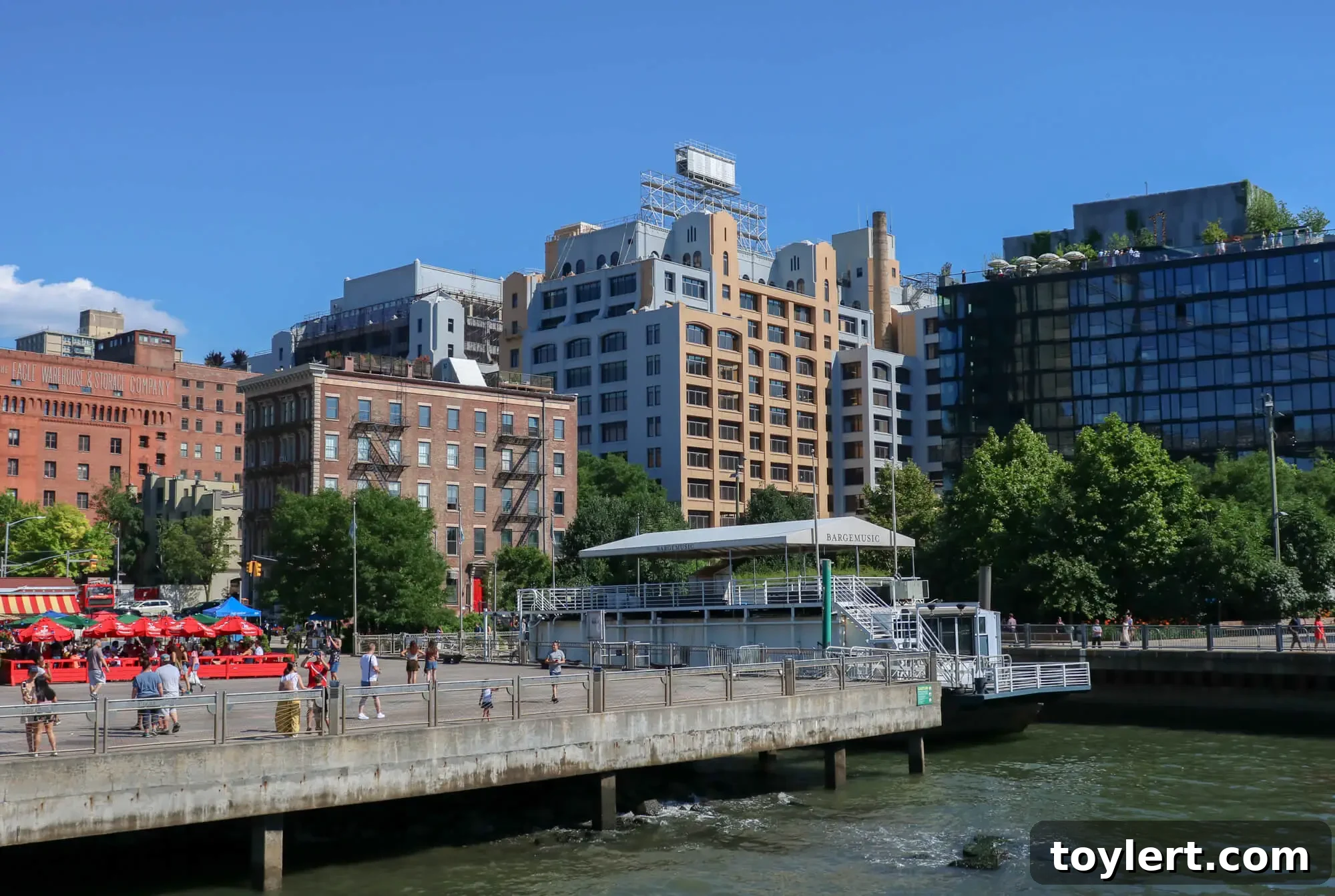
The distinctive skyline of Brooklyn Heights is undergoing a subtle yet profound transformation, as the familiar vibrant yellow of the former Jehovah’s Witnesses headquarters progressively gives way to a contemporary shade of gray. This repainting effort marks a significant visual shift for one of Brooklyn’s most recognizable waterfront complexes, signaling a new chapter for these historic structures and the dynamic neighborhood they inhabit. For decades, the iconic yellow hue served as an unmistakable beacon, defining a significant portion of the Brooklyn waterfront and making the complex a memorable landmark for residents and visitors alike. Now, as new ownership reimagines these colossal buildings, their exterior appearance is being meticulously updated to reflect a modern aesthetic, harmonizing with the evolving urban landscape of this prime real estate.
From Golden Glow to Urban Chic: The Architectural Metamorphosis Unfolds
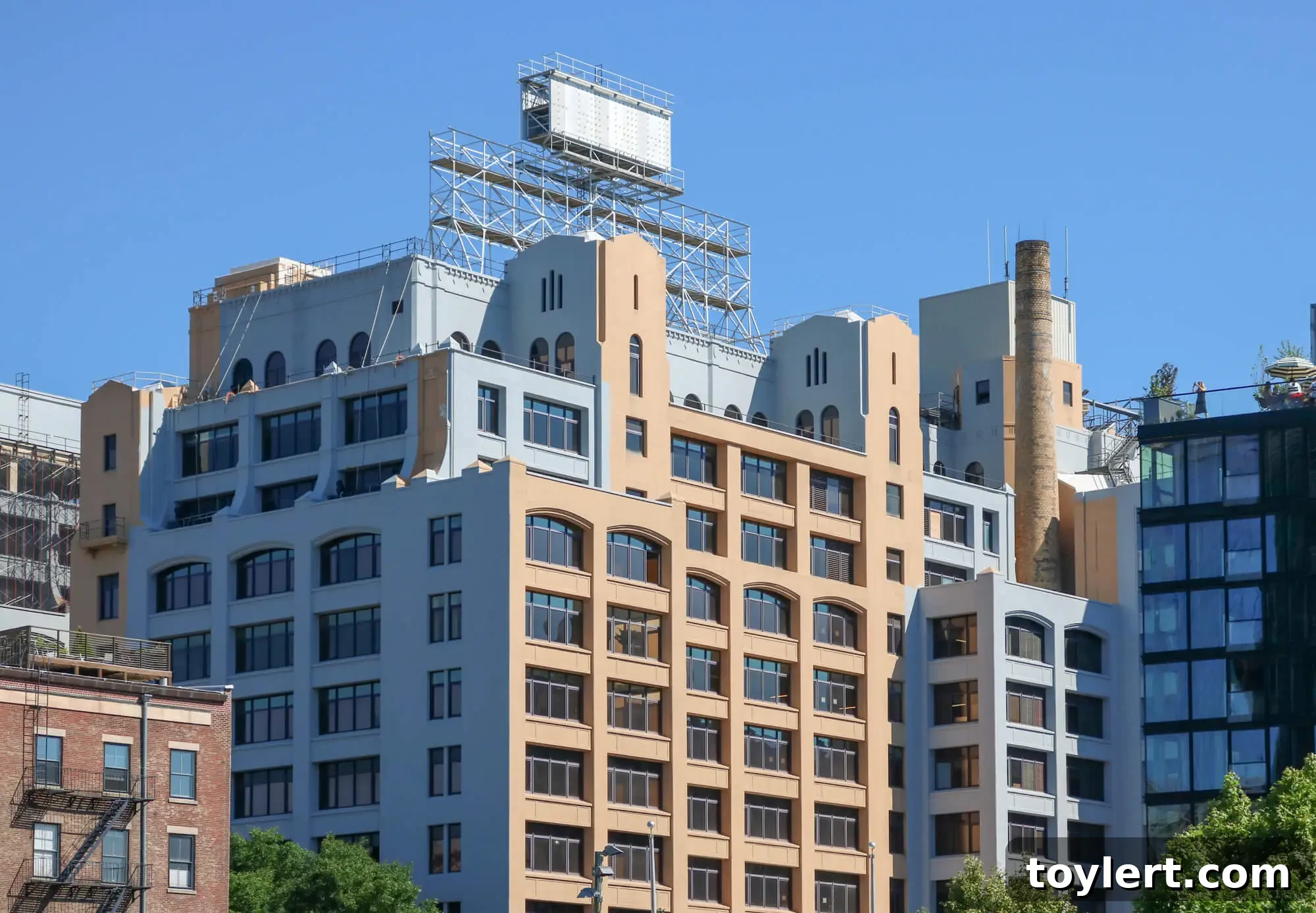
A recent observation from a ferry traversing the East River offered a compelling snapshot of this ongoing metamorphosis. Sections of the multi-building complex still proudly displayed their original yellow, a hue that for generations defined these structures and served as a visual anchor across the water. Yet, large portions are now cloaked in a subdued, sophisticated gray, creating a striking visual contrast and unmistakably foreshadowing the completed transformation. This strategic complex, encompassing structures at 25, 29, and 30 Columbia Heights, and extending to 51 and 67 Furman Street, has long commanded attention due to its imposing scale and unparalleled waterfront position. The change in color is far more than a mere aesthetic update; it’s a symbolic gesture, ushering these monumental structures into a new era of purpose, design, and integration within the revitalized Brooklyn waterfront. The careful transition from a vibrant, almost institutional yellow to a sleek, modern gray speaks volumes about the shifting identity and future aspirations for these historically significant buildings, positioning them firmly within Brooklyn’s contemporary luxury and commercial landscape.
The Vanishing Icon: The Watchtower Sign, A Fading Memory
While the buildings themselves undergo a sweeping visual overhaul, another highly iconic element of the complex has already become a poignant memory. The illuminated Watchtower sign, a veritable landmark that graced the Brooklyn Heights skyline for nearly half a century, was dismantled in December 2017. For countless generations, this prominent sign served not only as a navigational point for mariners on the East River but also as a familiar greeting for commuters entering or leaving Manhattan, and an enduring symbol of the Jehovah’s Witnesses’ long-standing and significant presence in the borough. Its bright red letters, which once cast a distinctive glow over the water, no longer shine, yet the skeletal framework that supported them steadfastly remains, standing as a silent, almost ghostly testament to a bygone era. The removal of this widely recognized sign was one of the earliest and most potent indicators of the profound changes destined for the entire complex, long before the first brushstroke of gray paint ever touched the extensive facades. Its disappearance marked a definitive end to an era, paving the way for new identities and new narratives to emerge on the Brooklyn waterfront.
A Century of Presence: Jehovah’s Witnesses in Brooklyn Heights
The history of the Jehovah’s Witnesses in Brooklyn Heights is a deeply interwoven narrative, stretching back to the early 20th century. Beginning in 1909, the organization established its world headquarters in this picturesque waterfront enclave, effectively making it their spiritual, administrative, and publishing heart for over a century. Their extensive real estate portfolio in the area grew to encompass numerous residential and commercial buildings, shaping a significant portion of the neighborhood’s architectural and social character. For decades, the yellow-painted buildings, along with the distinct Watchtower sign, were synonymous with the organization’s global outreach efforts and its tangible local community engagement. Their presence brought a unique dynamic to Brooklyn Heights, fostering a distinct social and economic ecosystem within the broader urban fabric of New York City. Thousands of dedicated volunteers and staff members lived and worked within these buildings, contributing significantly to the daily life, commerce, and unique atmosphere of the area. This prolonged and impactful residency made the Jehovah’s Witnesses a deeply ingrained part of Brooklyn’s identity, and their properties became well-known landmarks.
The decision by the Jehovah’s Witnesses to relocate their world headquarters to a purpose-built, expansive campus in Warwick, New York, represented a monumental and strategic shift. This multi-phase move, which was finalized between 2004 and 2017, ultimately left a substantial void in Brooklyn’s highly coveted prime real estate market. However, it also simultaneously paved the way for one of the largest and most anticipated redevelopment projects in recent memory, ushering in a new chapter for these iconic structures and the vibrant neighborhood surrounding them. The departure marked not an ending, but a new beginning for an entire section of the Brooklyn waterfront.
The Dawn of a New Era: Redevelopment and Revitalization on the Waterfront
The departure of the Jehovah’s Witnesses created an unprecedented opportunity for prominent developers to acquire and reimagine a vast expanse of prime Brooklyn waterfront property. The sprawling complex at Columbia Heights and Furman Street, affectionately and historically referred to as the “Watchtower buildings,” was ultimately purchased by a consortium of leading real estate firms. This powerful group included entities such as Kushner Companies, CIM Group, and LIVWRK, signaling a serious commitment to a high-profile transformation. Their ambitious vision for the site, now frequently marketed under aspirational names like “Panorama” or “Watchtower Development,” aims to meticulously transform these former administrative and residential blocks into a vibrant, modern mixed-use destination. The detailed plans include the creation of ultra-luxury residential units that promise unparalleled, sweeping views of the Manhattan skyline, the majestic Brooklyn Bridge, and the iconic Statue of Liberty. Alongside these residences, cutting-edge office spaces are being designed to attract leading tech companies and creative industries, while expansive ground-floor retail spaces will significantly enhance the pedestrian experience and invigorate street life.
This ambitious redevelopment aligns perfectly with the broader revitalization efforts that have been transforming the entire Brooklyn waterfront, particularly in adjacent DUMBO (Down Under the Manhattan Bridge Overpass). In DUMBO, former industrial buildings have been masterfully repurposed into trendy lofts, world-class art galleries, and bustling commercial hubs, creating a dynamic and desirable urban environment. The anticipated influx of new residents, innovative businesses, and high-end amenities is poised to further reshape the economic and social landscape of Brooklyn Heights, integrating it more fully into Brooklyn’s rapidly expanding luxury market. This comprehensive transformation is a testament to Brooklyn’s magnetic appeal as a global city, attracting both substantial investment and top-tier talent, while continuously redefining its urban identity.
The Symbolism of Color: From Distinctive Yellow to Contemporary Gray
The deliberate choice to repaint these historically significant buildings from their long-standing, vibrant yellow to a more contemporary gray is far more than a simple aesthetic update; it carries profound symbolic weight and communicates a clear shift in identity. For many decades, the bright yellow hue served as an immediate and unmistakable identifier for the Jehovah’s Witnesses’ world headquarters. It was a color that truly stood out, asserting a distinct institutional identity against the more muted and traditional tones of surrounding New York City architecture. Subconsciously, this striking color may have conveyed a sense of warmth, uniqueness, and perhaps even the organization’s particular “light” or presence in the world, making the buildings instantly recognizable from afar.
The transition to gray, however, tells a distinctly different and modern narrative. Gray is universally associated with sophistication, modernity, neutrality, and a sleek, minimalist urban aesthetic. It strongly suggests an intention for these buildings to seamlessly integrate into the contemporary cityscape, shedding their former institutional specificities and embracing a more universal, high-end residential and commercial appeal. This color shift reflects a deliberate and strategic move towards a design philosophy that prioritizes understated elegance, timelessness, and broad market appeal, perfectly aligning with the luxury residential and commercial segments it now targets. Essentially, the gray repaint is a powerful visual representation of the buildings being stripped of their former purpose and identity, and subsequently reclothed with a new, aspirational, and commercially viable persona designed for the 21st century Brooklyn. It marks a definitive break with the past and a clear embrace of the future vision for this iconic complex.
Brooklyn Heights: A Neighborhood in Dynamic Transition
Brooklyn Heights has long been celebrated for its timeless charm, characterized by historic brownstones, picturesque tree-lined streets, and unparalleled views from its famous promenade. The dramatic transformation of the former Watchtower complex serves as a compelling microcosm of a broader narrative of change unfolding within this venerable neighborhood. While many residents passionately cherish the area’s rich historical charm and architectural integrity, the undeniable economic pressures of a rapidly growing and evolving city inevitably bring forth new developments and challenges. The delicate balance for Brooklyn Heights, much like other historic districts across New York City, lies in harmonizing thoughtful preservation with progressive development.
The former Watchtower buildings represent a pivotal piece of this ongoing puzzle. Their comprehensive conversion into luxury residences and modern office spaces will undoubtedly usher in a new wave of residents and businesses, further driving up property values and diversifying the demographic tapestry of the area. This substantial influx contributes significantly to Brooklyn’s burgeoning status as a global destination, attracting both significant investment and top-tier talent from around the world. However, this progress also raises important questions about affordability, gentrification, and the vital preservation of local character and community identity. The striking gray repaint, therefore, is not merely about a few buildings changing color; it is a profound visual manifestation of Brooklyn Heights’ continuous and dynamic evolution. It acts as a powerful visual cue to the intricate interplay between its rich, storied past and its vibrant, ever-changing future. Ultimately, this transformation encapsulates the very essence of urban renewal, where venerable old forms are meticulously imbued with exciting new functions, and where the iconic skyline itself becomes a living, breathing canvas for inevitable progress and reinvention.