Lefferts Historic House: Unearthing Brooklyn’s Complex Past in Prospect Park
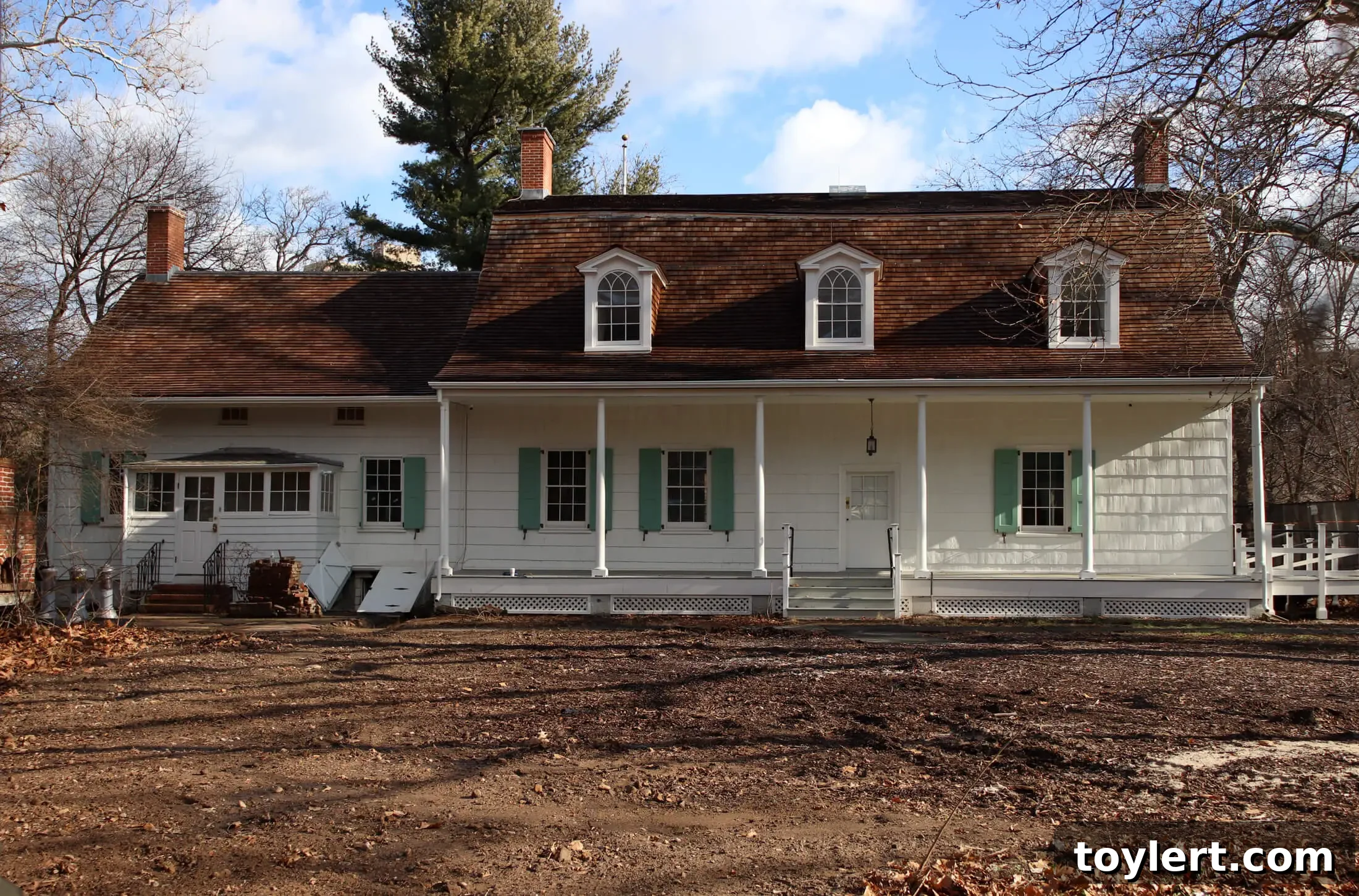
Nestled within the vibrant landscape of Prospect Park, the 18th-century Lefferts Historic House stands as a testament to Brooklyn’s profound and often complex past. Since its relocation to the park in 1918, this remarkable Dutch Colonial farmstead has served as a window into a bygone era. Today, it is at the forefront of a significant transformation, not only through meticulous exterior restoration but also via a groundbreaking initiative focused on reinvigorating its museum experience and broadening the historical narratives it shares with the public.
This ambitious endeavor, known as the ReImagine Lefferts Initiative, is redefining how historic sites engage with their past. At its core, it seeks to illuminate previously understated or overlooked chapters of history associated with the house and its surrounding lands. Community members are actively invited to participate in this journey of discovery, attending special programs designed to reveal what extensive research has uncovered about the indigenous history of the area and the challenging legacy of enslavement linked to the Lefferts family and their property.
These engaging programs offer a unique opportunity for direct involvement. Participants can attend insightful presentations from historians and researchers, delve into creative workshops that offer new ways to interact with the past, and critically, provide invaluable feedback. This community-driven approach ensures that the interpretation of history at Lefferts Historic House is not only accurate and comprehensive but also resonant and relevant to contemporary audiences, fostering a deeper connection to Brooklyn’s layered heritage.
A Legacy Reimagined: Beyond the Surface of History
The Lefferts Historic House, originally built in 1783 by Pieter Lefferts, represents a significant piece of Flatbush’s Dutch Colonial past. Its story, however, is far more intricate than just that of a prominent farming family. The ReImagine Lefferts Initiative bravely confronts the difficult truths embedded within the site’s history, notably the reality of chattel slavery that supported the Lefferts’ agricultural endeavors and the displacement of the indigenous Lenape people who were the original stewards of this land.
This commitment to a more inclusive historical narrative is essential for any modern museum. By actively researching and presenting these stories, the Lefferts Historic House is evolving from a traditional snapshot of colonial life into a dynamic space for critical inquiry, empathy, and education. It acknowledges that history is multi-faceted, often uncomfortable, and always interconnected. The initiative’s goal is to ensure that the voices and experiences of all those connected to the house – whether they were landowners, enslaved individuals, or the original inhabitants of the land – are given due recognition and respect.
Uncovering Hidden Histories: Indigenous Roots and the Legacy of Enslavement
A crucial aspect of the ReImagine Lefferts Initiative involves dedicated research into the indigenous heritage of the land now known as Prospect Park. Before European settlement, this area was part of Lenapehoking, the ancestral homeland of the Lenape people. Understanding their long and rich history, their relationship with the land, and the impact of colonization is vital to providing a complete historical context for the house and the park. This exploration enriches our understanding of the profound changes that have shaped Brooklyn over centuries.
Equally critical is the comprehensive examination of the Lefferts family’s role in the institution of slavery. Historical records often reveal that many prominent colonial families in New York were slaveholders, and the Lefferts family was no exception. The initiative delves into archival documents, genealogical records, and other historical sources to identify the enslaved individuals who lived and labored at the Lefferts farm. By bringing these names and stories to light, the museum aims to restore dignity to those who were denied their freedom and to educate visitors about the pervasive nature of slavery in early American society, even in the North.
This commitment to transparency and truth-telling transforms the house from a mere architectural relic into a powerful platform for discussing social justice, human rights, and the enduring legacies of historical injustices. It encourages visitors to grapple with uncomfortable truths, fostering a deeper, more nuanced appreciation of history’s impact on contemporary society.
The Extensive Restoration: Preserving the Past, Preparing for the Future
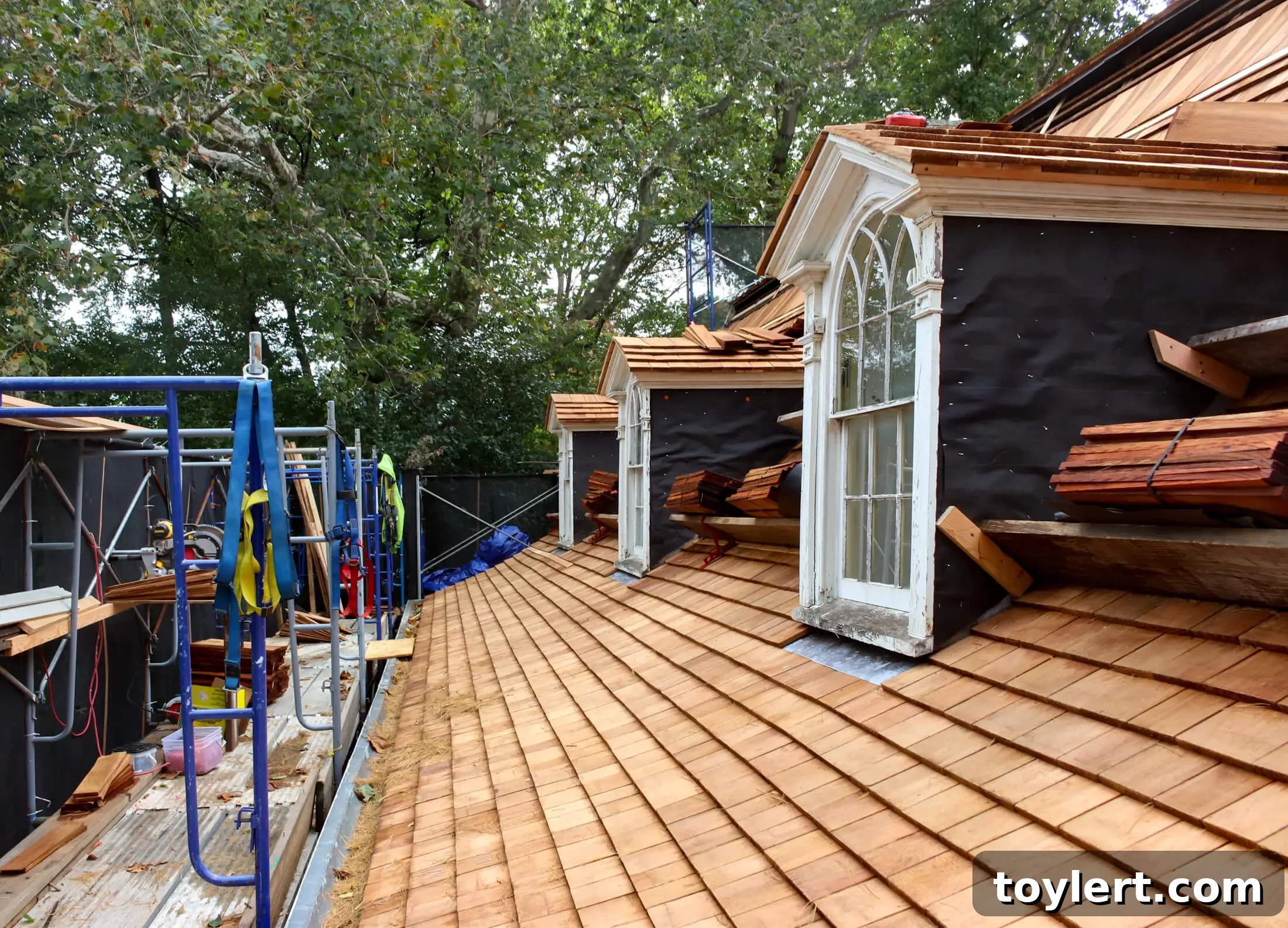
While the profound work of historical reinterpretation unfolds indoors, a substantial physical restoration project has been underway on the exterior of the Lefferts Historic House. The scaffolding, a familiar sight for park-goers during this period of extensive work, has now been removed, revealing a refreshed exterior. This visible progress is part of a larger, multi-phase undertaking, a significant $2.5 million dollar project dedicated to preserving the structural integrity and historical accuracy of the 18th-century structure.
The restoration encompasses far more than just aesthetic improvements. Critical elements addressed include the complete overhaul of the roof, ensuring its longevity and protection against the elements, and extensive work on the exterior façade to stabilize the historic fabric of the building. Furthermore, significant attention is being paid to modernizing drainage systems around the property and implementing sensitive landscape improvements. These vital infrastructure upgrades are crucial for safeguarding the house for future generations, preventing water damage, and ensuring the grounds are both historically appropriate and accessible.
Despite the visible progress on the exterior, the interior of the Lefferts Historic House is not yet ready to welcome back visitors. The work required to transform it into a fully functional and engaging historic house museum and community gathering space is ongoing. This internal phase involves careful conservation of historic elements, thoughtful redesigns to accommodate new interpretive exhibits, and the creation of flexible spaces that can host workshops, lectures, and community events. The meticulous nature of this work ensures that when the house reopens, it will offer a truly immersive and educational experience that thoughtfully integrates its complex past with its vibrant future.
Community at the Core: Shaping the Narrative Together
The success of the ReImagine Lefferts Initiative hinges on robust community engagement. It recognizes that the stories told within its walls are not just for the community but should also be shaped by the community. By inviting local residents, descendants of the Lefferts family, descendants of enslaved individuals, and members of indigenous communities to participate in the research, interpretation, and programming processes, the initiative fosters a sense of collective ownership and shared responsibility for history.
Feedback sessions are integral to this collaborative approach. These gatherings allow the public to react to new research findings, critique proposed interpretive strategies, and suggest themes or stories they believe are important to include. This democratic process ensures that the Lefferts Historic House evolves into a truly representative institution, reflecting the diverse perspectives and histories of Brooklyn’s rich tapestry of cultures.
Through workshops, oral history projects, and public forums, the house aims to become more than just a place where history is presented; it strives to be a place where history is actively created and debated. This innovative model positions the Lefferts Historic House as a leader in contemporary museum practice, demonstrating how historical institutions can remain relevant and vital in a rapidly changing world by embracing inclusivity and dialogue.
A Vision for the Future: An Inclusive Hub for Learning and Reflection
The ultimate vision for the Lefferts Historic House is to transform it into an indispensable community resource within Prospect Park. Once reopened, it will serve as a dynamic center for learning, dialogue, and reflection, drawing visitors from Brooklyn and beyond. Beyond its role as a museum, it is envisioned as a vibrant hub where people can gather, connect, and explore the intricate threads of American history.
Future programming will likely include a wide array of educational offerings, from interactive exhibits designed for schoolchildren to academic lectures for history enthusiasts. There will be dedicated spaces for art installations, performances, and public discussions that creatively engage with the house’s themes. The ReImagine Lefferts Initiative’s emphasis on indigenous history and the legacy of enslavement will be woven into every aspect of the visitor experience, ensuring that these crucial narratives are consistently foregrounded.
This revitalization signifies a broader trend in historic preservation: moving beyond mere aesthetic conservation to a deeper, more ethical engagement with the past. The Lefferts Historic House, with its ambitious restoration and bold interpretive framework, is poised to become a powerful model for other historical sites seeking to embrace their full, complex histories. It stands as a beacon of progress in cultural preservation, demonstrating that by confronting the past head-on, we can build a more understanding and equitable future for all.