Waverly Avenue’s Future: Exploring the One-Way Street Conversion Proposal in Brooklyn
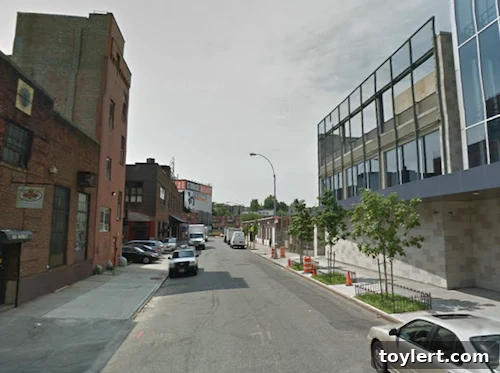
The dynamic streetscapes of Brooklyn are constantly evolving, driven by community needs, safety concerns, and the pursuit of efficient urban living. A significant discussion currently underway centers on Waverly Avenue, a vital artery weaving through the vibrant neighborhoods of Clinton Hill and Fort Greene. Specifically, a compelling petition has emerged, advocating for the conversion of a crucial section of Waverly Avenue to a one-way street. This initiative, recently brought before Community Board Two’s Transportation Committee, seeks to reimagine traffic flow and enhance the safety and functionality of an already bustling corridor. The current configuration of Waverly Avenue presents a unique challenge: it operates as a southbound one-way street until it reaches Fulton Street, at which point it transitions into a two-way thoroughfare extending down to Atlantic Avenue. This proposed change aims to standardize the street’s flow, addressing long-standing concerns from local residents and businesses.
The Genesis of the Proposal: Community Concerns and Safety on Waverly Avenue
The catalyst for this proposed transformation comes from a concerned parent associated with the First Endeavor Charter School. Situated strategically on the affected block, nestled between Fulton Street and Atlantic Avenue, the school’s daily operations are directly impacted by the current street layout. The parent, spearheading this community-driven petition, emphasizes the inherent difficulties posed by the narrowness of Waverly Avenue, particularly in its two-way section. This segment of the street, while serving as a direct route, often experiences congestion, intricate parking challenges, and potential hazards for pedestrians, especially during school drop-off and pick-up times.
The argument for conversion extends beyond the immediate vicinity of the school. Waverly Avenue is a mixed-use street, home to a diverse array of commercial businesses, residential buildings, and community spaces. The proponents believe that a one-way conversion would bring substantial benefits to all stakeholders. Streamlined traffic patterns could alleviate congestion, make deliveries easier for local businesses, and most importantly, create a safer environment for children, families, and pedestrians navigating the street daily. The petition highlights the belief that a consistent one-way flow would minimize conflict points between opposing traffic, reduce illegal parking maneuvers often seen as drivers seek to avoid oncoming vehicles, and ultimately foster a calmer, more predictable urban environment.
Navigating Urban Change: The Role of Community Board Two and the DOT
Upon reviewing the petition and hearing the compelling arguments, Community Board Two recognized the merit of the proposal. As a crucial interface between local residents and city agencies, the Community Board’s role is to assess community needs and provide recommendations to the relevant municipal departments. In this instance, the Board has formally recommended that the New York City Department of Transportation (DOT) conduct a comprehensive feasibility study for the proposed one-way conversion of Waverly Avenue. This recommendation underscores the Board’s understanding of the complexities involved in urban planning and traffic management, emphasizing the need for data-driven decisions.
The collaboration between the community and city agencies is paramount. The First Endeavor Charter School, as a key stakeholder, is actively in communication with the DOT, ensuring that community concerns are directly conveyed and integrated into the initial assessment phase. If the DOT’s extensive analysis concludes that the street change is indeed practical, beneficial, and aligns with broader urban planning objectives, they will then return to the Community Board’s transportation committee to formally present their findings and a detailed proposal. This iterative process allows for transparent communication, expert evaluation, and collective decision-making, ensuring that any proposed changes serve the best interests of the community while adhering to established urban planning principles.
What Does a DOT Feasibility Study Involve?
A DOT feasibility study is a rigorous, multi-faceted process designed to thoroughly evaluate the potential impacts and practicalities of significant street alterations. For the Waverly Avenue proposal, the study would meticulously examine several critical aspects:
- Traffic Volume and Pattern Analysis: Extensive data collection on current traffic counts, peak hour volumes, existing speeds, and turning movements in both the affected section and surrounding streets.
- Pedestrian and Cyclist Safety Assessment: Evaluation of pedestrian crossings, sidewalk widths, existing accident data, and potential improvements for vulnerable road users. This includes considering how a one-way conversion might create opportunities for dedicated bike lanes or wider pedestrian zones.
- Parking Utilization Review: Analysis of current parking availability, demand, and how a conversion might affect on-street parking capacity and usage for residents and businesses.
- Emergency Services Access: Ensuring that the proposed change does not impede access for fire trucks, ambulances, and police vehicles, which is a non-negotiable aspect of street design.
- Environmental Impact: Assessment of potential changes in air quality, noise levels, and localized traffic emissions due to altered traffic flow.
- Impact on Adjacent Streets: Modeling how traffic might be redistributed to neighboring streets and ensuring that this redistribution does not create new problems elsewhere in the network.
- Cost-Benefit Analysis: Estimation of the costs associated with new signage, signalization changes, pavement markings, and potential curb adjustments, weighed against the anticipated benefits to safety, efficiency, and quality of life.
- Community Feedback Integration: While not the primary data collection, the study will also factor in the expressed needs and concerns from the community, as articulated through petitions and public hearings.
The Case for One-Way Streets: Benefits for Urban Corridors
The debate over one-way versus two-way streets is a longstanding one in urban planning. However, in certain contexts, particularly on narrow or high-volume streets, converting to a one-way system can offer a host of significant advantages that enhance overall urban functionality and livability. The Waverly Avenue proposal falls into this category, aiming to leverage these benefits for the Brooklyn community.
Enhancing Traffic Flow and Reducing Congestion
One of the most immediate and tangible benefits of a one-way street conversion is the potential for dramatically improved traffic flow. By eliminating opposing traffic streams, conflict points are significantly reduced. This allows for more efficient signal timing, fewer left-turn delays, and generally smoother movement of vehicles. On a street like Waverly Avenue, where the current two-way section often experiences bottlenecks due to its narrow profile and simultaneous demands for parking and through-traffic, a one-way system could unlock a more consistent and predictable flow, reducing frustrating stop-and-go conditions. This, in turn, can decrease travel times for drivers and even improve public transit reliability if buses operate on the street.
Prioritizing Pedestrian and Cyclist Safety
Beyond vehicular efficiency, a paramount concern in modern urban planning is the safety of vulnerable road users: pedestrians and cyclists. One-way streets inherently offer several safety advantages. With traffic moving in a single direction, pedestrians only need to look one way for oncoming vehicles when crossing the street, simplifying their cognitive load and reducing the risk of accidents. Furthermore, the elimination of opposing traffic often creates opportunities to reallocate street space. This could mean wider sidewalks, dedicated bicycle lanes, or even sidewalk extensions (bulb-outs) at intersections, all of which contribute to a safer, more pleasant environment for walking and cycling. For the First Endeavor Charter School, this aspect is particularly critical, as it directly addresses the safety of children navigating the street during busy school hours.
Improving Parking and Local Business Accessibility
For local businesses and residents, parking is often a perennial challenge in dense urban areas. One-way streets can sometimes facilitate more efficient parking arrangements. Without the need to accommodate two lanes of traffic plus parking, designers might have greater flexibility to optimize parking spaces, potentially even creating angled parking where only parallel parking was previously possible. Moreover, a more predictable and less congested traffic flow can indirectly benefit local businesses by making them more accessible and less stressful to visit. Customers are more likely to stop if they perceive less hassle with traffic and parking, potentially boosting local commerce along Waverly Avenue. Deliveries for businesses can also become more efficient, reducing disruptions and improving logistical operations.
Noise Reduction and Quality of Life
The constant hum of traffic, punctuated by honking horns and braking vehicles, significantly contributes to urban noise pollution. By streamlining traffic flow and reducing congestion, one-way streets can lead to a noticeable reduction in ambient noise levels. Fewer instances of accelerating and decelerating, coupled with smoother movement, create a quieter environment. This improvement in the quality of life can have a profound positive impact on residents, particularly those living directly on Waverly Avenue, by fostering a more peaceful and livable streetscape. For schools like First Endeavor Charter, a quieter street environment can also positively influence the learning atmosphere.
Potential Challenges and Comprehensive Planning
While the benefits of one-way conversions are compelling, it is equally important for a thorough feasibility study to acknowledge and address potential challenges. Urban planning is an exercise in balancing competing needs, and a successful conversion requires careful mitigation of any negative impacts.
Addressing Increased Speed and Navigation Issues
One common concern with one-way streets is the potential for drivers to increase their speed due to the lack of oncoming traffic. This can paradoxically reduce safety if not managed effectively. The DOT study would need to incorporate traffic calming measures if this risk is identified, such as strategic placement of speed bumps, tighter turning radii at intersections, or enhanced pedestrian crossings. Additionally, drivers accustomed to the current two-way flow might initially experience some confusion or take longer routes to reach their destinations, requiring clear signage and adequate time for adaptation.
Impact on Local Access and Delivery Routes
For residents living directly on Waverly Avenue, particularly those accustomed to accessing their homes from both directions, a one-way conversion could necessitate minor adjustments to their driving patterns. Delivery services, ride-shares, and even emergency vehicles might need to modify their routes, which could, in some specific instances, result in slightly longer travel times. The feasibility study would analyze these specific impacts on local access and ensure that any new routing does not create undue burdens or accessibility issues for critical services.
Implementation Costs and Community Engagement
Implementing a street conversion involves various costs, including new signage, traffic signal modifications, road markings, and potentially even curb adjustments or infrastructure upgrades. The DOT’s proposal would need to outline these costs and identify funding sources. Crucially, successful urban projects require robust community engagement beyond the initial petition. Public hearings and workshops would provide additional platforms for residents, businesses, and other stakeholders to voice their opinions, concerns, and suggestions, ensuring that the final plan is a result of collaborative effort and wide-ranging consensus. This process helps to build trust and ensure that the conversion genuinely reflects the community’s desires.
Waverly Avenue: A Unique Brooklyn Context
Waverly Avenue is more than just a thoroughfare; it is an integral part of Brooklyn’s rich tapestry. Situated between the historic brownstones of Clinton Hill and the vibrant cultural landscape of Fort Greene, it serves a diverse community. The street itself is characterized by a mix of historic residential buildings, new developments, small businesses, and community institutions like the First Endeavor Charter School. Its current two-way section, particularly south of Fulton Street, often feels like a narrow canyon amidst the urban density, making the proposed change especially relevant. The neighborhood values its walkability, its local character, and the balance between urban energy and residential tranquility. Any change to a key street like Waverly Avenue must therefore be considered within this broader context, ensuring it enhances, rather than detracts from, the unique charm and functionality of these beloved Brooklyn communities. The success of the conversion hinges on its ability to integrate seamlessly into this existing urban fabric, supporting the local economy and improving the quality of life for its residents.
The Future of Waverly Avenue: A Collaborative Vision
The proposal for converting Waverly Avenue to a one-way street represents a proactive approach to urban planning, driven by the immediate needs of a local school community and the broader desire for a safer, more efficient streetscape. It underscores the critical role of grassroots activism, community boards, and expert municipal agencies working in concert to shape the future of our cities. The journey from a community petition to a potential street transformation is complex, but it is a testament to the democratic process inherent in New York City’s urban development.
What Happens Next?
Following the completion of the Department of Transportation’s comprehensive feasibility study, the next critical steps will unfold:
- Presentation to Community Board Two: The DOT will present its detailed findings, including traffic analyses, environmental assessments, cost estimates, and recommended design options, back to the Community Board’s Transportation Committee.
- Public Hearings: The proposal will then likely be put forth for broader public hearings, allowing all residents, business owners, and interested parties to review the plan, ask questions, and offer formal feedback. This ensures transparency and inclusivity in the decision-making process.
- DOT’s Final Decision: Based on the feasibility study, community input, and alignment with city-wide transportation goals, the DOT will make a final determination on whether to proceed with the conversion and, if so, the specific design and implementation plan.
- Implementation: If approved, the project will move into the implementation phase, involving signage changes, signal adjustments, new pavement markings, and any necessary infrastructure modifications.
Ultimately, the proposed Waverly Avenue one-way conversion is more than just a traffic management decision; it’s a reflection of a community striving for a better quality of life. By balancing the goals of enhanced safety, streamlined traffic, and robust community engagement, Brooklyn can ensure that Waverly Avenue continues to serve as a thriving, accessible, and safe corridor for generations to come, embodying the collaborative spirit of urban progress.