The Enduring Charm: A Comprehensive Guide to Decorating and Renovating Old Houses
Delving into the timeless appeal of historic homes and the art of breathing new life into them.
Old houses possess an undeniable allure, a whisper of stories from generations past etched into their very foundations. For many, the dream of owning and restoring one of these architectural treasures is a deeply personal journey, a blend of passion for history, craftsmanship, and design. This guide explores the intricate world of decorating and renovating old houses, offering insights, tips, and inspiration to help you transform a piece of history into a cherished modern home, all while preserving its unique character and charm.
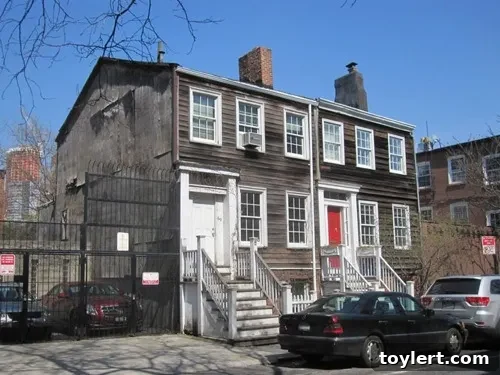
Embracing the Legacy: Why Old Houses Captivate Us
There’s a distinct magic to old houses that modern constructions often struggle to replicate. From the grandeur of Victorian mansions to the humble elegance of a craftsman bungalow, each historic home tells a unique tale. Their enduring appeal lies in several key factors: superior craftsmanship, often featuring hand-carved details, robust materials like old-growth timber, and a sense of architectural integrity rarely found today. Furthermore, old houses frequently reside in established neighborhoods, boasting mature trees, walkable streets, and a strong community feel. The prospect of uncovering hidden gems – original fireplaces, intricate moldings, or antique fixtures – adds an exciting layer to the renovation process, making it a true treasure hunt and a journey of discovery.
First Steps: Laying the Foundation for a Successful Renovation
Before you even pick up a paintbrush, a thorough understanding of your old house’s condition and history is paramount. The initial phase is critical for setting realistic expectations and avoiding costly surprises down the line. Proper planning during this stage can save significant time and money throughout the project.
1. Comprehensive Inspection is Key
Unlike newer homes, old houses often come with unique structural and systemic quirks. Investing in a specialized old-house inspection, preferably by an inspector experienced with historic properties, is crucial. They can identify potential issues such as foundation problems, outdated electrical wiring, inefficient plumbing, or signs of asbestos and lead paint, which are common in older structures. Understanding these challenges upfront allows for proper budgeting and planning, ensuring safety and compliance with modern standards.
2. Researching Your Home’s History and Local Regulations
Every old house has a story. Delve into its past: who built it, when, and what architectural style defines it? This research can be invaluable for sympathetic renovations that honor the home’s original design intent. Equally important is understanding local historical society guidelines and zoning regulations. Many historic districts have strict rules regarding exterior modifications, material choices, and even interior alterations. Compliance is not optional and can significantly influence your design decisions, making early investigation essential.
3. Defining Your Vision and Budget
What do you want your old house to become? A meticulous historical restoration, a thoughtful blend of old and new, or a complete modernization while retaining core character? Your vision will guide every decision, from material selection to contractor choice. Simultaneously, establish a realistic budget, remembering that renovating old houses almost always costs more and takes longer than initially anticipated. Allocate a substantial contingency fund (20-30% of your total budget) for unforeseen issues, as they are a common occurrence in older properties.
Navigating the Renovation Journey: From Structure to Style
Renovating an old house involves a delicate balance between preserving its heritage and adapting it for modern living. Here are key areas to focus on for a successful transformation:
Structural Integrity and Essential Systems
Prioritize foundational elements. This includes ensuring the roof is sound and watertight, the foundation is stable and free from major cracks, and the walls are structurally secure. Next, address the vital organs of the house: plumbing, electrical, and HVAC systems. Upgrading these systems is crucial for safety, efficiency, and comfort, often requiring significant investment. The goal is modernization without damaging historical fabric; for instance, opting for discreet radiant heating or carefully planned ductwork that doesn’t compromise original architectural details.
Windows and Doors: Eyes and Entryways to History
Original windows and doors are often beautifully crafted but can be inefficient in terms of energy performance. The decision to restore or replace is complex. Restoration preserves architectural authenticity and can be surprisingly energy-efficient when done correctly (e.g., adding interior storm windows, meticulous weather-stripping). If replacement is necessary due to irreparable damage, choose historically appropriate designs and materials that complement the home’s era and style, maintaining its curb appeal and character.
Flooring: The Groundwork of Character
Original hardwood floors are a treasure and a hallmark of many old homes. Refinishing them can reveal stunning grain and patina, adding warmth and authenticity. If floors are beyond repair, consider salvaging wood from other parts of the house or sourcing reclaimed materials to maintain a consistent aesthetic. For areas like kitchens and bathrooms, period-appropriate tiles (such as subway or hexagonal patterns) or natural stone can enhance the historical feel while offering modern durability and ease of maintenance.
Kitchens and Bathrooms: Modern Comfort in Historic Settings
These are often the most renovated spaces in an old house, as they demand modern functionality. The challenge is to integrate contemporary appliances and fixtures without sacrificing the home’s character. Consider classic cabinetry styles, vintage-inspired fixtures (like clawfoot tubs or bridge faucets), and materials such as marble, subway tile, or soapstone that evoke a sense of timelessness. Smart layouts can improve functionality and flow while respecting existing structural elements and the overall historical context of the home.
The Art of Decorating: Blending Past and Present
Once the major renovations are complete, decorating allows you to infuse your personality while honoring the home’s spirit. The goal is to create a cohesive design that feels both historically sensitive and comfortably contemporary, creating a space that feels uniquely yours.
Color Palettes and Wall Treatments
Historically accurate color palettes can be beautiful, but don’t feel constrained to strictly follow them. Modern tastes often lean towards lighter, airier spaces. Consider a blend: use richer, deeper tones in formal rooms and lighter, neutral shades in living areas. Wallpaper, especially in period-appropriate patterns, can add significant character and depth. Don’t forget the power of good paint to highlight architectural details like crown molding, intricate trim, or original wainscoting.
Furniture: A Dialogue Between Eras
Mixing antique or vintage pieces with contemporary furniture creates depth and interest, preventing a room from feeling like a museum. A classic Chesterfield sofa alongside a modern glass coffee table, or an antique dresser serving as a stylish bathroom vanity, exemplifies this approach. Each piece should tell a story and contribute to the overall narrative of the space, creating a layered and sophisticated interior.
Lighting: Illuminating History and Mood
Lighting is crucial for setting the mood and highlighting architectural features. Incorporate a mix of ambient, task, and accent lighting to create versatile atmospheres. Vintage chandeliers, sconces, and floor lamps can provide period charm, while modern recessed lighting or minimalist fixtures can offer functional brightness where needed. Dimmers are your best friend for fine-tuning the ambiance in any room.
Textiles and Textures: Adding Warmth and Comfort
Fabrics can significantly impact the feel of a room. Rich velvet, luxurious linen, delicate silk, and cozy wool can add texture, warmth, and a sense of opulence. Layering rugs, throws, and curtains not only enhances comfort but also provides opportunities for introducing color and pattern. Choose textiles that complement the architectural style and your personal aesthetic, creating a harmonious and inviting environment.
Outdoor Spaces: Extending the Charm and Functionality
Don’t overlook the exterior and surrounding landscape. Restoring original landscaping elements, updating porches with period-appropriate railings, and selecting exterior paint colors and lighting fixtures that match the home’s era can significantly boost curb appeal and functionality. Create outdoor living areas that blend seamlessly with the home’s historical context, offering extensions of your indoor living space.
Challenges and Rewards: The Old House Journey
Renovating and decorating an old house is not without its challenges. Unforeseen structural issues, potential budget overruns, and the sheer complexity of working with older structures can be daunting. Patience, flexibility, and a sense of humor are essential. However, the rewards are immense. The satisfaction of preserving a piece of history, creating a truly unique home filled with character, and living in a space that tells a story is unparalleled. It’s an investment not just in real estate, but in heritage, craftsmanship, and a lifestyle rich in depth and authenticity.
Sustainability and the Future of Old Homes
Old houses are inherently sustainable. They represent existing embodied energy and resources, meaning the energy already expended in their construction. Renovating them prevents demolition waste and the need for new construction materials, reducing environmental impact. Furthermore, many old houses can be made highly energy-efficient through smart upgrades like insulation, efficient windows, and modern HVAC systems, contributing to a greener future without sacrificing their historical integrity or charm. This makes old home renovation an environmentally responsible choice.
Finding the Right Partners for Your Project
The success of your old house project hinges significantly on your team. Seek out architects, contractors, and designers who specialize in historic properties. Their expertise in period architecture, restoration techniques, and navigating preservation guidelines will be invaluable. Don’t shy away from asking for portfolios of past old-house projects, checking references thoroughly, and ensuring they share your vision for respecting the home’s heritage while bringing it into the modern era.
The journey of renovating and decorating an old house is a labor of love, a continuous dialogue between past and present. It’s about respecting the craftsmanship of yesteryear while infusing modern comfort and personal style. By approaching it with patience, thorough research, and a clear vision, you can transform a historic house into a timeless home that will be cherished for generations to come, standing as a testament to enduring beauty and thoughtful stewardship.