Broadway Junction Redevelopment: Balancing Growth and Community in East New York
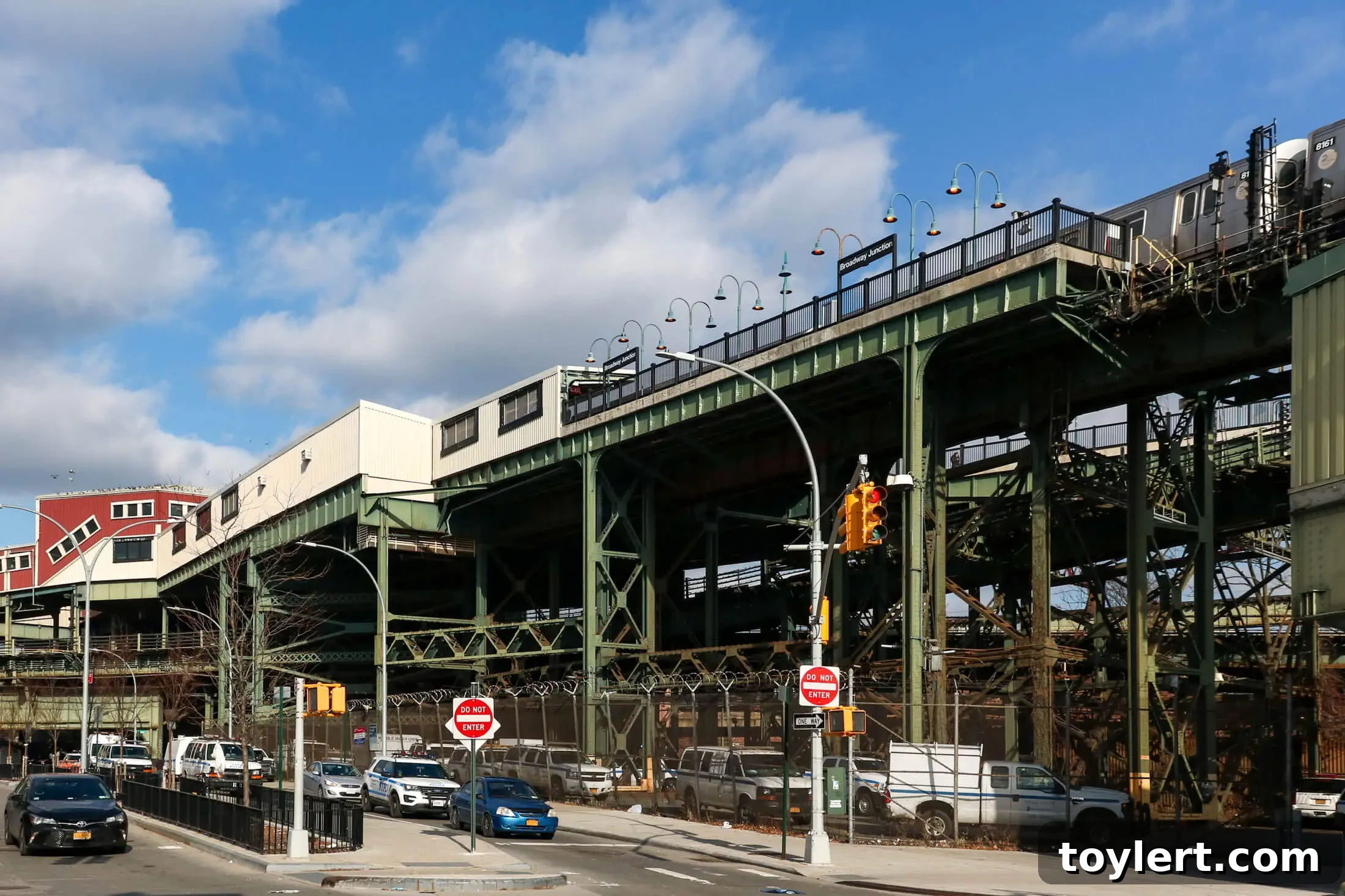
Broadway Junction, a vital but historically overlooked transit hub in East New York, Brooklyn, stands at the precipice of significant transformation. For years, this sprawling intersection has been recognized as a prime location ripe for revitalization, yet it has largely remained underutilized and, to many, a symbol of urban blight. Now, an ambitious proposal from a Brooklyn-based developer aims to convert this neglected area into a vibrant, mixed-use commercial and residential center. The plan envisions striking residential towers, some soaring up to 24 stories, integrated with commercial spaces, promising a new era of development for East New York. This initiative, championed by the Totem Group, seeks to introduce a substantial number of affordable housing units, potentially reshaping the landscape and socioeconomic fabric of a neighborhood that has long sought meaningful investment.
The proposed development at Broadway Junction is not merely a construction project; it represents a complex interplay of urban planning goals, community aspirations, and economic realities. Developers often highlight the potential for job creation, improved infrastructure, and a much-needed increase in housing supply, particularly in an affordability-challenged city like New York. The vision for Broadway Junction includes not just new homes but also a dynamic commercial ecosystem, potentially bringing new businesses, services, and amenities to the area, thereby enhancing the quality of life for both new and existing residents. By leveraging the strategic importance of this major transit nexus, which connects multiple subway lines and bus routes, the project aims to create a highly accessible and desirable destination within Brooklyn, attracting residents and businesses alike.
Community Concerns: Echoes of Past Promises and the Specter of Gentrification
While the prospect of investment and development is often welcomed, the Totem Group’s plans have also ignited a fervent debate among longtime residents of East New York. Many in the community view the current proposals with a mixture of skepticism and outright alarm, expressing fears that the development could be a calculated maneuver to transform Broadway Junction into “another Downtown Brooklyn.” This comparison is not made lightly; it evokes images of rapid gentrification, escalating property values, and the potential displacement of established communities, echoing similar concerns raised in other parts of Brooklyn that have undergone intense development.
A significant part of this apprehension stems from what residents describe as the city’s “broken promises” following the 2016 East New York rezoning. That rezoning initiative was presented as a landmark opportunity to bring affordable housing and economic development to the area, aiming to address decades of disinvestment. However, many residents contend that the subsequent outcomes fell short of these pledges, leading to a profound erosion of trust between the community and city planning authorities and developers. They argue that the promised benefits, such as genuinely affordable housing accessible to current residents or new community resources, never fully materialized, leaving many feeling disenfranchised and vulnerable to the pressures of an evolving real estate market.
The 2016 East New York Rezoning: A Precedent for Skepticism
To understand the current sentiment, it’s crucial to look back at the 2016 rezoning. This comprehensive plan covered a significant portion of East New York, including areas around Broadway Junction, with the stated goals of fostering new housing, creating jobs, and improving public spaces. It was touted as a model for equitable development, promising to unlock the neighborhood’s potential while protecting its existing character. However, from the perspective of many locals, the reality diverged sharply from the rhetoric. Critics point to the construction of units that, while labeled “affordable,” were often out of reach for the neighborhood’s median income earners, or the slow pace of promised infrastructure upgrades. This historical context fuels the current resistance, as residents fear a repeat of what they perceive as development strategies that prioritize profit over people over true community benefit.
Totem Group’s Vision: Affordable Housing and Urban Renewal
Despite community apprehensions, the Totem Group’s proposal is currently in its preliminary stages. The Brooklyn-based firm’s vision includes the construction of four distinct towers. Out of these, two are slated as primarily residential buildings, which are projected to house approximately 650 new units. A crucial aspect of this proposal, and one that developers often emphasize, is that these units are intended to be “below market rate.” This classification typically refers to housing offered at rents or sale prices lower than those dictated by the prevailing market, often subsidized or regulated to ensure affordability for individuals and families within specific income brackets. The developer’s stated aim is to contribute significantly to New York City’s urgent need for affordable housing options, particularly in a location with exceptional transit connectivity.
Beyond the residential component, the plan also incorporates a substantial commercial hub. This aspect is designed to bring new economic activity to Broadway Junction, potentially including retail spaces, offices, and community facilities. The idea is to create a self-sustaining ecosystem where residents can live, work, and access essential services without lengthy commutes. Such a hub could provide much-needed amenities to the surrounding East New York community, which has historically suffered from a lack of diverse commercial offerings. The integration of commercial and residential uses is a hallmark of modern urban planning, aiming to create dynamic, walkable neighborhoods that foster a sense of community and economic vitality.
Defining “Affordable Housing” in a Dynamic Market
The term “below market rate” is frequently used in New York City’s real estate discussions, but its interpretation can vary widely, often becoming a point of contention. For developers and city officials, “affordable” often relates to a percentage of the Area Median Income (AMI), which covers a broad spectrum of income levels. This metric, while standardized, can sometimes obscure local economic realities. However, for many long-standing residents in neighborhoods like East New York, “affordable” means housing that is genuinely accessible to current income levels in their immediate vicinity, preventing displacement. This disconnect is central to the debate, as units deemed affordable by city-wide metrics might still be out of reach for a significant portion of the local population, further fueling fears of gentrification and cultural erosion, and raising questions about who these developments truly serve.
The Broader Implications: Gentrification and Displacement
The concerns raised by East New York residents about Broadway Junction’s redevelopment are emblematic of a broader struggle playing out in rapidly changing urban areas across the United States. Gentrification, often defined as the process of renovating and improving a house or district so that it conforms to middle-class taste, has a darker side. While it can bring new investment and amenities, it frequently leads to increased property values and rents, making it difficult for lower-income residents and small businesses to remain in their homes and operate in their established communities. This economic pressure can result in involuntary displacement, where individuals and families are forced to move due to unaffordable living costs, severing ties to their social networks and cultural heritage.
East New York, with its rich history and vibrant community, has long been a stronghold for working-class families and a diverse population. The fear is that developments like the Broadway Junction project, despite their stated intentions of providing affordable housing, could inadvertently accelerate these processes. The influx of new residents, even those in “below market rate” units, can still shift the neighborhood’s economic baseline, putting indirect pressure on existing rent-stabilized units as landlords seek to maximize profits through attrition, and on local businesses unable to compete with higher commercial rents. Preserving the unique character and social fabric of East New York while simultaneously fostering growth is a monumental challenge that requires careful consideration and genuine commitment.
Seeking Equitable Development: A Path Forward
The dilemma at Broadway Junction underscores the critical need for equitable development strategies that genuinely serve the needs of existing communities while accommodating urban growth. True equitable development goes beyond simply building new housing; it involves robust community engagement, transparent processes, and tangible commitments to prevent displacement and create opportunities for current residents. This includes ensuring a significant proportion of deeply affordable units, prioritizing local hiring for construction and new commercial jobs, and investing in public services and infrastructure that benefit everyone, not just the newcomers.
For the Broadway Junction project to be truly successful and embraced by the community, it may require more than just adherence to minimum affordability requirements. It demands a proactive approach to address residents’ historical grievances and future anxieties. This could involve exploring Community Benefits Agreements (CBAs) that legally bind developers to provide specific amenities, job training programs, or other community-driven investments, ensuring that the benefits of development are shared broadly. Dialogue between the Totem Group, city planners, and community groups such as East New York Community Land Trust or local tenant associations will be paramount in shaping a future for Broadway Junction that is inclusive, sustainable, and truly beneficial for all stakeholders.
Conclusion: A Crossroads for East New York’s Future
The proposed redevelopment of Broadway Junction represents a pivotal moment for East New York. It embodies the perpetual tension between the urgent need for urban revitalization and housing, and the equally critical imperative to protect and empower existing communities. While the vision of a thriving, mixed-use hub promises jobs, housing, and new amenities, the concerns voiced by long-term residents are valid and deeply rooted in past experiences. The success of this ambitious project will ultimately hinge on whether it can move beyond conventional development paradigms and truly integrate the principles of equitable growth. By fostering genuine collaboration, ensuring robust community benefits, and learning from the lessons of past rezonings, Broadway Junction has the potential to become a model for inclusive urban development rather than another cautionary tale of gentrification. The future of this significant transit hub and the surrounding East New York community hangs in the balance, awaiting a resolution that respects its past while building a truly brighter, more equitable future for all its inhabitants.