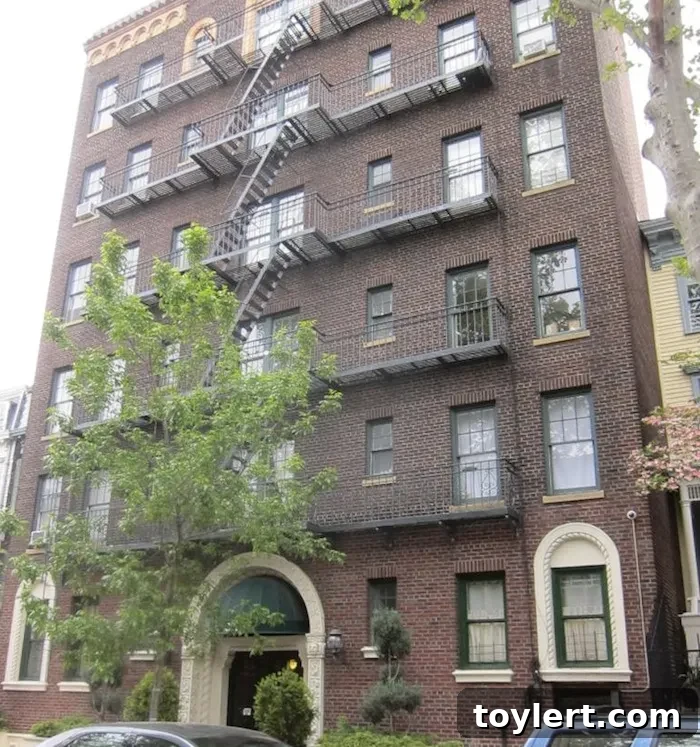
Foul Play in Fort Greene: Unsanitary Conditions Alarm Residents at 301 Cumberland Street
A disturbing and truly bizarre situation has unfolded in a residential building located at 301 Cumberland Street in Fort Greene, Brooklyn. Residents are grappling with a persistent and deeply unsanitary problem that has turned common areas into a health hazard. According to a concerned tipster from within the building, an unidentified individual has been habitually discarding large trash bags filled with urine down the building’s garbage chute. This isn’t an isolated incident or a minor oversight; these are not small refuse bags, but rather the standard kitchen-sized variety, each reportedly half-full of urine, creating a catastrophic mess upon impact.
The severity of this issue cannot be overstated. This vile practice reportedly commenced around November of 2013 and has continued with alarming regularity. Bag after pee-filled bag has been making its way down the chute, often bursting upon impact at the bottom or leaking its putrid contents shortly after landing. The cumulative effect has been devastating for the building’s basement, which now emits an unbearable stench of urine. What was once a functional communal space has been rendered virtually unusable, deeply impacting the quality of life for all residents.
The Unbearable Stench and Its Impact on Building Amenities
The basement of 301 Cumberland Street serves several crucial functions for the residents, most notably housing the building’s laundry facilities. The persistent and overwhelming odor of stale urine has transformed this essential amenity into a truly repugnant environment. As the tipster eloquently put it, “Our basement has become a truly foul place to go.” This statement encapsulates the profound discomfort and inconvenience experienced by those who rely on these shared resources. Imagine having to do your laundry in an area permeated by such an offensive smell, an odor that likely clings to clothes and personal items, despite the washing process.
Beyond the immediate unpleasantness, the prolonged presence of urine presents significant health and safety concerns. Human waste is a breeding ground for bacteria, viruses, and other pathogens. The consistent leaking and bursting of these bags could lead to:
- Mold and Mildew Growth: The damp, unsanitary conditions are ideal for the proliferation of mold, which can trigger respiratory issues and allergies.
- Pest Infestations: The presence of biological waste can attract rodents, insects, and other vermin, exacerbating the hygiene crisis.
- Air Quality Degradation: The airborne particles from dried urine and associated bacteria can compromise indoor air quality, posing risks to residents, particularly those with respiratory sensitivities.
- Structural Damage: Over time, the acidic nature of urine can degrade building materials, leading to costly repairs and structural weakening.
The basement is no longer just an inconvenience; it has become a potential public health hazard. This situation demands immediate and decisive action from building management to protect the well-being and peace of mind of its tenants.
The Mystery of the Perpetrator: A Community Under Siege
One of the most perplexing aspects of this ongoing problem is the anonymity of the perpetrator. The question on everyone’s mind at 301 Cumberland Street is: Who is doing this, and why? Identifying the individual responsible for such a deliberately offensive act is challenging, given the communal nature of a garbage chute and the lack of direct surveillance in common areas. This anonymity adds another layer of frustration and anxiety for residents, as the source of their misery remains hidden.
Speculation regarding motives could range widely:
- Vandalism or Malice: A deliberate act intended to annoy or disrupt the community, possibly stemming from a dispute or grudge.
- Mental Health Issues: The act could be a symptom of underlying psychological distress, where an individual lacks the capacity to understand or care about the consequences of their actions.
- Lack of Facilities/Access: While unlikely in a modern apartment building, extreme circumstances might lead someone to use unconventional means for waste disposal.
- Protest or Rebellion: Though highly unusual, it could be a bizarre form of protest against building management or other residents.
Regardless of the motive, the impact on the community is profound. Trust among neighbors erodes, and a sense of unease permeates the building. The lack of resolution breeds resentment and a feeling of powerlessness among the residents, who are forced to live with the consequences of someone else’s reprehensible behavior.
Property Management’s Crucial Role and Responsibilities
In situations like this, the responsibility of the building’s property management becomes paramount. Their primary duty is to ensure a safe, clean, and habitable living environment for all tenants. The prolonged nature of this issue, spanning since late 2013, suggests that either the problem has been difficult to address or that previous interventions have been insufficient. Effective property management requires a proactive and compassionate approach to such unique challenges.
Key responsibilities for the management of 301 Cumberland Street would include:
- Immediate and Thorough Cleaning: Engaging professional hazmat or specialized cleaning services to completely sanitize the basement, eradicate odors, and ensure all biohazards are removed. This is not a job for a regular cleaning crew.
- Investigation and Identification: Exploring all possible avenues to identify the perpetrator. This might involve installing temporary, discreet cameras in strategic common areas (if legally permissible and communicated appropriately), conducting discreet inquiries among residents, or reviewing waste patterns.
- Clear Communication with Residents: Sending out notices to all tenants, detailing the issue, condemning the actions, and soliciting information while assuring anonymity for tipsters. The communication should also outline the steps management is taking to resolve the problem.
- Preventative Measures: While stopping a determined individual can be hard, management could explore options like more frequent garbage chute cleaning, clearer signage regarding proper waste disposal, or even temporarily modifying chute access if feasible.
- Legal Action: Once identified, the perpetrator should face appropriate consequences, which could include fines, eviction, and legal action for damages and health hazards created.
- Regular Inspections: Increasing the frequency of inspections of the basement and garbage chute areas to detect any reoccurrence promptly.
Failure to adequately address this issue could lead to legal repercussions for the building owners and management, including tenant lawsuits for uninhabitable living conditions, diminished property value, and severe damage to the building’s reputation.
Strategies for Resolution and Long-Term Prevention
Resolving the “urine bomb” crisis at 301 Cumberland Street requires a multi-faceted approach, combining immediate remediation with long-term preventative strategies. The goal is not only to stop the current perpetrator but also to deter similar actions in the future and restore faith in the building’s management.
Immediate Remediation Steps:
- Specialized Cleaning: Professional biohazard cleaning is non-negotiable. This involves proper disinfection, deodorization, and disposal of contaminated materials.
- Air Purification: Using industrial-grade air purifiers and ozone generators (after residents have vacated the area) to eliminate lingering odors from the basement.
- Damage Assessment: Inspecting the structural integrity and materials of the basement to identify and repair any degradation caused by prolonged exposure to urine.
Long-Term Prevention and Community Engagement:
- Enhanced Surveillance: If legal and ethical guidelines allow, installing security cameras at key points near the garbage chute access or in the basement could serve as a deterrent and aid in identification. Any such installation must be communicated transparently to residents.
- Resident Education and Communication Campaigns: Regular reminders about proper waste disposal, the consequences of improper disposal, and the importance of respecting communal spaces. Educational materials could highlight health risks and community impact.
- Anonymous Reporting System: Establishing an easily accessible and truly anonymous channel for residents to report suspicious activities or provide tips without fear of reprisal.
- Community Meetings: Organizing tenant meetings (virtually or in-person, as appropriate) to discuss the issue openly, gather input, and foster a collective sense of responsibility. This can empower residents and make them feel heard.
- Review of Waste Management Policies: Evaluating the building’s current waste management policies. Are garbage chutes cleaned regularly? Are there alternative disposal methods for certain types of waste?
- Legal Counsel: Consulting with legal experts specializing in tenant law to understand the full scope of potential actions against a perpetrator and to ensure all management responses comply with local regulations.
The ongoing nature of this problem highlights a breakdown in community standards and potentially in management oversight. Restoring normalcy will require a concerted effort, transparent communication, and a firm commitment to maintaining a healthy living environment.
Broader Implications for Urban Communal Living
The incident at 301 Cumberland Street, while extreme, sheds light on the broader challenges of communal living in densely populated urban areas like Fort Greene, Brooklyn. In multi-unit dwellings, the actions of one individual can have disproportionate and far-reaching impacts on an entire community. This situation underscores several critical aspects of urban residential life:
- Interdependence: Residents are inherently interdependent; their behaviors directly affect their neighbors’ quality of life.
- Respect for Shared Spaces: The importance of respecting communal amenities and understanding that these spaces are shared resources, not personal dumping grounds.
- The Role of Civic Responsibility: A functioning community relies on a shared sense of civic responsibility and adherence to basic social norms.
- Challenges of Anonymity: The paradox of urban living where many people live in close proximity but remain strangers, making accountability difficult.
- Demand on Property Management: The unique and sometimes bizarre challenges that property managers face in mediating disputes and maintaining order in diverse communities.
Ultimately, the health and harmony of an apartment building community depend on a delicate balance of individual freedom, collective responsibility, and responsive management. When this balance is disturbed by malicious or thoughtless acts, the entire living experience can quickly deteriorate.
Conclusion: A Call for Urgent Action and Community Solidarity
The situation at 301 Cumberland Street in Fort Greene is more than just an inconvenience; it is a serious breach of health, safety, and community standards. The persistent dumping of urine-filled bags down the garbage chute has rendered the building’s basement a foul and potentially hazardous environment, significantly diminishing the quality of life for its residents. The ongoing stench, the health risks, and the sheer audacity of the act call for urgent and decisive intervention.
Building management must prioritize this issue, deploying professional cleaning services, launching a thorough investigation to identify the perpetrator, and fostering open communication with residents. Failure to act decisively risks further degradation of the living environment, potential legal ramifications, and a complete erosion of trust within the community. For the residents of 301 Cumberland Street, a swift resolution is not just desirable but essential to reclaim their shared spaces and restore the peace and hygiene they deserve in their Fort Greene homes.