Bushwick’s Evolving Identity: Understanding Gentrification and Its Impact
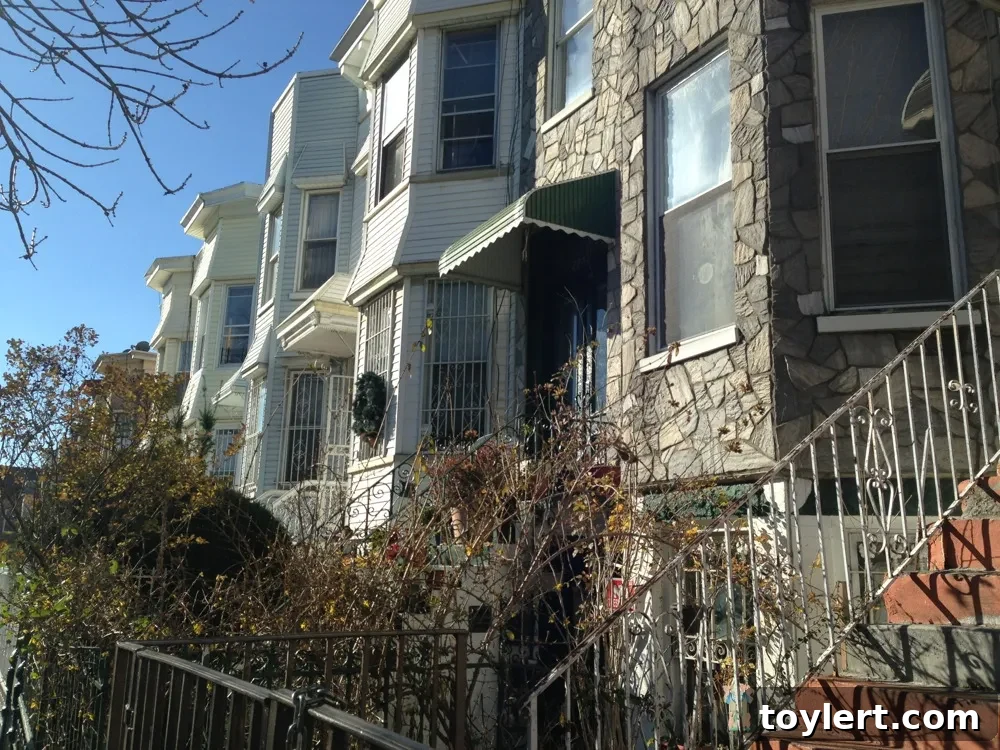
Bushwick, a culturally vibrant and historically rich neighborhood nestled in the heart of Brooklyn, New York City, is currently navigating a period of profound transformation. For generations, this community has served as a resilient home for diverse families, innovative artists, and countless immigrants, all contributing to a unique and intricate tapestry of urban life. However, recent decades have witnessed an accelerated pace of change, often summarized by the increasingly common term: “gentrification.” While this phenomenon frequently heralds new investments and amenities, it simultaneously sparks critical discussions about neighborhood identity, housing affordability, and the enduring future of its existing communities.
The ongoing dialogue surrounding Bushwick’s evolution resonates deeply with its residents. The sentiments expressed by a long-term inhabitant, who recently shared their perspective with a local publication, perfectly capture this feeling: “I have lived in Bushwick for what seems like forever and seen the changes that have happened here. I just want to understand what exactly is occurring.” This poignant question encapsulates the confusion and concern felt by many as their familiar surroundings steadily give way to unfamiliar developments, prompting them to ponder their place in an increasingly unrecognizable landscape. The underlying anxiety is clear: are escalating rents systematically forcing out established families, thereby irrevocably altering the very soul of Bushwick?
The Genesis of Change: Unpacking Gentrification in Bushwick
Gentrification is a multifaceted urban process characterized by the influx of wealthier residents and businesses into a neighborhood, typically one that has previously experienced underinvestment. This trend leads to a significant increase in property values, a surge in rental costs, and noticeable shifts in the area’s social character and demographics. In Bushwick, the foundations for gentrification were laid over an extended period. Once a predominantly working-class district that endured periods of economic decline and urban decay, its considerable stock of often historic buildings, combined with its strategic proximity to Manhattan, gradually rendered it an attractive target for redevelopment and investment.
Historically, Bushwick served as a melting pot for various immigrant communities. From the significant German and Italian populations in the 19th and early 20th centuries to a substantial influx of Hispanic and Latin American residents in more recent decades, these groups were instrumental in forging Bushwick’s distinctive cultural identity. They established thriving local businesses, vibrant religious institutions, and intricate social networks that defined the community. The local artistic community also played a crucial role, as artists seeking affordable studio and living spaces began to arrive in the late 20th and early 21st centuries, slowly converting former industrial zones into dynamic creative hubs. This unique blend of burgeoning artistic innovation and deep-rooted cultural richness created an appealing environment that progressively drew broader attention and external interest.
Driving Forces Behind Bushwick’s Rapid Transformation
Several interconnected factors have significantly accelerated the pace of Bushwick’s evolution:
- Unbeatable Location: Bushwick’s prime position within Brooklyn, offering convenient subway access to Manhattan, makes it highly desirable for commuters. As other traditionally “affordable” Brooklyn neighborhoods, such as Williamsburg, became prohibitively expensive, Bushwick naturally emerged as the next logical frontier for those seeking urban living within reach.
- Architectural Allure: The neighborhood boasts an impressive array of architectural gems, including charming brownstones, grand pre-war buildings, and expansive former industrial spaces perfectly suited for conversion. Bushwick’s distinctive architectural character strongly appeals to those who appreciate a unique fusion of historic charm and authentic urban grit.
- The Artistic Pioneer Effect: The initial waves of artists and creatives who settled in Bushwick, drawn by the prospect of affordable live-work spaces, inadvertently paved the way for gentrification. Their presence cultivated a flourishing arts scene, featuring numerous galleries, vibrant street art, and innovative performance venues. This creative boom, in turn, attracted more mainstream attention and further investment into the area.
- Economic Investment Influx: Both public and private capital have flowed into Bushwick. Extensive renovation projects, the construction of new residential complexes, and a variety of commercial ventures have modernized significant portions of the neighborhood, further boosting its appeal to a wider and often more affluent demographic.
- Brooklyn’s Overarching Growth: Bushwick’s transformation is intrinsically linked to a larger trend across Brooklyn, which has experienced unprecedented growth and development over the past two decades. As Brooklyn itself has solidified its status as a global brand and highly sought-after destination, pressure has intensified on its remaining relatively affordable areas.
Visible Changes: Rising Rents and Evolving Lifestyles
The Intensifying Housing Crisis and Displacement
Perhaps the most immediate and distressing consequence of Bushwick’s gentrification is the dramatic escalation in housing costs. Rental prices have soared, creating an immense challenge for long-term residents, particularly those on fixed incomes or earning working-class wages, to continue affording their homes. This often results in involuntary displacement, where families are uprooted from the neighborhood they have known for generations, leading to the scattering of established communities and the dissolution of cherished social ties. The continuous loss of existing affordable housing units, compounded by the demolition of older buildings to make way for luxury apartments, severely exacerbates this critical crisis. Many residents articulate a profound sense of sorrow and injustice, feeling as though their beloved home is being systematically taken from them, piece by painstaking piece.
A Shifting Commercial and Cultural Landscape
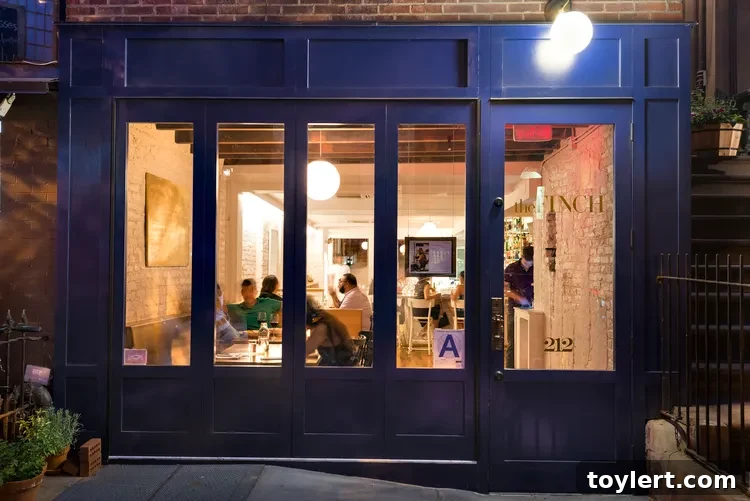
In parallel with the residential changes, Bushwick’s commercial landscape has also undergone a dramatic transformation. Traditional bodegas, beloved family-run restaurants, and long-standing local shops, once integral to the daily lives of the community, are progressively being replaced by trendy cafes, upscale boutiques, and high-end dining establishments. The emergence of businesses receiving prestigious accolades like Michelin stars, exemplified by places such as “The Finch” (as depicted in the accompanying image, symbolizing this culinary shift), underscores this new wave of commercial development. While these new ventures can introduce job opportunities and attract tourism, they frequently cater to the tastes and budgets of newer residents, sometimes alienating or financially excluding the original inhabitants. This creates a tangible cultural disconnect, as the familiar spaces and services that once defined Bushwick’s unique local character are gradually eroded and replaced.
Demographic and Social Dynamics in Flux
The sustained influx of new residents, who are often younger, wealthier, and predominantly white, has profoundly altered Bushwick’s demographic composition. This significant shift can lead to social tensions and a deep sense of alienation among long-term residents. Cultural norms and expectations frequently clash, influencing everything from acceptable noise levels and street etiquette to the prioritization of local political issues. While diversity is generally celebrated, the specific nature of this demographic shift in gentrifying neighborhoods can sometimes feel less like organic evolution and more like an unwelcome invasion, particularly for those who feel increasingly marginalized or unheard in the ongoing process.
The Intricate Complexities and Contradictions of Progress
It is crucial to acknowledge that gentrification is not solely a narrative of loss and hardship. Proponents of urban revitalization often highlight several perceived benefits. Crime rates in Bushwick have generally experienced a decline, and there has been a noticeable increase in investment in public spaces, parks, and essential infrastructure. The arrival of new businesses can lead to a more diverse range of employment opportunities and contribute to an expanded tax base for the city. For property owners who have maintained their homes for decades, rising property values can represent significant wealth creation, offering newfound financial security. However, these often-cited benefits frequently come at a considerable cost to the very communities that have steadfastly sustained the neighborhood through its less prosperous periods. The overarching challenge lies in devising strategies to foster development that genuinely benefits all residents, ensuring that newcomers do not thrive at the expense of those who have long called Bushwick home.
Addressing the Resident’s Plea: “What Exactly is Occurring?”
To adequately answer the long-term resident’s poignant question — “what exactly is occurring?” — one must conceptualize Bushwick as a dynamic urban ecosystem undergoing a rapid, often disorienting, rebalancing. It is fundamentally the story of a once overlooked neighborhood, rediscovered and reshaped by powerful market forces, a narrative propelled by increasing desirability, concentrated investment, and evolving demographics. It is a complex process where the optimistic promise of urban revitalization frequently collides with the harsh and often painful reality of displacement for those who simply cannot keep pace with escalating costs.
What is occurring is the quiet, yet profound, erosion of an established community. It represents the gradual replacement of culturally specific institutions and long-standing businesses with more generic commercial offerings. It’s the powerful economic imperative of rising real estate values consistently overriding the crucial social value of community stability. It’s the daily struggle of working-class families and small, independent businesses to survive and adapt within an environment increasingly tailored for affluent tastes and larger disposable incomes. Ultimately, Bushwick’s transformation serves as a vivid, living illustration of the broader challenges New York City faces in its ongoing struggle to maintain its historic diversity and cherished affordability.
Charting an Equitable Future: Preserving Bushwick’s Soul
The future trajectory of Bushwick, much like many other rapidly gentrifying neighborhoods, depends heavily on critical dialogues and proactive, compassionate measures. It requires robust collaboration between dedicated community organizations, responsive local government bodies, and engaged residents to implement comprehensive policies that effectively protect existing tenants and foster genuinely affordable housing solutions. Strategic initiatives such as enhanced rent stabilization, the development of community land trusts, and robust inclusionary zoning regulations can play a vital role in mitigating displacement and ensuring that Bushwick remains accessible and welcoming to people from all socioeconomic backgrounds. Furthermore, actively supporting small, local businesses that authentically cater to the long-term community is essential for preserving the neighborhood’s unique and irreplaceable character.
Ultimately, the overarching goal should be to cultivate a form of urban development that values continuity and historical preservation just as much as it embraces innovation and change. This approach seeks to celebrate the deep-seated roots of a community while simultaneously embracing its immense potential for growth. Bushwick’s identity is far from monolithic; it is a rich, layered narrative of resilience, boundless creativity, and constant evolution. The critical challenge lies in navigating this evolution with both empathy and foresight, ensuring that the very vibrancy and authentic character that initially drew attention to Bushwick continue to thrive, not at the expense of its most vulnerable residents, but rather in genuine harmony with them. Only through such deliberate and inclusive efforts can Bushwick truly evolve into a place where both its cherished past and its promising future can coexist in a truly equitable and sustainably prosperous manner.
This vital and ongoing dialogue about gentrification in Bushwick is far from conclusion. It stands as a powerful microcosm for urban centers across the globe grappling with similar issues, highlighting the delicate, often precarious, balance between progress, the imperative of preservation, and the fundamental well-being of its people.