
In a world where the fight for equality and justice remains ever-present, community dialogues and collective action are more crucial than ever. One such pivotal event, the #BHeard Town Hall at BRIC, brought together a distinguished panel of activists to delve into the complex yet vital topic of how to best forge solidarity and advance women’s rights in contemporary society. This particular forum, titled “reSISTER: Race, Identity & the Women’s Movement,” served as a powerful testament to the ongoing commitment to progress and understanding.
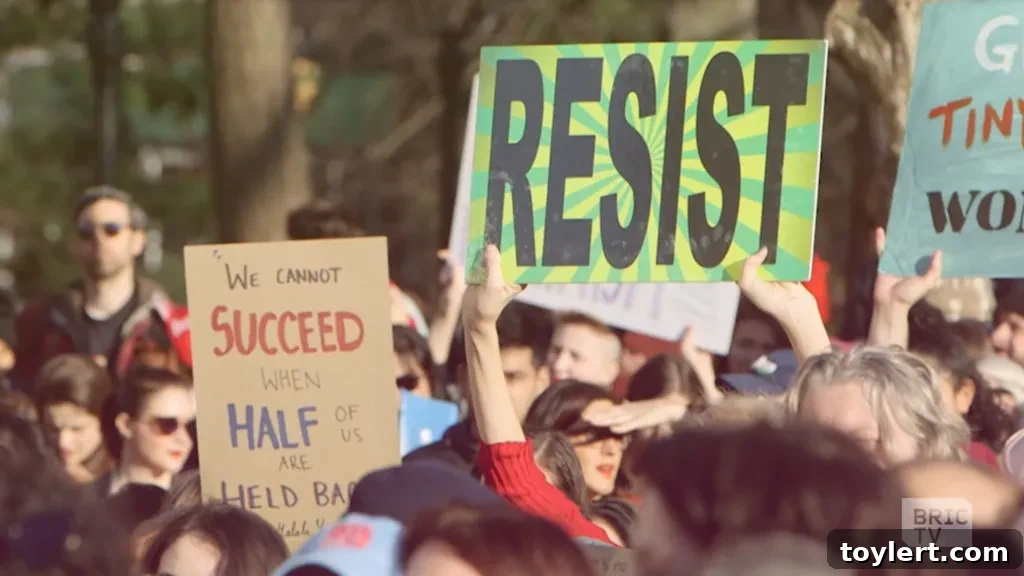
Inspired by the monumental Women’s March on Washington—a powerful demonstration that signaled to a new administration that any potential rollbacks on fundamental reproductive, civil, and human rights would be met with determined and widespread protest—this town hall embraced a multimedia, live-televised format. This approach ensured that the critical conversations taking place could reach a broad audience, amplifying the voices of advocates and fostering a deeper engagement with the issues at stake. The event aimed to not only discuss the challenges but also to strategize on effective pathways toward a more equitable future.
“reSISTER: Race, Identity & the Women’s Movement” – A Deep Dive into Modern Feminism
The title “reSISTER: Race, Identity & the Women’s Movement” perfectly encapsulates the nuanced and intersectional approach necessary for contemporary feminist discourse. It acknowledges that the experiences of women are not monolithic; they are profoundly shaped by race, ethnicity, socioeconomic status, sexual orientation, disability, and other intersecting identities. Traditional feminist movements have sometimes been criticized for focusing primarily on the experiences of white, middle-class women, inadvertently marginalizing the concerns of women of color and other underrepresented groups. This town hall sought to rectify that by placing intersectionality at the very heart of its discussion.
The event explored how different identities converge to create unique challenges and oppressions, and how a truly inclusive women’s movement must recognize and uplift all voices. By bringing diverse activists to the table, the #BHeard Town Hall provided a platform for exploring the complexities of solidarity. It challenged participants to think beyond narrow definitions of “womanhood” and to embrace a more expansive understanding of feminist goals. The goal was to move past theoretical discussions and into actionable strategies for collective empowerment, recognizing that true liberation for women means liberation for all.
The Enduring Legacy of the Women’s March on Washington
The Women’s March on Washington, which occurred on the first full day of President Trump’s tenure, was more than just a protest; it was a global phenomenon, a vibrant assertion of democratic values and human dignity. Millions took to the streets across the world, sending an unmistakable message of resistance and hope. The sheer scale and diversity of the participants underscored a widespread concern for the future of reproductive rights, LGBTQ+ rights, racial justice, environmental protection, and healthcare. This collective outpouring of civic engagement ignited a new wave of activism and demonstrated the enduring power of grassroots mobilization.
The march served as a powerful reminder that vigilance is paramount in safeguarding hard-won rights. The concept of “putting the new administration on notice” was not an idle threat but a pledge of sustained engagement. Activists vowed to meticulously monitor policies and legislation, ready to vigorously protest any attempts to undermine civil liberties or roll back progress made in various human rights domains. This foundational act of collective resistance provided the crucial context and impetus for subsequent discussions, including the BRIC #BHeard Town Hall, which aimed to channel that energy into structured dialogue and strategic planning for the future.
BRIC: A Pillar of Community Engagement and Cultural Vitality in Brooklyn
BRIC, as a leading nonprofit arts and media cultural organization, stands as a testament to the power of community-focused initiatives. Located in the vibrant heart of Brooklyn, BRIC plays a crucial role in fostering artistic expression, media literacy, and civic discourse. Their mission extends beyond mere entertainment; they are dedicated to providing accessible, high-quality programming that educates, inspires, and unites diverse audiences. By offering a wide array of free and low-cost events, workshops, and platforms, BRIC democratizes access to arts and media, ensuring that cultural enrichment is not a luxury but a right available to all.
The choice of BRIC as the venue for the “reSISTER” Town Hall was deliberate and highly appropriate. BRIC’s long-standing commitment to social justice and its capacity to facilitate open, honest conversations make it an ideal setting for addressing complex issues like race, identity, and the women’s movement. Their state-of-the-art facilities and experienced team enable the production of high-quality multimedia events, ensuring that important discussions resonate widely. BRIC serves as a beacon for cultural exchange and community empowerment, reinforcing the idea that art and media are powerful tools for advocacy and social change.
The Power of Public Dialogue: Understanding Town Halls in the Digital Age
Town Hall meetings, historically a cornerstone of democratic engagement, have evolved to meet the demands of the digital age. The #BHeard Town Hall at BRIC exemplified this evolution by not only being a live-televised event but also integrating multimedia elements. This format transforms what could be a localized discussion into a far-reaching platform, enabling individuals from different neighborhoods, cities, and even countries to tune in and engage with the vital topics being discussed. The ability to broadcast these conversations live makes them immediate, accessible, and inclusive, bridging geographical divides and fostering a broader sense of community participation.
A diverse panel of activists is crucial for these discussions. Each panelist brings a unique perspective shaped by their personal experiences and areas of advocacy, enriching the dialogue and ensuring a comprehensive understanding of the multifaceted challenges faced by women today. The goal of such a forum is not just to air grievances but to collectively brainstorm solutions, identify areas for collaboration, and strengthen the bonds of solidarity among various movements. By providing a safe and moderated space for these exchanges, BRIC’s #BHeard Town Hall empowered both the panelists and the audience to become active participants in the ongoing struggle for equality.
Forging Solidarity: The Path Forward for Women’s Rights
The “reSISTER” Town Hall underscored a fundamental truth: the advancement of women’s rights is inextricably linked to the advancement of human rights for all. True progress demands that we dismantle systemic inequalities, challenge discriminatory practices, and amplify the voices of those most marginalized. The conversation emphasized that solidarity is not merely about shared goals, but about recognizing and respecting the diverse journeys and struggles within the movement. It means understanding that the fight for reproductive freedom, for example, cannot be separated from the fight for racial justice or economic equity.
Moving forward, the lessons learned from events like the #BHeard Town Hall are vital. They remind us that activism is an ongoing process, requiring continuous dialogue, education, and collective action. By fostering spaces where race and identity are openly discussed within the context of the women’s movement, we strengthen our ability to build a truly inclusive and powerful force for change. The commitment to solidarity, fueled by empathy and a shared vision for justice, remains the most potent tool in securing a future where all women, in all their diverse identities, can thrive freely and equally.
Page 1 | Page 2 | Page 3 | Page 4 View All Pages