Brooklyn’s Dynamic Landscape: Development, Community, and Enduring Heritage
Brooklyn, a borough renowned for its vibrant communities and ever-evolving character, continues to be a focal point for urban development, cultural preservation, and significant community discourse. From the historic streets of Brooklyn Heights to the bustling avenues of Williamsburg and the emerging hubs of Bushwick, the borough presents a complex tapestry of growth, challenges, and resilience. This comprehensive overview delves into the latest developments, key community discussions, and ongoing efforts to shape Brooklyn’s future, illustrating how this iconic New York City borough navigates progress while honoring its deep-rooted identity.
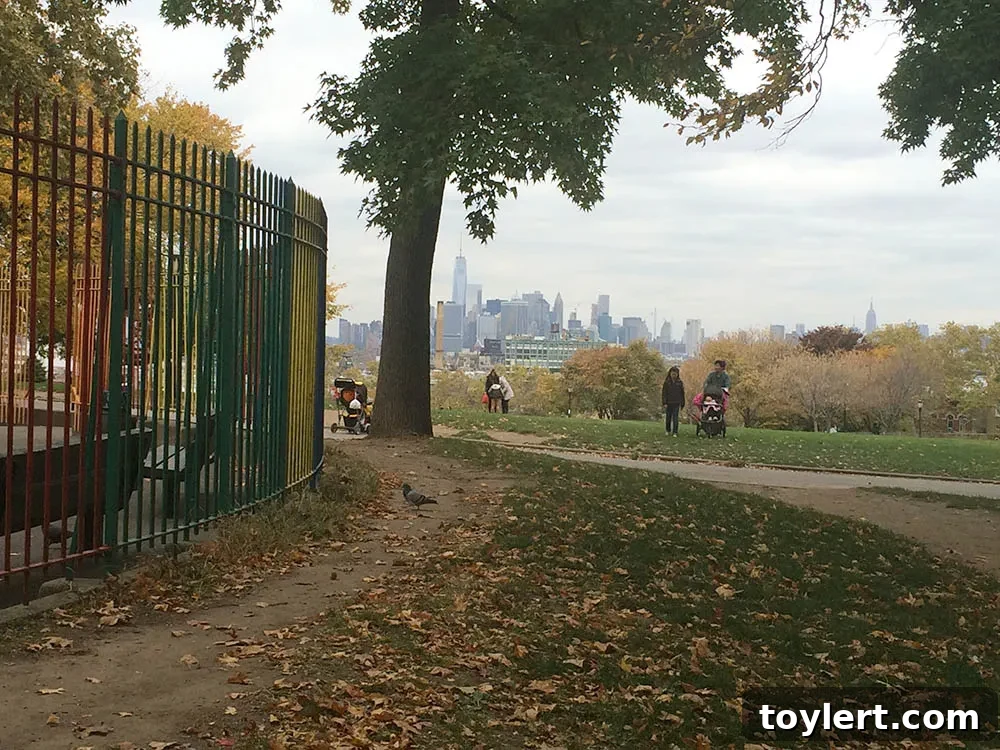
Latest Developments & Community Conversations Across Brooklyn
The pace of change in Brooklyn is relentless, with daily news reflecting the borough’s growth, policy debates, and community-driven initiatives. From urban planning and public safety to significant real estate transactions, these headlines offer a snapshot of Brooklyn’s current trajectory and the issues most pertinent to its residents and stakeholders.
Red Hook Incident Sparks City-Wide Push for Enhanced Urban Tree Regulations
The tragic death of a restaurant deliveryman in Red Hook has galvanized a critical discussion around urban forestry and public safety in New York City. This unfortunate event underscores the pressing need for updated and stringent city tree regulations. Advocates are pushing for comprehensive reviews of tree health, proactive maintenance schedules, and the implementation of expert assessments to prevent similar incidents. The incident highlights the delicate balance between maintaining essential green urban spaces and ensuring the safety of residents and workers navigating the city’s streets. It serves as a stark reminder that urban infrastructure, including natural elements, requires constant vigilance and robust regulatory frameworks to protect the community effectively. The call for new regulations aims to create a safer urban environment, emphasizing the crucial role of certified arborists and tree experts in assessing and mitigating potential hazards posed by aging or compromised street trees. This discussion extends beyond Red Hook, impacting every tree-lined street and public space across Brooklyn and the wider city, urging for a more proactive and preventative approach to urban tree management and public safety standards.
New Residential Building Coming to South Slope: Permits Filed for a 12-Unit Development
South Slope, a desirable Brooklyn neighborhood known for its charming brownstones, vibrant local businesses, and family-friendly atmosphere, is set to welcome new residential inventory. Permits have been filed for a 12-unit residential building at 719 6th Avenue, signaling continued demand for housing in this highly sought-after area. This development reflects the ongoing trend of infill construction within established Brooklyn neighborhoods, aimed at accommodating the borough’s steadily growing population and diverse housing needs. New residential projects often bring with them both opportunities and challenges, contributing to increased housing options while also sparking important discussions about neighborhood character, existing infrastructure capacity, and housing affordability. The addition of new units in South Slope caters to a wide range of residents, from young professionals to growing families, all seeking to embrace the unique lifestyle and community spirit Brooklyn offers. Such projects are meticulously reviewed by city planning departments and community boards to ensure compliance with stringent zoning laws and urban development guidelines, ultimately shaping the architectural and social fabric of the community. This particular development at 719 6th Avenue represents a modest yet significant contribution to Brooklyn’s ever-evolving residential landscape, illustrating the continuous evolution of its neighborhoods.
Sterling Acquires Prime Williamsburg Site for Major Mixed-Use Project
Williamsburg, a neighborhood synonymous with cultural vibrancy, artistic expression, and dynamic growth, continues to attract significant investment in its real estate market. Sterling has announced the acquisition of a prime site in Williamsburg, earmarked for a substantial mixed-use project. This strategic move highlights the enduring appeal of Williamsburg as a hub for both residential and commercial development, reflecting its transition into one of New York City’s most desirable areas. Mixed-use projects are a cornerstone of modern urban planning, aiming to create self-contained communities where residents can live, work, and socialize within close proximity, thereby reducing the need for extensive commuting and fostering local economies. These comprehensive developments typically integrate residential units with diverse retail spaces, modern offices, and sometimes even cultural or recreational facilities, fostering a more sustainable and vibrant urban environment. Sterling’s investment in Williamsburg signifies strong confidence in the neighborhood’s long-term economic prospects and its capacity for continued transformation and innovation. Such large-scale projects often reshape skylines and streetscapes, bringing new amenities, substantial job opportunities, and a fresh wave of residents and businesses to the area. This particular acquisition underscores Williamsburg’s status as a premier location for innovative and impactful urban development in Brooklyn.
Bushwick Generator Project: Toby Moskovits Kicks Off 75,000-Square-Foot Creative Hub
Bushwick, a neighborhood rapidly evolving from its industrial past to a creative and residential hotspot, is witnessing another significant development with Toby Moskovits’ 75,000-square-foot “Bushwick Generator” project now underway. This ambitious undertaking is envisioned as a powerful catalyst for further innovation, economic activity, and community engagement in the neighborhood. The “Generator” concept suggests a dynamic space explicitly designed to foster creativity, collaboration, and entrepreneurship, likely featuring a versatile mix of co-working spaces, artist studios, light manufacturing facilities, and perhaps retail or event venues. Such projects are vital for supporting local businesses, cultivating emerging talent, and attracting new enterprises, further solidifying Bushwick’s reputation as a dynamic center for arts, technology, and design in Brooklyn. The substantial scale of this development indicates a significant long-term investment in the future of Bushwick, promising to bring new jobs, diverse opportunities, and enhanced infrastructure to the community. It reflects a broader trend in urban development where former industrial zones are thoughtfully repurposed into vibrant mixed-use districts that cater specifically to the evolving needs of the modern creative economy. The Bushwick Generator is poised to become a landmark development, contributing substantially to the cultural and economic landscape of this bustling Brooklyn neighborhood and setting a precedent for future urban revitalization efforts.
Celebrating 50 Years: Brooklyn Heights, NYC’s First Historic District
A significant milestone in New York City’s preservation efforts was celebrated as Brooklyn Heights marked its 50th anniversary since its designation as NYC’s first historic district. This landmark decision in 1965 set a crucial precedent for protecting the architectural integrity, cultural heritage, and unique character of neighborhoods across the five boroughs. Brooklyn Heights, with its charming tree-lined streets, stunningly preserved brownstones, and breathtaking views of the Manhattan skyline, epitomizes the timeless appeal and historical depth of old New York. The preservation of Brooklyn Heights highlights the ongoing commitment to balancing essential urban development with the critical importance of safeguarding architectural treasures and maintaining distinct neighborhood character. This anniversary is a moment to reflect on the profound impact of historic district designations, which not only preserve physical structures but also actively maintain a strong sense of place and community identity for generations. It vividly demonstrates how thoughtful urban planning and dedicated community advocacy can ensure that future generations can appreciate the unique beauty and historical significance of neighborhoods like Brooklyn Heights, serving as a model for conservation efforts nationwide and reinforcing the invaluable role of architectural heritage in a rapidly modernizing city.
Sunset Park Homeless Group Under Scrutiny: City Maintains Contract Amid Performance Concerns
The persistent issue of homelessness and the effectiveness of services provided to vulnerable populations remains a critical and complex concern in New York City. In Sunset Park, a local homeless services group has come under intense scrutiny, with public reports citing a poor performance record and questions regarding its operational efficiency. Despite these serious concerns, the city has opted not to release the organization from its existing contract, sparking considerable debate among community members, local leaders, and stakeholders. This situation highlights the inherent complexities involved in managing public contracts for vital social services, where the welfare and well-being of individuals are paramount. It raises pressing questions about oversight mechanisms, accountability for service providers, and the city’s broader strategy for addressing homelessness effectively and compassionately. For residents of Sunset Park, ensuring that public resources are allocated to groups that can provide high-quality, impactful, and humane support to those in need is crucial. The ongoing discussion around this contract underscores the urgent need for enhanced transparency, rigorous evaluation of service providers, and a compassionate yet highly effective approach to assisting the homeless population, ensuring they receive the comprehensive care and support necessary to transition towards stable housing and improved overall well-being. This local issue resonates deeply with broader city-wide efforts to refine and improve the delivery of essential social services to all New Yorkers.
Key Insights from Brownstoner: Home Renovation, Real Estate & Urban Planning
Brownstoner, a leading voice in Brooklyn real estate and neighborhood news, consistently provides invaluable insights into the borough’s unique challenges, architectural heritage, and diverse opportunities. Here are some top stories offering practical advice and examining critical urban issues through the lens of Brooklyn’s distinctive character.
Before You Renovate an Old House: Top 10 Essential Things to Know
For many aspiring Brooklyn homeowners, the dream of owning and meticulously renovating a historic brownstone or an old row house is incredibly appealing, offering a tangible connection to the borough’s rich past. However, undertaking such a project comes with its own unique set of challenges, complexities, and considerations that extend far beyond typical modern renovations. Brownstoner’s insightful “Top 10 Things You Should Know Before Renovating an Old House” serves as an invaluable and indispensable guide for potential renovators. This article likely covers crucial aspects such as understanding and adhering to strict historic preservation guidelines, budgeting comprehensively for unexpected structural repairs or unforeseen issues, navigating complex permitting processes specific to older structures, carefully sourcing period-appropriate materials to maintain authenticity, and finding experienced contractors intimately familiar with older building techniques and historical architecture. It emphatically emphasizes the critical importance of maintaining structural integrity, implementing energy efficiency upgrades without compromising historical character, and the significant patience and dedication required for such a rewarding endeavor. Renovating an old house is not merely about aesthetics; it’s profoundly about preserving a cherished piece of history while thoughtfully adapting it for comfortable modern living, a task that requires careful planning, unwavering dedication, and a deep appreciation for architectural heritage, making this guide essential reading for anyone embarking on such a journey in Brooklyn’s historic districts.
Greenpoint’s Iconic Architecture: Half of a Landmark Building Hits the Market for $3 Million
Greenpoint, a vibrant Brooklyn neighborhood known for its picturesque waterfront views, burgeoning culinary scene, and strong community spirit, occasionally presents unique real estate opportunities that powerfully underscore the borough’s soaring property values and distinctive architectural character. The listing of “half of an iconic Brownstoner building” for an astounding $3 million is a prime example of this exclusive and high-stakes trend in Brooklyn’s real estate market. This headline points to the rarity and significant premium placed on historically significant or architecturally unique properties in highly sought-after neighborhoods like Greenpoint. Such exceptional listings often attract discerning buyers and savvy investors looking for a compelling blend of historical charm, an unparalleled prime location, and substantial long-term investment potential. The significant price tag for what is essentially a portion of a landmark structure vividly reflects the intense demand in areas like Greenpoint, where the scarcity of available space meets a thriving and competitive real estate market. It also highlights how certain properties become integral parts of a neighborhood’s identity, profoundly influencing local aesthetics and contributing immensely to its unique appeal and desirability. This specific sale offers a fascinating glimpse into the high-stakes and dynamic world of Brooklyn real estate, where even a fraction of an iconic building commands a substantial sum, signifying its profound cultural and economic value within the community and beyond.
Community Boards Largely Reject Mayor de Blasio’s Affordable Housing Zoning Plans
The ambitious plans put forth by Mayor de Blasio to comprehensively address New York City’s pressing affordable housing crisis through new zoning initiatives faced significant hurdles, particularly from Brooklyn Community Boards, which largely rejected the initial proposals. This widespread rejection underscores the complex, often contentious, and multi-faceted nature of urban planning and affordable housing development in a dense metropolitan area like Brooklyn. Community Boards play an absolutely crucial role in representing local interests, advocating for neighborhood character, and voicing the concerns of residents in development processes, often raising valid points about potential infrastructure strain, the acceleration of gentrification, and the overall suitability of proposed developments for their specific neighborhoods. The mayor’s plans aimed to encourage more affordable housing creation through strategic changes to zoning regulations, but met considerable resistance over fears of overdevelopment, increased residential density, and the potential adverse impact on the existing social and economic fabric of communities. This highlights the ongoing tension and delicate balance between city-wide policy goals designed to address broad urban challenges and specific local neighborhood concerns, emphasizing the critical need for collaborative planning that genuinely addresses the needs and fears of current residents while simultaneously working towards broader, equitable urban solutions. The extensive debate surrounding these plans is a critical reflection of Brooklyn’s ongoing struggle to grow equitably and sustainably, ensuring housing accessibility and stability for all its residents, both long-standing and new.
Gentrification in Brooklyn: Seeking Inclusive Growth and Community-Led Solutions
Gentrification remains one of the most widely discussed, deeply impactful, and often polarizing phenomena shaping Brooklyn. While it frequently brings undeniable benefits such as new investments, improved services, and enhanced amenities, it also raises significant and pressing concerns about displacement, housing affordability, and the potential erosion of long-standing community identities and cultural heritage. The borough stands at a crucial crossroads, striving diligently to harness the positive aspects of growth while effectively mitigating its often adverse effects on vulnerable populations.
At the very heart of this complex issue are dedicated individuals and committed organizations working tirelessly to ensure that Brooklyn’s dynamic development benefits everyone, not just new arrivals or affluent residents. One such inspiring narrative features Ed Brown, a former public housing resident, whose powerful story sheds invaluable light on proactive and community-centric approaches to making gentrification work for the entire community. As compellingly reported by WNYC, Brown’s journey and unwavering advocacy exemplify the profound power of community-led initiatives in navigating the multifaceted challenges of urban change with resilience and foresight.
Ed Brown’s Story: Advocating for Equitable Development and Community Empowerment
Ed Brown’s personal experience and persistent advocacy offer a powerful, firsthand perspective on the real-world implications of gentrification and the paramount importance of implementing truly inclusive development strategies. His impactful work, as meticulously detailed in the WNYC report, likely focuses on spearheading initiatives such as the establishment of community land trusts, forging equitable development partnerships between residents and developers, and tirelessly advocating for robust public policies that effectively protect vulnerable residents from involuntary displacement. Such community-driven efforts are absolutely crucial in ensuring that existing communities can genuinely partake in the economic benefits of neighborhood revitalization without being unfairly priced out of their homes and livelihoods. By amplifying and highlighting voices like Ed Brown’s, discussions around gentrification move beyond mere observation and critique to active problem-solving, fostering innovative models where growth is intrinsically synonymous with equity, social justice, and community empowerment. His inspiring story serves as a beacon of hope and a practical roadmap for how deeply rooted residents, with an intimate understanding of their neighborhoods, can lead the charge for sustainable, fair, and truly inclusive urban evolution.
The narratives and actions of community leaders like Ed Brown are vital catalysts for change. They serve as powerful reminders that urban development isn’t just about constructing new buildings and improving infrastructure; it’s fundamentally about people, preserving unique cultures, and upholding the fundamental right to remain in one’s home and cherished community. Their collective work contributes significantly to a compelling vision of Brooklyn where prosperity is genuinely shared, and every resident has an equitable stake in the borough’s unfolding future, thereby helping to bridge the often-stark gap between rapid change and enduring community spirit.
Brooklyn’s Future: A Tapestry of Growth, Preservation, and Enduring Community Spirit
Brooklyn continues its remarkable trajectory as a global urban center, a distinctive place where historic charm gracefully coexists with avant-garde innovation and progressive urban living. The ongoing debates and critical discussions about development, housing affordability, and thoughtful urban planning are not merely administrative processes; they are profound reflections of a vibrant, deeply engaged populace profoundly invested in their borough’s future. From diligently safeguarding priceless historic districts and meticulously managing urban trees to skillfully navigating complex real estate markets and tirelessly striving for truly equitable development, Brooklyn’s unfolding story is one of continuous adaptation, remarkable resilience, and unwavering community determination.
The collective efforts of its diverse residents, dedicated community boards, visionary developers, and proactive city officials will ultimately determine how Brooklyn thoughtfully evolves in the years to come. By embracing intelligent planning, fostering genuinely inclusive growth, and meticulously preserving its unique and irreplaceable identity, Brooklyn can continue to thrive as an exemplary model for dynamic urban living, ensuring a bright, prosperous, and equitable future for all who proudly call it home. Stay tuned to local news outlets and community platforms to remain informed and engaged about the ongoing, transformative evolution of this extraordinary and iconic New York City borough.