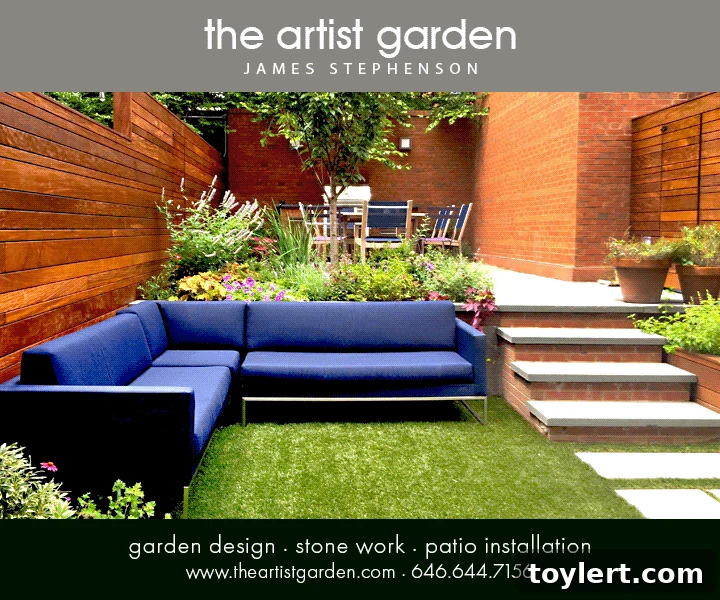
The Artist’s Garden: Cultivating Creativity in Nature’s Embrace
For centuries, artists across various disciplines have sought refuge and inspiration in the embrace of nature. Among the most cherished of these natural havens is the artist’s garden – a space not merely for cultivating flora, but for nurturing the soul and sparking the imagination. More than just a collection of plants, an artist’s garden is a living canvas, a dynamic source of light, color, texture, and form that endlessly fuels the creative spirit. It serves as an outdoor studio, a quiet retreat for contemplation, and a vibrant laboratory for experimentation. In a world increasingly dominated by digital screens and urban environments, the concept of an artist’s garden becomes even more profound, offering a vital connection to the earth and a boundless wellspring of original ideas. This comprehensive guide explores the profound relationship between artists and their gardens, offering insights into designing your own creative sanctuary and tapping into nature’s endless muse.
The Historical Muse: Gardens as Art and Inspiration
Throughout history, countless renowned artists have found their deepest inspiration within the confines of their gardens. These spaces were often more than just decorative; they were integral to the artists’ creative process, influencing their palettes, compositions, and thematic explorations. Claude Monet, the celebrated Impressionist painter, dedicated years to cultivating his magnificent garden at Giverny. His famous water lily series, a pinnacle of his career, was born directly from the tranquil ponds and vibrant flora he meticulously nurtured. His garden was not just a subject but a living, breathing collaborator in his artistic journey, demonstrating how a garden can be both a muse and a masterpiece in its own right.
Similarly, the vibrant and often surreal gardens of Frida Kahlo at Casa Azul in Mexico City provided a backdrop for her powerful self-portraits and a reflection of her inner world. Her garden, filled with native Mexican plants, pre-Columbian sculptures, and a menagerie of animals, was a place of healing, solace, and intense personal expression. For writers like Virginia Woolf, her garden at Monk’s House offered quiet corners for reflection, allowing ideas to blossom amidst the rustling leaves and fragrant blooms. Even poets and composers have drawn heavily from the rhythms and harmonies found in their natural surroundings, demonstrating the universal appeal of a thoughtfully designed garden as a catalyst for creative thought across all artistic mediums.
Famous Gardens That Fostered Creativity:
- Giverny (Claude Monet): The epitome of an artist’s garden, Monet’s lily ponds and Japanese bridge are iconic.
- Casa Azul (Frida Kahlo): A vibrant, indigenous garden reflecting Kahlo’s rich cultural heritage and personal struggles.
- Sissinghurst Castle Garden (Vita Sackville-West): A literary garden designed by a poet and novelist, known for its romantic planting and garden “rooms.”
- Derek Jarman’s Garden (Dungeness): A stark, beautiful garden created in a challenging coastal environment, a testament to artistic resilience.
Designing Your Creative Sanctuary: Elements of an Artist’s Garden
Creating an artist’s garden is a deeply personal endeavor, but certain principles can guide its design to maximize its inspirational potential. The goal is to craft a space that engages all the senses, offers diverse perspectives, and provides both stimulation and tranquility. Consider your preferred artistic medium and what elements would best serve your creative needs. A painter might prioritize color and light, while a sculptor might focus on form, texture, and the interplay of materials. A writer might seek quiet nooks for reflection, while a musician might be inspired by the sounds of rustling leaves or running water.
Engaging the Senses:
- Color: Experiment with vibrant hues, soothing pastels, or monochromatic themes to evoke different moods. Consider how colors shift with changing light.
- Texture: Incorporate plants with varied leaf shapes, barks, and flower forms. Add elements like rough stone, smooth pebbles, or weathered wood.
- Sound: Introduce a gentle water feature, wind chimes, or attract birds with feeders. Plant rustling grasses or bamboo for subtle auditory textures.
- Scent: Choose fragrant flowers and herbs like lavender, jasmine, roses, and mint to create an aromatic experience that can transport and inspire.
- Taste: A small edible garden can provide fresh ingredients and a connection to growth cycles, adding another dimension to your sensory experience.
Beyond sensory engagement, think about creating distinct “rooms” or zones within your garden. A contemplative corner with a comfortable bench, a vibrant area for sketching, an open lawn for larger installations, or a secluded spot for meditation can all contribute to a richer creative experience. Integrate art directly into the garden through sculptures, pottery, mosaics, or even painted fences and murals. The interplay of natural forms with human-made art creates a dynamic dialogue that can spark new ideas and perspectives. Pay close attention to how light and shadow play across your garden throughout the day and across the seasons, as these shifting patterns can be a powerful artistic element in themselves.
Nature as a Wellspring of Ideas: Boosting Creativity Outdoors
Spending time in a garden offers numerous cognitive and emotional benefits that directly translate into enhanced creativity. The natural environment has a unique ability to reduce stress, improve focus, and stimulate divergent thinking – all crucial components of the creative process. Simply observing the intricate patterns of a leaf, the flight of a butterfly, or the slow unfolding of a bud can train the eye to see detail and beauty in the mundane, a skill invaluable to any artist. This practice of mindful observation helps to quiet the internal critic and open the mind to new possibilities.
When faced with creative blocks, stepping into the garden can provide a much-needed mental reset. The gentle immersion in nature, away from the distractions of technology and daily pressures, allows the mind to wander freely, making unexpected connections and fostering innovative solutions. The cyclical nature of a garden – growth, decay, dormancy, and renewal – offers profound metaphors for artistic creation and personal transformation. Connecting with the natural world grounds us, reminds us of larger cycles, and can inspire a sense of wonder that is fundamental to artistic expression.
The garden also provides an invaluable opportunity for direct experimentation with natural materials. For sculptors, it might mean incorporating fallen branches, stones, or soil. For painters, it could involve creating natural dyes from plants or studying botanical forms up close. For writers, the narrative of a growing season, the drama of a storm, or the simple beauty of a sunrise over the plants can provide endless stories and poetic inspiration. This direct engagement fosters a deeper understanding and appreciation of the natural world, which inevitably enriches the artistic output.
Beyond the Physical Garden: The Digital Artist Garden
While the physical garden remains an unparalleled source of inspiration, the digital age has also opened new avenues for artists and garden enthusiasts to connect, share, and learn. Websites and online communities dedicated to art, gardening, and the intersection of the two provide a virtual “artist’s garden” where ideas can cross-pollinate globally. These platforms serve as vital hubs for discovering new techniques, exploring diverse garden styles, and finding inspiration from a worldwide community of creatives.
Online resources often feature galleries of artist gardens, interviews with garden designers, practical guides for cultivating specific plants, and forums for sharing personal projects. They bridge the gap between aspirational ideas and achievable goals, making the dream of an artist’s garden accessible to more people, regardless of their physical space or geographical location. These digital extensions of the garden concept provide a rich tapestry of information and visual delight, encouraging continuous learning and creative evolution. They are perfect complements to the tangible experience of cultivating one’s own patch of green, offering a constant stream of fresh perspectives and encouragement.
Explore further inspiration and resources for your creative garden journey at The Artist Garden.
Practical Tips for Cultivating Your Artistic Garden
Embarking on the journey of creating an artist’s garden, whether it’s a sprawling landscape or a small balcony space, can be a tremendously rewarding experience. It’s not about perfection but about intention and the joy of creation. Here are some actionable tips to help you get started and sustain your creative green space:
Actionable Advice for Your Creative Green Space:
- Start Small: You don’t need acres of land. Even a window box, a few pots on a patio, or a small corner of your yard can become a powerful source of inspiration. Begin with what you can manage and expand as your confidence and knowledge grow.
- Choose Plants with Intention: Select plants not just for their beauty but for their specific characteristics that appeal to your artistic sensibilities. Think about their growth habit, leaf texture, flower shape, scent, and seasonal changes. Consider plants that offer unique forms for drawing or vibrant colors for painting.
- Embrace Imperfection and Evolution: A garden is a living, breathing entity that constantly changes. Embrace the natural cycle of growth, decay, and renewal. Imperfections can add character and realism, reflecting the true essence of nature’s artistry. Your garden is an ongoing project, much like your art.
- Create Focal Points: Introduce elements that draw the eye and invite contemplation. This could be a striking plant, a piece of sculpture, a comfortable bench, or a small water feature. These focal points can serve as anchors for observation and artistic reflection.
- Document Your Journey: Keep a garden journal or sketchbook. Record changes, sketch plants, write down observations, or note creative ideas that emerge during your time in the garden. This practice deepens your connection to the space and documents your artistic evolution.
- Allow for Wildness: While structure is important, allowing some areas to grow a little wild can introduce an element of natural spontaneity. These untamed corners often host diverse wildlife and offer unexpected visual textures and forms.
- Incorporate Found Objects: Look for interesting stones, weathered wood, or antique garden tools that can add character and a sense of history to your space. Repurposing objects also adds a unique artistic touch.
- Consider Vertical Gardening: If space is limited, vertical gardens or climbing plants can maximize your green real estate and add dynamic visual interest.
- Visit Other Gardens: Explore local botanical gardens, public parks, or even open private gardens. Observing how others have designed their spaces can provide a wealth of ideas and inspire new approaches to your own creative haven.
Conclusion: Your Garden, Your Masterpiece
The artist’s garden is far more than a mere collection of plants; it is a profound philosophy, a deliberate act of co-creation with nature, and an indispensable tool for artistic development. By intentionally designing a space that stimulates the senses, fosters contemplation, and celebrates the inherent beauty of the natural world, artists can unlock new dimensions of their creativity. Whether you are a painter seeking fresh color palettes, a writer searching for serene solitude, a sculptor inspired by organic forms, or simply someone yearning to connect more deeply with the source of all life, cultivating an artist’s garden offers an unparalleled journey of discovery and inspiration. Your garden is a living, breathing testament to your vision, a dynamic masterpiece that evolves with every season, reflecting your growth as an artist and as an individual. Embrace the journey, dig in, and let your artistic garden flourish.