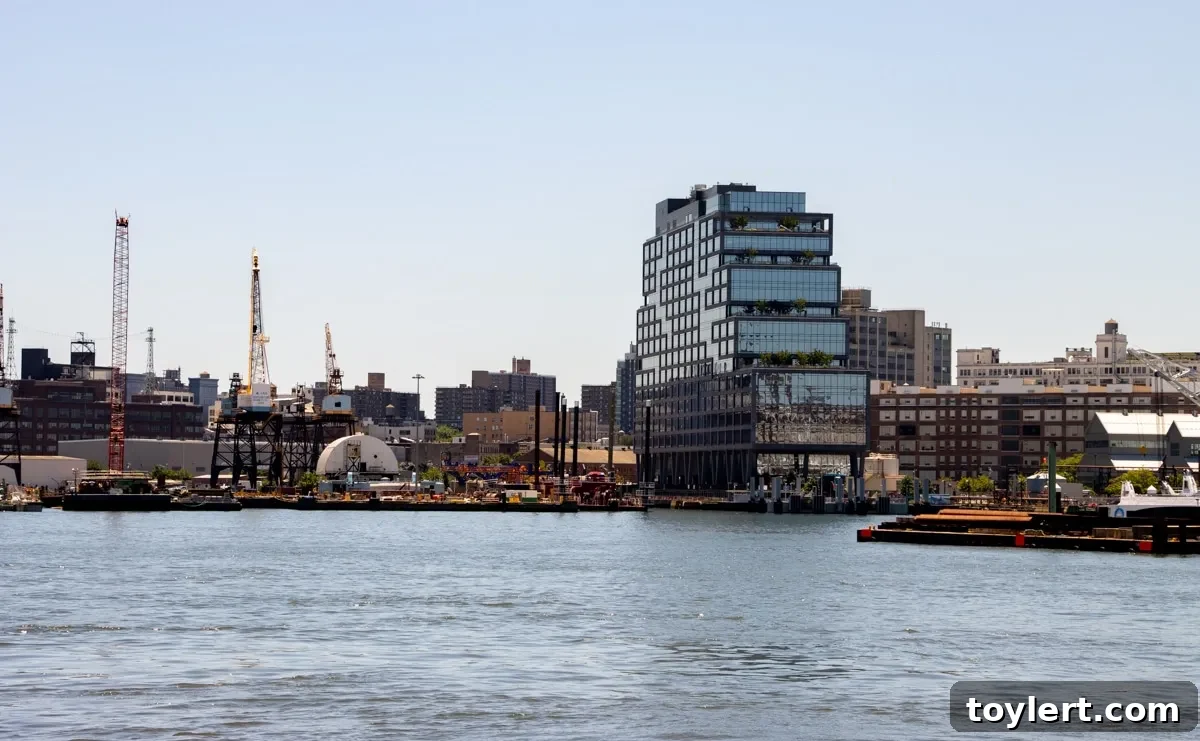
Exploring Brooklyn’s Vibrant Pulse: News and Developments Across the Borough
Brooklyn, New York’s most populous borough, is a dynamic tapestry woven with rich history, diverse communities, and constant evolution. From its iconic landmarks to its bustling neighborhoods, Brooklyn remains a focal point for captivating stories that reflect the unique spirit of urban life. This comprehensive overview delves into recent news and developments shaping the borough, offering insights into its cultural landscape, real estate trends, community initiatives, and ongoing challenges.
The stories emerging from Brooklyn often highlight its dual identity: a borough fiercely protective of its heritage and green spaces, yet always embracing innovation and growth. Whether it’s the latest in Coney Island’s amusement scene, heartfelt community efforts, or significant urban planning debates, Brooklyn’s narrative is perpetually engaging.
In the News Spotlight: A Glimpse into Brooklyn Life
Below, we explore a collection of recent headlines that paint a vivid picture of Brooklyn’s diverse interests, from leisure and lifestyle to critical urban issues. Each story offers a unique window into the borough’s ongoing dialogue and development, reflecting the vibrant energy and persistent challenges of living in one of the world’s most iconic cities.
-
How the Head of Luna Park on Coney Island Spends His Sundays
Coney Island, a legendary destination synonymous with summertime fun and nostalgic charm, continues to be a cornerstone of Brooklyn’s identity. At the heart of its modern resurgence is Luna Park, a beacon of amusement that draws millions of visitors annually. This insightful piece from The New York Times offers a rare glimpse into the personal life of the individual steering this iconic attraction, revealing how even amidst the constant hustle of managing a major entertainment venue, Sundays can still offer moments of reflection and connection to the community.
The leadership of Luna Park is instrumental in preserving Coney Island’s historical legacy while simultaneously innovating for future generations. Their Sundays might involve a blend of strategic planning, observing park operations from a visitor’s perspective, or engaging with local residents and businesses. Such personal stories underscore the dedication required to maintain a cultural institution that holds immense significance for New Yorkers and tourists alike, embodying the enduring spirit of classic Americana within a modern urban context. Coney Island remains a vital economic and cultural engine for South Brooklyn, and the experiences of its leaders often mirror the broader efforts to balance tradition with progress in this unique seaside community.
-
Brooklyn Mom Gives Neighborhood Kids Sidewalk Pools
During the scorching summer months in New York City, finding respite from the heat can be a significant challenge, especially for families without easy access to air conditioning or public pools. This heartwarming story from the New York Post beautifully illustrates the power of community spirit and simple acts of kindness. A Brooklyn mom, recognizing the need and the desire for children to cool off, took it upon herself to create a makeshift oasis on the sidewalk using small pools.
Such initiatives are more than just about beating the heat; they foster a strong sense of neighborhood camaraderie and provide joy where resources might be limited. They highlight the ingenuity and generosity inherent in many Brooklyn communities, where residents often step up to support their neighbors. This particular act not only offered immediate relief and fun for local kids but also became a symbol of how individuals can make a tangible positive impact on their immediate environment, strengthening the social fabric of urban neighborhoods and creating memorable summer experiences.
-
Dozens Testify Against Brooklyn Botanic Garden Development
The Brooklyn Botanic Garden stands as a cherished green sanctuary, offering vital ecological and recreational benefits to one of the most densely populated urban areas in the world. Its serene landscapes and diverse plant collections are invaluable resources for education, conservation, and public enjoyment. Therefore, any development proposal threatening its environmental integrity or aesthetic appeal naturally draws significant public scrutiny and opposition.
This news from the Brooklyn Eagle underscores a recurring theme in urban planning: the delicate balance between development and preservation. The specific concern revolves around a proposed project that could cast significant portions of the garden into shade, potentially harming delicate plant species and altering the garden’s microclimate. The large turnout for testimony demonstrates the profound value the community places on this green space and its willingness to advocate fiercely for its protection. These public hearings are crucial mechanisms for democratic participation, allowing residents, experts, and stakeholders to voice their concerns and influence decisions that have long-term environmental and cultural implications for the borough.
-
Maria the Ice Cream Girl Keeps 80-Year Family Legacy Alive
In a city characterized by rapid change and evolving trends, the endurance of family-run businesses and multi-generational legacies is particularly heartwarming. Maria the Ice Cream Girl, as featured in the Brooklyn Paper, represents not just a vendor but a living piece of Brooklyn’s history and cultural fabric. Her story highlights the dedication required to maintain a small business, especially one that evokes such strong feelings of nostalgia and community connection.
Street vendors, particularly those offering timeless treats like ice cream, play a unique role in the urban landscape, adding character and convenience to daily life. For Maria, continuing an 80-year family tradition is likely a testament to hard work, adaptation, and a deep understanding of her clientele. Such stories celebrate the resilience of local enterprises against the backdrop of large corporations and online commerce, reminding us of the human element and personal touch that often define Brooklyn’s vibrant local economy and charm.
-
The 57 Brooklyn Restaurants Participating in Restaurant Week
New York City Restaurant Week is a biannual culinary event eagerly anticipated by food enthusiasts and a significant boon for the city’s hospitality industry. As highlighted by BK Mag, Brooklyn’s participation is a testament to its burgeoning and incredibly diverse food scene. With 57 restaurants joining the initiative, the borough showcases its wide array of gastronomic offerings, from innovative fine dining to beloved neighborhood eateries representing cuisines from around the globe.
This event not only provides an opportunity for residents and visitors to explore new culinary experiences at attractive price points but also significantly boosts local economies. For participating restaurants, it’s a chance to attract new customers, increase visibility, and generate revenue during what might otherwise be slower periods. Brooklyn’s food culture is a powerful draw, reflecting its multicultural population and its status as a culinary hotspot. Restaurant Week serves as a vibrant celebration of this diversity, reinforcing Brooklyn’s reputation as a prime destination for gastronomic adventure and innovation.
-
Does Brooklyn Heights Have a Record for Sidewalk Shed Duration?
Sidewalk sheds, also known as scaffolding, are a ubiquitous and often frustrating sight across New York City. While undeniably crucial for public safety during construction, renovation, or facade repairs, their prolonged presence can become a significant point of contention for residents and businesses. This inquiry from the Brooklyn Heights Blog taps into a common urban grievance, questioning whether a historic and picturesque neighborhood like Brooklyn Heights might hold an unenviable record for the longevity of these temporary structures.
The persistence of sidewalk sheds can impede pedestrian flow, obstruct storefronts, and detract from the aesthetic appeal of a street, particularly in areas known for their architectural beauty. The underlying reasons for their long duration are complex, often involving intricate building codes, permit delays, funding issues, or the sheer scale of restoration projects, especially on older buildings. This local news piece highlights the ongoing tension between safety regulations, urban development, and the desire for an unobstructed, beautiful public realm in one of Brooklyn’s most distinguished neighborhoods, sparking a broader conversation about urban planning efficiency and accountability.
-
What Sparked Anti-Shelter Protest Where Pol Allegedly Bit Cop
The issue of homelessness and the siting of new shelters remains one of New York City’s most complex and emotionally charged public policy challenges. This headline from The City refers to an anti-shelter protest that reportedly escalated into a physical altercation involving a public official. Such incidents underscore the intense local opposition that often arises when new shelter facilities are proposed within residential communities.
Community concerns frequently revolve around perceived impacts on neighborhood safety, property values, and existing infrastructure, though discussions can sometimes be fraught with misinformation or biases. The broader context includes the city’s legal obligation to provide shelter, the rising homeless population, and the scarcity of suitable locations. Protests, while a vital form of democratic expression, highlight the deep divisions and challenges in finding compassionate and effective solutions to homelessness that also address legitimate community anxieties. This particular event, regardless of its specific details, serves as a stark reminder of the often-volatile intersection of social policy, community activism, and law enforcement in urban environments.
-
The City’s Quiet Crackdown on Kava Bars
The emergence of kava and kratom bars across New York City reflects a growing trend in alternative wellness and social spaces. These establishments offer beverages derived from plants known for their relaxing or stimulant properties, presenting a novel alternative to traditional alcohol-centric venues. However, as highlighted by Curbed, their proliferation has also drawn the attention of city health authorities, leading to a “quiet crackdown.”
The legal status and health implications of kava and kratom are subjects of ongoing debate and scientific scrutiny. While these substances are legal, their regulation can be complex, particularly when marketed as food or beverages. Health officials often express concerns regarding dosage, purity, potential health risks, and the lack of robust regulatory frameworks comparable to those for alcohol. This discreet enforcement action underscores the city’s proactive approach to public health and consumer safety, especially in nascent industries, and highlights the continuous challenge of regulating new products and businesses within a dynamic urban market. It also signals a broader conversation about public health policy concerning alternative substances and their role in social consumption.
-
Brooks Brothers CEO Buys Prospect Heights Condo
Prospect Heights, a charming and increasingly sought-after neighborhood in Brooklyn, continues to attract high-profile residents, as evidenced by this report from The Real Deal about the Brooks Brothers CEO acquiring a condo there. This real estate transaction is more than just a personal purchase; it reflects broader trends in Brooklyn’s luxury housing market and the ongoing appeal of the borough to affluent individuals.
Prospect Heights boasts a unique blend of historic architecture, tree-lined streets, proximity to cultural institutions like the Brooklyn Museum and Prospect Park, and a vibrant local dining scene. These attributes make it an attractive location for those seeking a blend of urban sophistication and neighborhood charm. The involvement of a prominent business leader in the local real estate market further solidifies Brooklyn’s status as a desirable residential destination, capable of competing with Manhattan for top-tier talent and residents. This news item subtly underscores the continued economic vitality and residential allure of Brooklyn, where luxury properties are increasingly in demand.
-
95 North 6th Street Tops Out in Williamsburg
The “topping out” ceremony, which celebrates the placement of the final beam on a structure, is a significant milestone in any major construction project, symbolizing a crucial step towards completion. This news from New York YIMBY about 95 North 6th Street topping out in Williamsburg highlights the relentless pace of development transforming this iconic Brooklyn neighborhood. Williamsburg has undergone a dramatic transformation over the past few decades, evolving from an industrial hub into one of New York City’s most fashionable and densely populated residential areas.
The construction of new residential and commercial buildings like 95 North 6th Street is critical for accommodating Brooklyn’s growing population and demand for modern living spaces. These developments often feature contemporary architectural designs, state-of-the-art amenities, and strategic locations that offer stunning city views and convenient access to public transit. The topping out of this building signifies the ongoing vertical growth of Williamsburg, further cementing its role as a dynamic epicenter of culture, commerce, and upscale urban living within Brooklyn. It reflects the continued investment in Brooklyn’s infrastructure and residential capacity, shaping the borough’s skyline for future generations.
Brooklyn’s Enduring Appeal and Future Directions
The diverse range of stories presented above paints a comprehensive picture of Brooklyn as a borough in constant motion. From the enduring magic of Coney Island and the spirited community actions of its residents to the critical debates surrounding urban development and the flourishing culinary scene, Brooklyn consistently offers a rich narrative. These headlines reveal a borough that actively grapples with the challenges of urban living—housing, environmental preservation, social equity—while simultaneously celebrating its unique character, innovation, and unwavering sense of community.
Brooklyn’s future promises continued growth and transformation, driven by its diverse population and its pivotal role in New York City’s cultural and economic landscape. The debates over development, the rise of new businesses, and the persistent efforts of its citizens to shape their neighborhoods all contribute to a vibrant, complex, and utterly compelling urban experience. As Brooklyn continues to evolve, it remains a testament to the resilience, creativity, and community spirit that define this extraordinary borough.