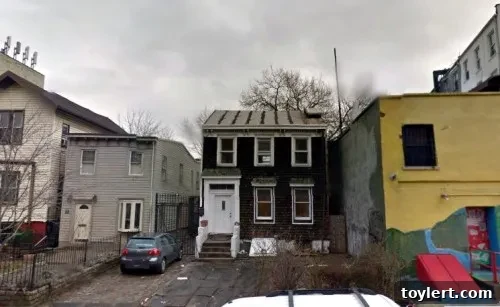
Building of the Day: 141 Clermont Avenue – A Fort Greene Gem in Brooklyn
Brooklyn, one building at a time, unveils its rich tapestry of history, community, and unparalleled charm. Today, our spotlight shines on a quintessential example of Brooklyn’s enduring architectural legacy: 141 Clermont Avenue. This private house, nestled in the heart of Fort Greene, offers a captivating glimpse into the borough’s past while standing as a vibrant testament to its present appeal. More than just a structure, 141 Clermont Avenue embodies the aspirations and elegant design of a bygone era, seamlessly integrated into modern city living.
Discovering Fort Greene’s Architectural Heritage
Fort Greene is renowned for its tree-lined streets, historic brownstones, and a distinctive sense of community that sets it apart. The neighborhood’s origins trace back to the 18th century, playing a significant role in the American Revolutionary War. However, its most visible architectural character emerged in the 19th century, particularly after the Civil War, when Brooklyn experienced rapid growth and prosperity. This period saw the construction of countless row houses, primarily in the Italianate, Neo-Grec, and Queen Anne styles, contributing to the picturesque streetscapes we admire today.
Clermont Avenue itself is a testament to this architectural boom, featuring a harmonious collection of homes that speak volumes about the craftsmanship and design sensibilities of the time. Walking along Clermont Avenue, one can’t help but feel transported to an earlier age, where attention to detail and a commitment to aesthetic beauty were paramount.
The Enduring Charm of 141 Clermont Avenue
As a private house, 141 Clermont Avenue stands as a proud representative of Fort Greene’s residential elegance. While specific historical records for every single house may vary, properties of this nature typically feature robust brick or brownstone facades, grand stoops, and intricate decorative elements that signify their historical pedigree. These homes were designed for permanence and prestige, offering generous living spaces across multiple floors, often including a parlor floor for entertaining, a garden level for more casual family life, and upper floors for bedrooms.
The allure of a Brooklyn private house like 141 Clermont Avenue extends beyond its historical aesthetics. It’s about the lifestyle it offers: the privacy of a stand-alone home combined with the vibrancy of urban living. Residents enjoy the serenity of their private abode, complete with potential garden spaces, while being mere steps away from world-class cultural institutions, diverse dining options, and convenient transportation.
A Glimpse into Brooklyn’s Past: Architectural Style and Features
Properties like 141 Clermont Avenue often showcase a rich blend of architectural influences prevalent in mid-to-late 19th century Brooklyn. While exact styles can vary from house to house, many Fort Greene brownstones exhibit characteristics of the Italianate style, known for its wide cornices, ornate window hoods, and stoops. Others might lean towards the more structured lines of Neo-Grec architecture, or the whimsical details of Queen Anne style, featuring turrets, bay windows, and varied textures. Regardless of the precise style, these homes share a common thread of quality construction and an undeniable visual appeal.
Classic Brownstone Allure
A distinctive feature of many Brooklyn private houses, including likely 141 Clermont Avenue, is the brownstone facade. Quarried from New Jersey and Connecticut, this reddish-brown sandstone became a favored material for its durability and aesthetic appeal during the Victorian era. The warm, earthy tones of brownstone create a welcoming and elegant presence on the street, developing a unique patina over generations that only enhances its character. The stoop, another iconic element, not only serves a practical purpose—elevating the main living floor above street level for privacy and light—but also acts as a social space, a quintessential symbol of Brooklyn neighborhood life.
Beyond the facade, one can often find a plethora of intricate details: delicately carved lintels and sills around windows, decorative cornices adorning the roofline, and sometimes even ironwork railings that speak to the artistic trends of their time. These elements are not merely functional; they are artistic expressions that contribute to the overall grandeur and historical integrity of the building.
Inside the Private House: A Blend of History and Modern Potential
Stepping inside a private house on Clermont Avenue typically reveals spacious interiors characterized by high ceilings, original hardwood floors, intricate moldings, and often multiple fireplaces. These architectural details are highly sought after today, offering a unique blend of historical ambiance and modern comfort. The layout usually features a grand entrance leading to a formal parlor floor, ideal for entertaining guests, followed by a more casual garden level with direct access to a backyard space – a precious amenity in New York City.
Modern homeowners often embark on renovations that carefully balance preserving these historic features with incorporating contemporary amenities. This might involve updating kitchens and bathrooms with state-of-the-art fixtures, enhancing energy efficiency, or reconfiguring spaces to suit modern family needs, all while respecting the original character of the home. The result is a living space that offers the best of both worlds: the charm and gravitas of a historic Brooklyn residence with the functionality and luxury of a modern dwelling.
The Vibrant Neighborhood of Fort Greene
Living at 141 Clermont Avenue means being immersed in the dynamic and culturally rich neighborhood of Fort Greene. This area has evolved significantly over the decades, transforming from a working-class community into one of Brooklyn’s most desirable residential enclaves, known for its diverse population, artistic spirit, and abundant green spaces.
Culture, Green Spaces, and Community Life
Fort Greene Park, a Frederick Law Olmsted and Calvert Vaux-designed masterpiece (the same landscape architects behind Central Park), serves as the neighborhood’s verdant heart. It offers residents sprawling lawns, tennis courts, a children’s playground, and breathtaking views of the Manhattan skyline, making it a perfect urban oasis for recreation and relaxation. The park also hosts various community events and farmers’ markets, fostering a strong sense of local camaraderie.
The cultural scene in Fort Greene is equally vibrant. The Brooklyn Academy of Music (BAM) is a world-renowned arts institution, offering cutting-edge theater, dance, film, and music performances. Additionally, smaller galleries, independent boutiques, and charming cafes dot the neighborhood, providing endless opportunities for exploration and engagement. Lafayette Avenue, a major thoroughfare, is lined with an array of restaurants, from casual eateries to upscale dining establishments, catering to every palate.
Connectivity and Convenience
One of Fort Greene’s significant advantages is its exceptional connectivity. Multiple subway lines (2, 3, 4, 5, B, Q, R, C, G) are easily accessible, providing swift commutes to Manhattan and other parts of Brooklyn. The Atlantic Terminal, a major transportation hub, is also nearby, offering access to Long Island Rail Road and a variety of retail options at Atlantic Center and Barclays Center. This blend of tranquility and accessibility makes Fort Greene, and by extension, 141 Clermont Avenue, an ideal location for urban dwellers seeking a high quality of life without sacrificing convenience.
The Enduring Legacy of Brooklyn’s Private Homes
The story of 141 Clermont Avenue is part of a larger narrative about Brooklyn’s architectural legacy. These private homes represent not just individual residences but vital components of a collective history, reflecting periods of growth, innovation, and changing urban landscapes. Their preservation is crucial for maintaining the borough’s unique character and providing tangible links to its past.
Preserving Architectural Integrity
Efforts by local historical societies and community groups, alongside the dedication of individual homeowners, play a pivotal role in ensuring that these architectural treasures endure. Guidelines for historic districts help maintain the aesthetic coherence of areas like Fort Greene, ensuring that new developments or renovations respect the existing architectural fabric. Owning a historic private house often comes with a sense of stewardship, a responsibility to preserve its beauty and integrity for future generations.
Why 141 Clermont Avenue Represents the Best of Brooklyn Living
In essence, 141 Clermont Avenue is more than just an address; it’s an invitation to experience the very best of Brooklyn living. It offers the elegance of historic architecture, the comfort of a spacious private home, and the vibrancy of a thriving, culturally rich neighborhood. It’s a place where history meets modernity, where community thrives amidst urban energy, and where every brick tells a story.
A Timeless Investment in History and Lifestyle
For those seeking a home that offers both character and convenience, 141 Clermont Avenue, much like its neighbors, presents an exceptional opportunity. It’s an investment not only in real estate but in a lifestyle deeply rooted in Brooklyn’s unique charm and heritage. Such properties continue to be highly coveted, representing stability, beauty, and a connection to a vibrant past that continues to shape a dynamic future.
Conclusion: More Than Just a House, A Piece of Brooklyn’s Heart
Our “Building of the Day” series seeks to highlight the remarkable structures that collectively define Brooklyn. 141 Clermont Avenue stands out as a prime example of the borough’s residential splendor. It’s a magnificent private house, rich in history and architectural detail, perfectly situated in one of Brooklyn’s most beloved neighborhoods. It reminds us that behind every facade lies a story, and within every home, the heartbeat of a community.
This enduring appeal ensures that homes like 141 Clermont Avenue will continue to be cherished for generations, serving as timeless symbols of Brooklyn’s architectural grandeur and its everlasting spirit.