The Architectural Rebirth of 408 Fulton Street: A New Era for Downtown Brooklyn’s Historic Woolworth Site
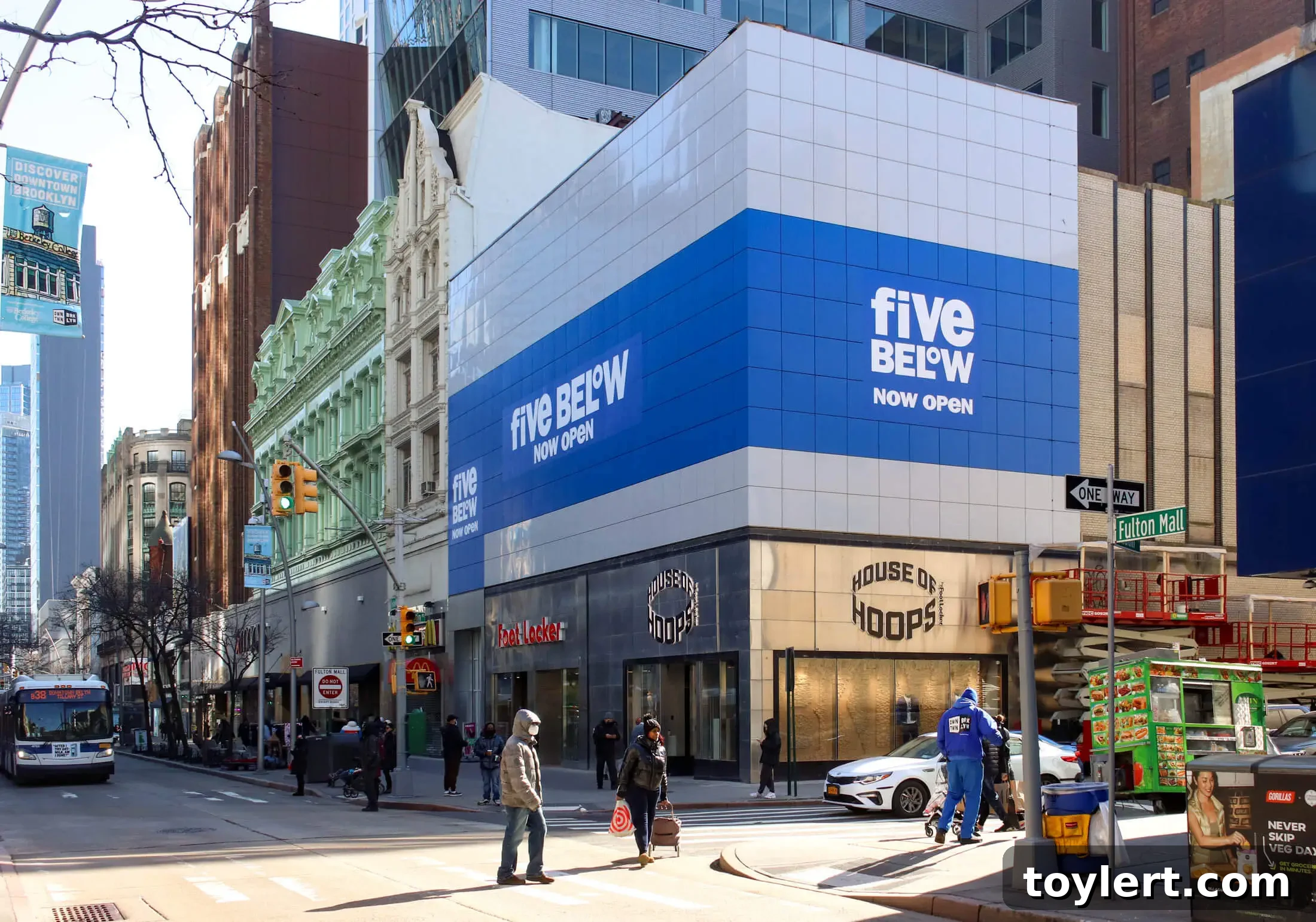
The skyline of Downtown Brooklyn has recently witnessed a significant transformation at 408 Fulton Street, a site steeped in history as the former F.W. Woolworth store. What once stood as a testament to Art Deco elegance, characterized by its streamlined limestone facade, has now been completely reimagined. The building’s exterior has undergone a dramatic renovation, now enveloped in a sleek, modern shell of gray and bright blue panels, marking a distinct departure from its storied past. This extensive overhaul signifies not just a change in aesthetics but a clear pivot towards a contemporary retail experience, as a new discount retailer now occupies the expansive upper floor, joining the established Foot Locker on the lower level.
This striking new appearance resonates with the current architectural trends prevalent in the bustling commercial district, drawing comparisons to the modern facade of the Gap store located directly across the street. The transformation of 408 Fulton Street is more than a simple renovation; it represents a bold statement in urban redevelopment, reflecting the dynamic evolution of Downtown Brooklyn from a traditional retail core to a vibrant, multi-faceted commercial and residential hub.
From Art Deco Grandeur to Contemporary Retail Hub
For decades, the F.W. Woolworth building at 408 Fulton Street was an iconic landmark, its graceful Art Deco limestone facade a prominent feature on one of Brooklyn’s busiest thoroughfares. This architectural style, renowned for its geometric patterns, rich ornamentation, and sleek lines, evoked an era of optimism and progress. The building wasn’t just a structure; it was a piece of living history, a reminder of Woolworth’s golden age and its indelible mark on American retail culture. Shoppers, commuters, and residents alike recognized its distinctive character, a blend of historical charm and robust commercial activity.
The recent renovation has fundamentally altered this perception. The traditional limestone has given way to an advanced composite panel system, predominantly in shades of gray, accented with vibrant blue elements that provide a contemporary visual punch. This choice of materials and color palette reflects a deliberate move towards a modern, streamlined aesthetic that prioritizes visual impact and low maintenance. The building now projects an image of modernity, designed to appeal to the diverse and ever-changing demographic that frequents Fulton Street today. The shift from intricate historical detail to clean, geometric lines underscores a broader trend in urban renewal, where older structures are often re-envisioned to meet the demands and tastes of the 21st century.
Unveiling the Transformation: A Closer Look at the New Facade
The extensive nature of the renovation became fully apparent last month when the scaffolding, which had encased the building for an extended period, was finally removed. This grand unveiling allowed the public to get a first clear view of the new cladding, a striking composition of modern materials and design. Workers had been meticulously preparing for the installation of this new facade, a process that involved careful planning and execution to ensure durability and aesthetic appeal. The visible changes are dramatic: where once there were ornate details and natural stone textures, there are now smooth, uniform surfaces that catch the light differently and give the building an entirely new character. The choice of gray provides a sophisticated, neutral base, while the bright blue panels introduce a lively and energetic accent, preventing the facade from appearing monotonous.
The project’s timeline indicates a thoughtful approach to revitalization. Plans for these significant exterior repairs and upgrades were officially approved in April of 2021, signaling the commencement of this ambitious undertaking. Steven Gambino of Architectural Collaborative has been credited as the architect of record for this intricate work, overseeing the design and implementation of the structural and aesthetic changes. His vision aimed to infuse the historic site with a renewed sense of purpose and modernity, ensuring that 408 Fulton Street would continue to be a prominent fixture in Downtown Brooklyn’s evolving urban fabric. The completion of this phase marks a pivotal moment in the building’s long history, signaling its full integration into the contemporary landscape of the neighborhood.
A Storied Past: The Legacy of F.W. Woolworth on Fulton Street
The name Woolworth evokes a powerful sense of nostalgia and a foundational chapter in American retail history. F.W. Woolworth was a pioneer in the “five-and-dime” concept, democratizing shopping and making a wide array of goods accessible to the masses at affordable prices. The Fulton Street location was more than just a store; it was a bustling community hub, a place where generations of Brooklynites shopped for everything from household essentials to trinkets and treats. It embodied the vibrant, pedestrian-friendly commercial culture that defined Fulton Street for much of the 20th century. The building’s original Art Deco design, characteristic of many Woolworth stores, reflected a period of economic expansion and architectural flair, serving as a beacon of commerce and modernity in its time.
Fulton Street’s Evolving Landscape: A Microcosm of Downtown Brooklyn’s Growth
Fulton Street itself has long been a barometer for the broader changes sweeping across Downtown Brooklyn. Historically, it was a traditional retail corridor, home to department stores and local businesses that catered to a diverse working-class population. In recent decades, however, Downtown Brooklyn has experienced an unprecedented period of revitalization, transforming into a magnet for commercial enterprises, luxury residential developments, and cultural institutions. The influx of new residents, students, and businesses has reshaped the street’s demographics and consumer preferences. The renovation of 408 Fulton Street, therefore, is not an isolated event but rather a prime example of how older structures are being repurposed and modernized to align with the area’s ongoing gentrification and upscale development. It reflects a strategic effort to maintain Fulton Street’s prominence as a dynamic retail destination while catering to a new generation of shoppers.
New Occupants for a Modern Age: Foot Locker and Five Below
The building at 408 Fulton Street continues its legacy as a commercial powerhouse, now housing tenants that perfectly reflect contemporary retail trends. Foot Locker, a well-established global retailer specializing in athletic footwear and apparel, has long occupied the lower level, drawing a consistent flow of customers seeking the latest in sneaker culture and sports fashion. Its presence anchors the building within the vibrant street-level retail environment, attracting a youthful and fashion-conscious demographic. The integration of such a prominent brand ensures continued foot traffic and commercial vitality for the property.
Complementing Foot Locker, the newly renovated upper floor has welcomed Five Below, a popular discount retailer known for offering a wide array of products, from tech gadgets and home decor to toys and fashion accessories, all typically priced at $5 or less. This strategic addition diversifies the building’s retail offerings, appealing to a broad segment of the population looking for value and variety. Five Below’s business model aligns well with the evolving consumer habits in urban centers, where accessibility and affordability are key drivers for shoppers. Together, Foot Locker and Five Below create a compelling retail synergy, catering to different yet overlapping market segments and ensuring that 408 Fulton Street remains a relevant and attractive shopping destination in the heart of Downtown Brooklyn.
The Design and Development Team Behind the Renovation
The successful execution of such a significant architectural undertaking requires a dedicated and experienced team. Steven Gambino of Architectural Collaborative played a crucial role as the architect of record, translating the vision for a modern transformation into tangible design plans. His firm’s expertise in navigating urban development projects and understanding the complexities of integrating new designs with existing structures was instrumental. The approval process, which commenced in April 2021, involved meticulous planning and adherence to local zoning and building regulations, ensuring that the renovation met all necessary standards while achieving its aesthetic and functional goals.
Behind the long-term investment and strategic direction of the property is Wharton Properties, which has owned the building since acquiring it from Macy’s in 2001. Jeffrey Sutton, the principal of Wharton Properties, is known for his extensive portfolio of prime retail real estate and his keen eye for valuable urban assets. His firm’s decision to undertake such a comprehensive renovation underscores a commitment to maximizing the property’s potential and solidifying its position within the competitive Downtown Brooklyn market. This long-term ownership and investment reflect confidence in the continued growth and desirability of Fulton Street as a premier retail and commercial corridor, reinforcing the narrative of Brooklyn’s ongoing revitalization.
Balancing Heritage and Progress: The Ongoing Debate
The transformation of 408 Fulton Street inevitably sparks conversations about the delicate balance between historical preservation and urban modernization. While the Art Deco facade of the former Woolworth building held significant architectural and cultural heritage, its physical state and contemporary commercial requirements necessitated an intervention. The new design, while distinctly modern, aims to infuse renewed vitality into the structure, ensuring its commercial viability for decades to come. This project serves as a microcosm of a broader urban dilemma: how to adapt beloved, historic buildings for contemporary use without entirely erasing their past. The pragmatic necessity of attracting new tenants and enhancing functionality often weighs heavily against the desire to retain original architectural elements. The redesign of 408 Fulton Street champions progress, demonstrating a commitment to creating a vibrant, future-oriented urban landscape that can accommodate evolving consumer demands and architectural tastes.
The Future of Fulton Street: A Dynamic Retail Destination
The completion of the 408 Fulton Street renovation marks a significant milestone in the ongoing narrative of Downtown Brooklyn’s evolution. This building, once a symbol of early 20th-century retail, now stands as a beacon of modern urban commerce, perfectly poised to meet the demands of today’s dynamic retail environment. Its refreshed appearance and contemporary tenant mix ensure its continued relevance as a key player on Fulton Street. The transformation embodies the spirit of adaptability and progress that defines Brooklyn itself, a borough constantly reinventing itself while honoring its rich history. As new developments continue to shape the skyline and new businesses flock to the area, 408 Fulton Street will undoubtedly remain a bustling and integral part of Fulton Street’s vibrant future, a testament to thoughtful urban revitalization and strategic commercial investment.
The new look resembles the Gap across the street.
After scaffolding around the building at 408 Fulton Street in Downtown Brooklyn came down, the new cladding was visible last month as workers prepped to install a new facade. Plans for exterior repairs on the building, which houses a Foot Locker on the lower level, were approved in April of 2021. Steven Gambino of Architectural Collaborative is the architect of record for the work. The building has been owned by Wharton Properties since it was sold by Macy’s in 2001.