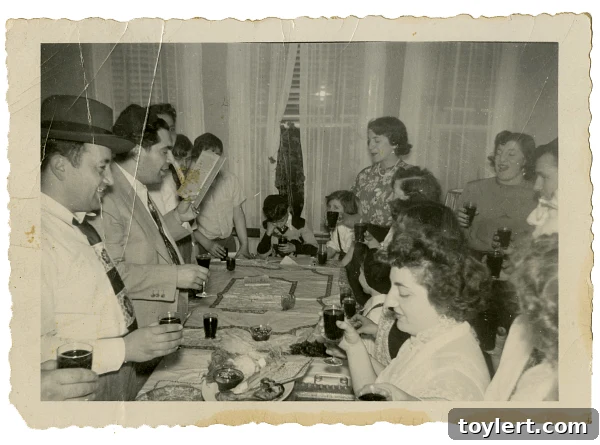
In an age where geographical boundaries often blur and connections thrive virtually, the vibrant culinary landscape of Brooklyn’s diverse Jewish communities comes alive through an exceptional online experience. You no longer need to walk the bustling streets of Borough Park or Brighton Beach to savor the rich tapestry of flavors; a captivating virtual program brings the essence of Jewish Brooklyn right into your home, celebrating a heritage as complex and flavorful as the dishes themselves.
“Jewish Brooklyn: From Gefilte Fish to Kibbeh” stands as the inaugural event in a groundbreaking three-part series, meticulously curated by the esteemed Center for Brooklyn History. Over the next two months, this series promises to offer an unparalleled exploration into the multifaceted dimensions of Jewish life within Brooklyn, a borough synonymous with cultural richness and historical depth. The initial program, in particular, dedicates its focus to the profoundly distinct and delicious food traditions nurtured by Brooklyn’s Syrian and Russian Jewish communities. These two culinary pillars, though vastly different in origin and flavor profile, collectively paint a comprehensive picture of the adaptability, resilience, and celebratory spirit inherent in Jewish culture.
Guiding this gastronomic journey is moderator Jeffrey Yoskowitz, a celebrated author and the co-owner of The Gefilteria, a venture dedicated to re-imagining and elevating traditional Ashkenazi Jewish cuisine. Yoskowitz’s expertise bridges the past and the present, offering insights into the evolution of Jewish food. He is joined by an extraordinary panel of culinary luminaries: Jennifer Abadi, a renowned Sephardic food expert whose work meticulously preserves and shares the intricate flavors of Middle Eastern Jewish cooking, with a particular emphasis on Syrian traditions; Boris Fishman, a captivating voice and expert on Russian food, bringing his unique perspective on the culinary heritage of Eastern European Jewry and its adaptations; and Jane Ziegelman, an esteemed culinary historian, whose profound knowledge provides crucial historical context and illuminates the broader cultural significance of the dishes being discussed. This confluence of expertise guarantees a rich, insightful, and deeply engaging conversation, promising to unravel the stories behind each ingredient and technique.
The program extends beyond a mere discussion; participants are invited to witness engaging demonstrations, offering a tantalizing glimpse into the preparation of these iconic dishes. Imagine learning the nuanced art of preparing a delicate gefilte fish or the robust technique behind crafting perfect kibbeh, all from the comfort of your own kitchen. Furthermore, attendees will gain exclusive access to some of the most compelling highlights from the Center for Brooklyn History’s remarkable Jewish History Collection. This unique opportunity allows for a virtual stroll through historical artifacts, photographs, and documents that provide tangible links to the communities and traditions being celebrated, deepening the understanding of their profound impact on Brooklyn’s identity.
The virtual format of this event underscores its commitment to accessibility and inclusivity. Taking place via Zoom, the first conversation is scheduled for 6:30 p.m. on Thursday, March 11. This innovative approach allows a global audience to participate in a discussion that is both local in its focus and universal in its themes of heritage, identity, and the power of food to connect generations. Despite its immense value, this program is offered free of charge, reflecting the Center’s dedication to public education and cultural enrichment. However, online registration is essential to secure your virtual seat and receive the necessary login details, ensuring a smooth and organized experience for all attendees. This simple step is your gateway to an evening of culinary discovery and historical enlightenment.
For those eager to delve deeper into the specifics of this captivating event, including speaker biographies, a detailed agenda, and instructions for registration, a comprehensive resource is readily available. You can find all pertinent information by visiting the official event page online. This page serves as your primary hub for all inquiries, providing a seamless pathway to engage with this extraordinary series.
The culinary traditions of Brooklyn’s Jewish communities are a testament to immigration, adaptation, and the enduring power of cultural preservation. Gefilte fish, often associated with Ashkenazi Jewish cuisine, particularly from Eastern Europe (like the Russian Jewish community in Brooklyn), represents a rich history of resourcefulness and celebration. Traditionally served on Shabbat and holidays, this dish is far more than just minced fish; it’s a symbol of gathering, memory, and a connection to ancestral lands. Its evolution in Brooklyn kitchens reflects generations adapting recipes to new ingredients and tastes while honoring its deep roots. Similarly, kibbeh, a staple of Sephardic and Mizrahi Jewish communities, especially the Syrian Jews who established a vibrant presence in neighborhoods like Bensonhurst and Flatbush, showcases the culinary influences of the Middle East. Whether baked, fried, or raw, kibbeh made from bulgur wheat, minced onions, and ground meat, often lamb, is a centerpiece of Syrian Jewish meals, signifying hospitality, family, and a proud heritage brought across oceans to Brooklyn’s shores. The journey “From Gefilte Fish to Kibbeh” is not just about two dishes; it’s a journey through centuries of Jewish migration, resilience, and the beautiful diversity forged within the crucible of Brooklyn.
Brooklyn, a melting pot of cultures, has historically welcomed waves of Jewish immigrants, each group contributing uniquely to the borough’s dynamic social and culinary fabric. The Syrian Jewish community, arriving primarily from Aleppo and Damascus in the early 20th century, meticulously rebuilt their communal life in Brooklyn, establishing synagogues, schools, and businesses that mirrored their traditions. Their cuisine, vibrant with spices like cumin, allspice, and cinnamon, and rich with ingredients like chickpeas, lentils, and olive oil, became a defining aspect of their identity, passed down through generations. Dishes like *lahm bi’ajeen* (meat pizzas), *ma’amoul* (semolina cookies), and various *meze* platters are integral to their celebrations and daily life, showcasing a profound connection to their Sephardic roots. In contrast, the Russian Jewish community, which saw significant growth particularly in the post-Soviet era, brought with them the hearty, comforting flavors of Eastern Europe. Staples like *borscht*, *vareniki* (dumplings), and various smoked fish and pickled vegetables form the bedrock of their culinary identity. These traditions, adapted and sometimes fused with American influences, thrive in neighborhoods like Brighton Beach, often dubbed “Little Odessa.” The Center for Brooklyn History’s program beautifully highlights how these distinct culinary narratives coexist and enrich the broader cultural tapestry of Jewish Brooklyn.
The expertise gathered for this panel is truly exceptional. Jeffrey Yoskowitz, through The Gefilteria, has been instrumental in shifting perceptions of traditional Jewish foods, demonstrating that they can be both authentic and innovative, appealing to a contemporary palate while respecting their historical lineage. His work exemplifies the ongoing evolution of Jewish cuisine. Jennifer Abadi’s dedication to Sephardic food, evidenced in her acclaimed cookbooks and workshops, ensures that the nuanced flavors and techniques of Syrian Jewish cooking are not only preserved but celebrated and accessible to a wider audience. Her contributions help demystify and honor a culinary tradition often overshadowed by Ashkenazi cuisine. Boris Fishman brings a compelling literary and personal perspective to Russian food, exploring how it shapes identity and memory, especially for immigrants adapting to new environments. His insights promise to add a deeply personal and reflective layer to the discussion. And Jane Ziegelman, as a culinary historian, grounds the conversation in rigorous research, providing the essential context that explains why certain foods became central to specific communities and how they functioned as cultural markers throughout history. Together, these experts will not just talk about food; they will explore its soul, its history, and its profound cultural significance within Brooklyn’s diverse Jewish communities.
The decision by the Center for Brooklyn History to host this event virtually is particularly poignant and powerful in our current global climate. Virtual programs break down geographical barriers, allowing individuals from around the world to participate and learn. This accessibility is crucial for cultural institutions aiming to reach a broader audience beyond their immediate physical vicinity. Moreover, the intimacy of a virtual setting for culinary demonstrations can be highly effective, enabling close-up views of cooking techniques that might be challenging in a large in-person audience. The interactive chat feature further enhances the experience, fostering direct engagement between the audience and the experts, allowing for questions, shared anecdotes, and a dynamic exchange of ideas. This format ensures that the rich historical and culinary insights are not only disseminated but also deeply absorbed and appreciated by a wider, more engaged community. It is a modern testament to how institutions are innovating to keep history alive and relevant.
The Center for Brooklyn History, an institution deeply committed to preserving and promoting the rich and complex history of Brooklyn, plays an indispensable role in programs like this. Its mission extends beyond mere archiving; it actively seeks to engage the public through educational initiatives, exhibitions, and community dialogues that shed light on the diverse narratives that have shaped the borough. The Jewish History Collection, a treasure trove within the Center’s archives, comprises an invaluable array of materials, including personal papers, organizational records, photographs, oral histories, and yes, even historic recipes, all of which document the vibrant life and contributions of Jewish communities in Brooklyn over centuries. Providing a glimpse into this collection during the virtual program is a thoughtful addition, offering participants a tangible connection to the past and reinforcing the academic rigor that underpins the culinary discussions. It transforms the event from a simple talk into a multi-sensory and intellectually stimulating exploration of heritage.
This inaugural program, “Jewish Brooklyn: From Gefilte Fish to Kibbeh,” is more than just an event; it is a celebration of culinary heritage, a profound exploration of identity, and a vibrant testament to the enduring spirit of Brooklyn’s Jewish communities. It serves as an essential gateway into a broader understanding of how food acts as a powerful conduit for culture, memory, and connection. As the first installment in a three-part series, it sets a high standard for the rich discussions and discoveries yet to come, promising to leave participants with both a deeper appreciation for Jewish cuisine and a strengthened connection to the history that shaped it. Don’t miss this opportunity to embark on a flavorful journey through the heart of Jewish Brooklyn’s culinary traditions. Be sure to register online and mark your calendar for an evening that promises to be as enlightening as it is delicious. For comprehensive details and to secure your participation, please refer to the event page online. Join us in celebrating the diverse and delectable world of Jewish food in Brooklyn.