Transforming Downtown Brooklyn: The Vital Role of New Bike Lane Connections
In an exciting development for urban cyclists and proponents of sustainable transportation, a significant proposal has emerged from Brooklyn’s Community Board 2 (CB2) aimed at expanding and connecting the cycling network in the bustling heart of Downtown Brooklyn. This initiative seeks to introduce crucial new bike lanes on Rockwell Place and Ashland, promising enhanced connectivity and accessibility for residents and commuters alike.
A Strategic Expansion: Connecting Key Brooklyn Corridors
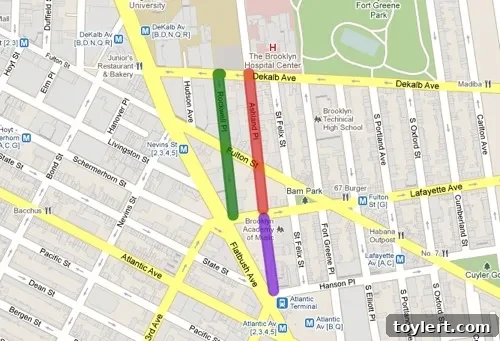
The proposal, recently championed by CB2 and slated for review by the Department of Transportation (DOT), outlines the installation of two pivotal bike lane segments. The first is planned for Rockwell Place, spanning the distance between DeKalb Avenue and Lafayette Street. The second, equally critical, will be established on Ashland, extending from DeKalb Avenue to Hanson Place. These carefully selected routes are not arbitrary additions; they represent strategic links designed to integrate seamlessly into Brooklyn’s existing cycling infrastructure.
The primary objective behind these proposed lanes is to forge vital connections. Specifically, they aim to link the established Ashland Place and DeKalb Avenue bike lanes with the prominent Schermerhorn Street-Lafayette Avenue bike lane. This connection is more than just an extension; it’s about creating a cohesive, uninterrupted network that empowers cyclists to navigate the borough with greater ease and safety. A particularly notable benefit highlighted by the proposal is the ability for residents to “pedal their way to Atlantic Terminal,” a major transportation hub and commercial center that serves as a gateway to various subway lines, the Long Island Rail Road, and countless shops and amenities. This direct access represents a significant upgrade for multimodal commuters and local shoppers.
Timing is also a crucial element of this project. Ideally, the implementation of these new lanes would coincide with the ongoing repaving efforts on Ashland. Such coordination is not only cost-effective but also minimizes disruption to local traffic and ensures a smoother, more integrated transition for the new infrastructure. Following its thorough review and approval by Community Board 2, the proposal has now advanced to the DOT for their expert assessment and final consideration. This collaborative approach underscores the importance of community input in shaping urban development projects.
The Growing Appeal of Urban Cycling in Brooklyn
Brooklyn has long been a vibrant hub for cycling culture within New York City. Its diverse neighborhoods, expansive green spaces, and a continuously growing network of dedicated bike lanes have positioned it as a leader in urban cycling. The increasing number of residents choosing bicycles for commuting, leisure, and daily errands reflects a broader shift towards more sustainable and active lifestyles. This trend is not merely about recreation; it’s a testament to the practical benefits that cycling offers in a dense urban environment.
The benefits of robust cycling infrastructure extend far beyond individual riders. They contribute significantly to the overall well-being and sustainability of the city:
- Environmental Impact: Each bicycle trip replaces a potential car trip, leading to reduced carbon emissions, improved air quality, and a smaller carbon footprint for the city.
- Health and Wellness: Cycling is an excellent form of physical exercise, promoting cardiovascular health, reducing stress, and enhancing overall mental well-being for participants.
- Economic Advantages: For individuals, cycling drastically cuts down on transportation costs. For local businesses, studies suggest that cyclists tend to make more frequent, smaller purchases and can contribute to increased foot traffic in commercial districts.
- Reduced Traffic Congestion: More people on bikes means fewer cars on the road, alleviating traffic jams and shortening travel times for everyone.
- Enhanced Street Safety: Well-designed bike lanes often incorporate traffic calming measures, which can make streets safer for pedestrians and motorists as well.
- Community Connectivity: Accessible bike lanes foster a sense of community by encouraging people to explore their neighborhoods and connect with local establishments.
The Power of Community Engagement in Urban Planning
The role of Community Board 2 in initiating and approving this proposal cannot be overstated. Community Boards in New York City serve as vital conduits between local residents and government agencies, ensuring that the unique needs and perspectives of neighborhoods are heard and addressed in urban planning decisions.
CB2’s proactive stance in identifying the need for these specific bike lane extensions demonstrates a commitment to improving the quality of life for its constituents. Their process typically involves:
- Identifying Needs: Listening to residents’ concerns and suggestions regarding transportation and infrastructure.
- Developing Proposals: Collaborating with local stakeholders and experts to craft practical solutions.
- Public Hearings and Discussion: Allowing for open debate and feedback from the community.
- Voting and Approval: Formalizing the proposal before submitting it to the relevant city agencies, like the DOT.
This bottom-up approach ensures that urban development projects are not imposed but rather grow organically from the communities they serve. Such engagement is fundamental to creating sustainable, liveable, and equitable cities.
Designing for the Future: Considerations for Effective Bike Lane Implementation
While the benefits of bike lanes are clear, their effective implementation requires careful planning and consideration, especially in a densely populated area like Downtown Brooklyn. Designing a successful bike lane network involves more than just painting lines on asphalt; it encompasses safety, connectivity, accessibility, and seamless integration with other modes of transport.
Key design considerations include:
- Type of Lane: Deciding between protected bike lanes (physically separated from traffic), painted bike lanes, or shared lanes, based on traffic volume and street width. Protected lanes often provide the highest level of safety and comfort for cyclists.
- Intersection Design: Ensuring that intersections, often the most hazardous points for cyclists, are designed to minimize conflict with vehicles and pedestrians.
- Signage and Markings: Clear and consistent signage to guide cyclists and alert motorists and pedestrians.
- Maintenance: Planning for regular maintenance, including snow removal and debris clearing, to ensure the lanes remain safe and usable year-round.
- Connectivity: Emphasizing continuous routes and minimizing gaps in the network, as isolated segments reduce the overall utility and safety for cyclists.
The proposal for Rockwell Place and Ashland specifically addresses connectivity, aiming to bridge existing gaps and extend the reach of the current network. This strategic foresight is critical for fostering a truly cycle-friendly urban environment.
The Economic and Lifestyle Impact on Downtown Brooklyn
Downtown Brooklyn is a dynamic neighborhood characterized by its mix of residential towers, commercial businesses, cultural institutions, and academic centers. The introduction of enhanced cycling infrastructure here promises to have a profound impact on both the local economy and the lifestyle of its residents.
For residents, improved bike lanes mean safer and more efficient commutes, whether they are heading to work, school, or leisure activities. The direct link to Atlantic Terminal is particularly transformative. As a major transit hub, Atlantic Terminal offers access to numerous subway lines and the LIRR, making it a crucial nexus for thousands of daily commuters. Easy bike access to this terminal expands transportation options, potentially reducing reliance on cars and overcrowded public transit during peak hours. Furthermore, it allows for seamless transfers between different modes of transport, embodying the ideal of integrated urban mobility.
From an economic perspective, a more cycle-friendly Downtown Brooklyn can attract businesses that cater to cyclists and encourage more local spending. A vibrant street life, often enhanced by pedestrian and cycling activity, is generally beneficial for ground-floor retail and service establishments. The overall enhanced liveability of the area can also make it more attractive to new residents and businesses, contributing to sustained growth and development.
Overcoming Challenges for a Greener Urban Future
While the benefits are substantial, implementing new bike lanes in a dense urban environment comes with its share of challenges. These often include securing adequate funding, navigating limited space, addressing concerns from various stakeholders (such as motorists regarding parking or traffic flow), and ensuring long-term maintenance.
However, the collaborative spirit demonstrated by CB2 and the DOT’s commitment to sustainable urban development suggest a concerted effort to overcome these hurdles. By coordinating with ongoing repaving projects, the city can optimize resources and minimize disruption, demonstrating a pragmatic approach to infrastructure development. Public education and transparent communication will also be key to garnering widespread support and ensuring the success of these new lanes.
Paving the Way for a Sustainable Brooklyn
The proposed bike lane extensions on Rockwell Place and Ashland are more than just lines on a map; they are a tangible investment in Brooklyn’s sustainable future. By enhancing connectivity, promoting active transportation, and contributing to a greener, healthier urban environment, these projects align with New York City’s broader vision for a more liveable and accessible metropolis. As urban populations continue to grow, the importance of robust, integrated, and community-supported cycling infrastructure will only increase. Projects like this pave the way for a Brooklyn that truly embraces modern, sustainable mobility for all its residents.
Original photo attribution via The Local.