Juneteenth: Celebrating Freedom, Confronting Injustice – A BRIC TV Town Hall Perspective
As the nation commemorates Juneteenth, an essential online town hall, “Juneteenth: Then and Now,” hosted by BRIC TV’s esteemed #BHeard Town Hall series, delves into the multifaceted landscape of freedom within Black communities. This crucial conversation provides a vital platform for examining the historical significance of Juneteenth while critically assessing the contemporary challenges and triumphs shaping the African American experience. The event serves as a powerful reminder that the journey towards true liberation is ongoing, demanding continuous dialogue, advocacy, and action.
Understanding Juneteenth: More Than a Date, A Declaration of Enduring Freedom
Juneteenth, observed annually on June 19th, stands as a profound testament to resilience and the enduring quest for liberty. It marks the pivotal day in 1865 when news of President Abraham Lincoln’s Emancipation Proclamation finally reached the last enslaved African Americans in Galveston, Texas. Issued officially on January 1, 1863, the proclamation declared that all enslaved people in Confederate states were thenceforward free. However, due to the realities of war and the remote nature of Texas, it took more than two and a half years for the federal troops, led by Major General Gordon Granger, to arrive in Galveston and enforce the decree, delivering the long-awaited message of freedom.
For generations, Black communities in Texas and throughout the South celebrated June 19th with jubilation, feasts, music, and gatherings, acknowledging it as their true independence day. While early 20th-century Black Brooklynites might have marked January 1st, by the late 20th century, Juneteenth transcended regional boundaries. It evolved into a national celebration, a vibrant affirmation of African American family, heritage, freedom, and collective achievement. It serves as a moment of reflection on the painful legacy of slavery, a celebration of resilience, and a renewed commitment to the ongoing struggle for racial justice and equality across the United States.
Key Discussions: Freedom in the Face of Modern Adversities
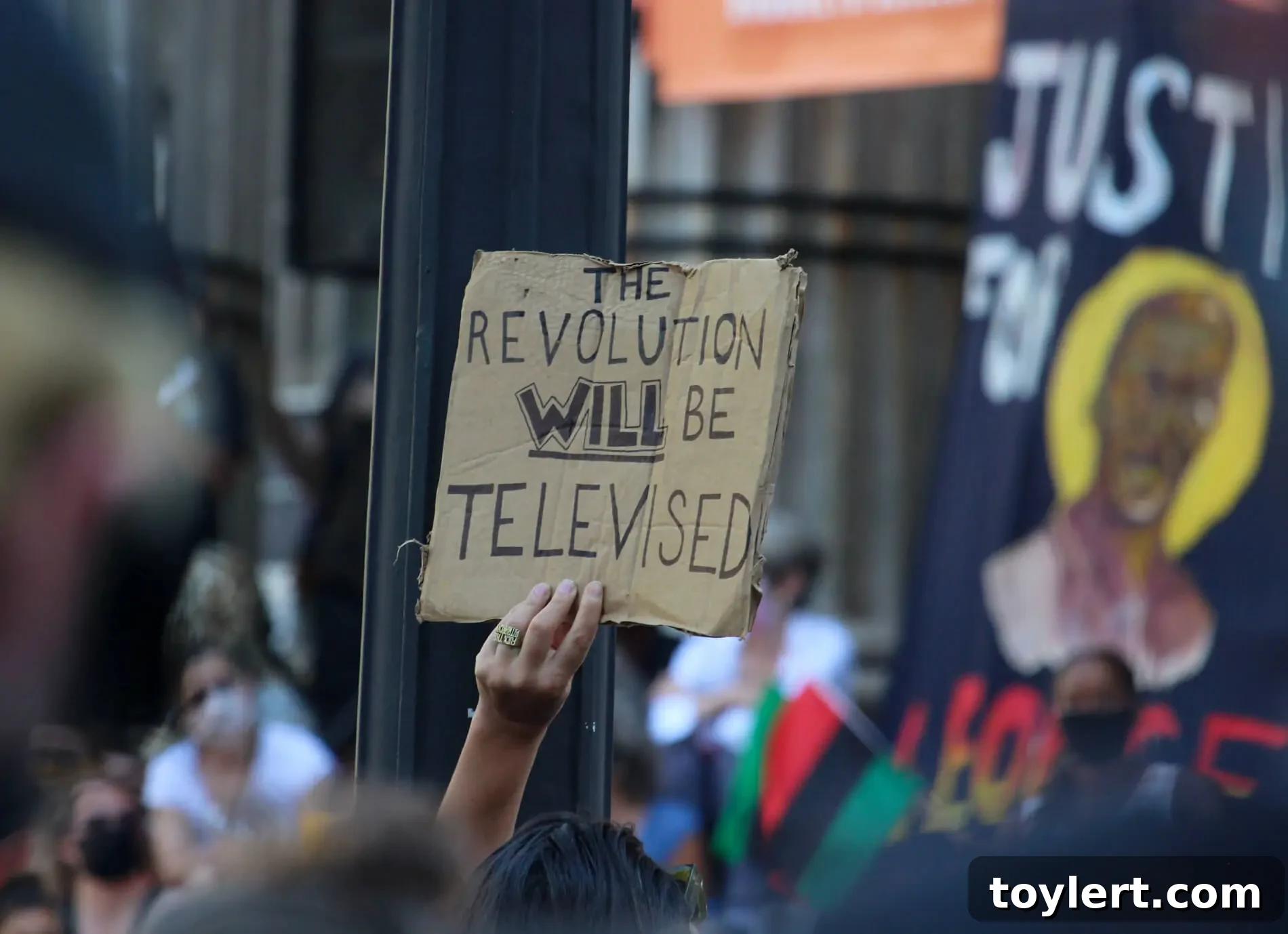
The “Juneteenth: Then and Now” town hall courageously tackles the intricate concept of freedom within Black communities, particularly through the lens of pressing modern issues. The conversation extends beyond historical commemoration to confront the realities of today, focusing on three critical areas that profoundly impact the lived experiences of African Americans: the devastating effects of COVID-19, the insidious nature of benign neglect, and the pervasive challenge of state-sanctioned violence.
The Disproportionate Impact of COVID-19
The COVID-19 pandemic laid bare and exacerbated deep-seated inequalities, disproportionately affecting Black communities. Panelists explore how systemic factors—including limited access to quality healthcare, essential worker status, housing instability, and pre-existing health disparities—led to higher infection rates, severe illness, and economic hardship within these communities. The discussion highlights how the pandemic did not merely reveal existing cracks in society but actively widened them, underscoring the precariousness of “freedom” when basic health and economic security are undermined by structural inequities.
Unpacking Benign Neglect: A Systemic Erosion of Opportunity
The concept of “benign neglect” is a crucial theme, referring to the passive indifference or intentional withdrawal of resources and attention from Black communities by governmental and societal institutions. This form of systemic oppression manifests in underfunded schools, inadequate infrastructure, limited economic investment, and environmental injustices. Panelists delve into how this subtle yet devastating form of neglect perpetuates cycles of poverty, limits upward mobility, and effectively stifles the pursuit of genuine freedom and self-determination for millions of African Americans. It is a quiet form of oppression that, over time, can be as damaging as overt discrimination.
Confronting State-Sanctioned Violence: The Ongoing Fight for Justice
Perhaps one of the most urgent topics, state-sanctioned violence, addresses the systemic brutality and injustice faced by Black communities at the hands of law enforcement and other state institutions. This encompasses not only physical violence but also disproportionate arrests, mass incarceration, biased legal processes, and the failure to hold accountable those who perpetrate harm. The town hall explores how the legacy of slavery and Jim Crow laws continues to manifest in modern policing and justice systems, creating a constant state of fear and undermining fundamental civil liberties. The panelists offer perspectives on pathways to police reform, accountability, and the broader dismantling of structures that enable such violence, all in the pursuit of true freedom and safety.
Distinguished Voices: Guiding the Conversation on Freedom and Justice
The power of the “Juneteenth: Then and Now” town hall lies in its diverse and impactful panel of experts, each bringing unique insights and a profound commitment to justice. Moderated by BRIC TV Managing Editor Brian Vines, known for his incisive journalism and ability to facilitate nuanced discussions, the panel is poised to deliver a thought-provoking and action-oriented conversation.
City Council Majority Leader Laurie Cumbo
As the City Council Majority Leader, Laurie Cumbo represents a significant voice in local governance and policy-making. Her presence underscores the critical link between grassroots activism and legislative change. Leader Cumbo offers an invaluable perspective on how municipal policies can either perpetuate or dismantle systemic inequalities. Her experience in advocating for Brooklyn’s diverse communities allows her to speak directly to the challenges of resource allocation, community development, and the political will required to effect meaningful change, particularly concerning issues like housing, economic opportunity, and public safety within Black neighborhoods.
Organizer and Journalist Rosa Clemente
Rosa Clemente is a renowned organizer, journalist, and Hip-Hop activist whose work consistently centers on issues of racial justice, voter engagement, and the empowerment of marginalized communities. Her fierce commitment to social change provides a critical, unfiltered perspective on the realities of organizing on the ground and the historical and contemporary struggles for liberation. Clemente’s background as a journalist also equips her with the ability to articulate complex issues clearly and compellingly, making her a powerful voice in shaping the narrative around freedom, particularly for those whose voices are often overlooked in mainstream discourse.
Executive Director of the Police Reform Organizing Project (PROP) Robert Gangi
Robert Gangi, as the Executive Director of the Police Reform Organizing Project (PROP), brings decades of experience at the forefront of the fight against police brutality and for systemic reform within law enforcement. His expertise is crucial for dissecting the mechanisms of state-sanctioned violence and proposing tangible solutions for accountability and justice. Gangi’s deep understanding of policy, legal frameworks, and community advocacy provides the town hall with a concrete focus on how policing practices impact Black communities and what steps are necessary to ensure safety and equity for all citizens. His insights are essential for anyone seeking to understand the path towards genuine police reform and its role in achieving broader freedom.
The Enduring Significance of Juneteenth in a Modern Context
The “Juneteenth: Then and Now” town hall masterfully bridges historical commemoration with contemporary urgency. It reminds us that while the chains of chattel slavery were officially broken 159 years ago, the pursuit of true freedom, equity, and justice for Black communities remains an active and ongoing struggle. The historical narrative of Juneteenth is not merely a bygone event; it is a living legacy that informs and energizes the continuous fight against new forms of oppression, whether they manifest as health disparities, economic disenfranchisement, or systemic violence.
This event, and others like it, underscore the profound importance of community conversations. By bringing together diverse voices from policy, activism, and journalism, BRIC TV facilitates a robust exchange of ideas necessary to understand the root causes of injustice and to strategize effective solutions. Such town halls serve as catalysts for awareness, education, and collective action, empowering individuals and communities to advocate for change and to hold institutions accountable.
Ultimately, Juneteenth is a celebration of freedom earned and a declaration of freedom still sought. It is a day to honor the past, acknowledge the present struggles, and inspire a future where the promise of liberty and justice for all is fully realized, especially for Black communities who have contributed so much to the fabric of American society while enduring immense adversity. The BRIC TV #BHeard Town Hall series, through events like “Juneteenth: Then and Now,” continues to play an indispensable role in fostering these essential dialogues and paving the way for a more just and equitable future.