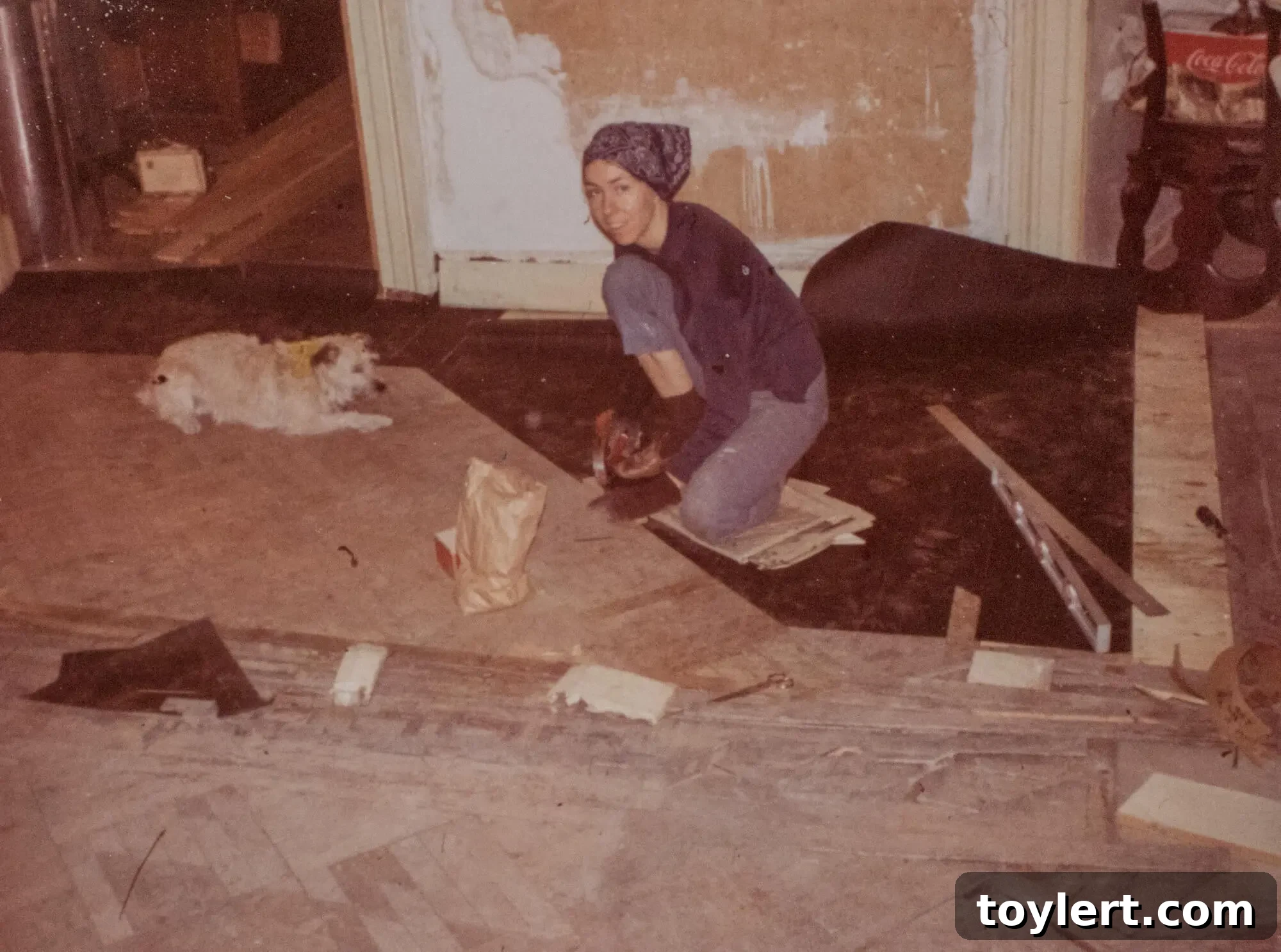
The Enduring Charm of Brooklyn: Thor and Jane Rinden’s Carroll Gardens Brownstone Revival
In the vibrant tapestry of Brooklyn’s history, certain stories stand out as testaments to vision, perseverance, and a deep appreciation for architectural heritage. One such tale belongs to Thor and Jane Rinden, a remarkable couple whose journey began in 1968. At a time when Brooklyn was undergoing significant shifts, these two schoolteachers, fueled by an adventurous spirit and a readiness to embrace hands-on work, managed to secure their own piece of the borough’s illustrious past. Their acquisition of an 1870 brownstone at 12 2nd Place in Carroll Gardens for a modest $28,000 marked the beginning of an intensive five-year restoration project, a labor of love that would transform a historic dwelling into a cherished home.
Their story is not just about a house; it’s a window into an era where discerning individuals began to see beyond the perceived decay of urban centers, recognizing the inherent beauty and potential within Brooklyn’s historic neighborhoods. Thor and Jane’s commitment to their brownstone resonated with a burgeoning movement, often referred to as “brownstone fever,” that saw a rejection of suburban homogeneity in favor of reclaiming the unique character and rich history embedded in the borough’s 19th-century architecture.
A Visionary Pair: Teachers, Artists, and Urban Pioneers
Thor and Jane Rinden were more than just homeowners; they were integral members of their community with diverse professional lives. Jane, an articulate and insightful English teacher, dedicated her talents to the esteemed Packer Collegiate Institute. Thor, on the other hand, channeled his creativity as an art teacher at Halsey Junior High. This blend of literary appreciation and artistic sensibility undoubtedly informed their approach to the restoration of their historic home, imbuing their project with both intellectual depth and aesthetic consideration.
Thor’s artistic aspirations eventually led him to a significant career transition; he would later leave teaching to dedicate himself entirely to painting. This shift underscores a broader theme of passion and dedication that characterized their lives, extending from their professional pursuits to their personal commitment to revitalizing their home. Their joint venture into homeownership in Carroll Gardens was a reflection of their adventurous spirits, a willingness to invest not just money, but also considerable time, effort, and personal energy into a project that many others might have found daunting. Their story serves as an inspiring example of how individual determination can contribute significantly to the preservation and cultural enrichment of a community.
Brooklyn’s Brownstone Renaissance: An Era of Reawakening
The late 1960s represented a pivotal moment in Brooklyn’s trajectory. While suburban expansion had drawn many families away from city centers in preceding decades, a new wave of urban pioneers, including the Rindens, began to challenge this exodus. They were drawn by the undeniable charm and affordability of Brooklyn’s brownstone housing stock, which offered a stark contrast to the cookie-cutter homes of the suburbs. These stately 19th-century structures, with their distinctive brownstone facades and intricate architectural details, presented an irresistible canvas for those with an eye for history and a desire for authentic urban living.
This period was characterized by intense debates surrounding urban renewal and slum clearance plans across the city. Amidst these discussions, a counter-narrative emerged: a growing appreciation for historic preservation. People were not just buying houses; they were investing in the unique identity of Brooklyn’s neighborhoods. They sought to reclaim and restore the architectural grandeur that had defined the borough for over a century, rejecting the notion that older urban areas were destined for demolition or modernization that stripped them of their character. This “brownstone fever” was more than a real estate trend; it was a cultural movement, signaling a renewed faith in the vitality and enduring appeal of urban life, anchored by a reverence for the past.
Carroll Gardens: A Neighborhood Transformed
Carroll Gardens, with its distinctive front gardens—a rarity in many Brooklyn neighborhoods—held a particular allure for the early brownstoners. Developed primarily in the mid-19th century, the neighborhood was originally home to a thriving working-class population, including a significant influx of Italian immigrants in the early 20th century. By the 1960s, while still retaining its strong community roots, some of its grand brownstones had fallen into disrepair, presenting both challenges and unparalleled opportunities for revitalization.
The Rindens’ decision to settle at 12 2nd Place placed them at the heart of this evolving community. The neighborhood offered a charming blend of historic architecture, tree-lined streets, and a quiet, residential atmosphere, all within easy reach of Manhattan. It was a place where neighborly bonds were strong, and the potential for a vibrant urban existence was palpable. The arrival of individuals like Thor and Jane, with their commitment to restoring the neighborhood’s architectural gems, played a crucial role in Carroll Gardens’ transformation into one of Brooklyn’s most desirable and historically preserved areas.
The Five-Year Odyssey: Restoration, Dedication, and Discovery
Embarking on a five-year restoration journey for an 1870 brownstone was no small undertaking, especially for two schoolteachers. The $28,000 purchase price was a significant investment at the time, but the true cost was measured in the countless hours of labor, learning, and dedication that followed. The phrase “willingness to get their hands dirty” truly encapsulates the spirit of their endeavor. This wasn’t merely a decorative refresh; it was a profound reimagining and rebuilding of a century-old structure.
Their work likely encompassed a vast array of tasks, from the foundational to the cosmetic. Imagine the initial surveys: assessing the integrity of the original structure, identifying necessary repairs to the roof, foundation, and facade. This would have been followed by extensive interior work: stripping away decades of alterations, updating antiquated plumbing and electrical systems to modern standards, and perhaps even reconfiguring interior layouts to better suit contemporary living while respecting the home’s historic footprint. They would have grappled with plaster repair, floor refinishing, and the painstaking restoration of original details such as moldings, mantels, and window frames.
Every step of the way, Thor and Jane would have faced unexpected challenges inherent in old homes – hidden structural issues, outdated materials, and the constant need to balance preservation with functionality. Yet, these challenges also presented opportunities for discovery: uncovering original features, understanding historical craftsmanship, and imbuing the home with their personal touch while honoring its past. Their hands-on approach meant they were not just homeowners but custodians of history, actively engaging with every plank, brick, and pane of glass, ensuring their brownstone would stand proudly for another century.
Beyond Renovation: Community and Cultural Impact
The Rindens’ renovation of 12 2nd Place was more than a personal project; it was a microcosm of a larger cultural shift that was redefining urban living in America. As they meticulously restored their brownstone, they were part of a growing cohort of “brownstoners” who actively contributed to the revitalization of neighborhoods like Carroll Gardens. These pioneers demonstrated that historic homes, far from being relics of a bygone era, could be vibrant and desirable places to live, offering character and community that modern developments often lacked.
Their efforts, alongside those of their neighbors, helped to foster a sense of collective pride and investment in the architectural heritage of Brooklyn. This grassroots movement effectively countered the prevailing narrative of urban decay, replacing it with one of renewal and appreciation. The “getting their hands dirty” ethos wasn’t just about saving money; it was about building a personal connection to the home and the neighborhood, deepening their roots and contributing to the unique identity that Carroll Gardens enjoys today. Their story resonates with anyone who has undertaken the challenging yet deeply rewarding task of breathing new life into an old home, making it a testament to the enduring human desire to connect with history and create a meaningful living space.
The Enduring Legacy of Brownstoning
The brownstone movement of the 1960s, spearheaded by couples like Thor and Jane Rinden, laid the groundwork for the Brooklyn we know today. Their commitment to preserving and restoring 19th-century homes not only saved countless architectural treasures from neglect or demolition but also established a model for urban revitalization that prioritized historical integrity and community spirit. The Rindens’ $28,000 investment in 1968, which seems astonishingly low by today’s standards, reflects a time when these grand homes were undervalued, waiting for visionaries to unlock their potential.
Today, brownstones in Carroll Gardens and across Brooklyn command significant prices, a testament to the foresight and hard work of those early renovators. The enduring appeal of these homes lies in their unique blend of historical charm, robust construction, and prime urban locations. The Rindens’ story at 12 2nd Place serves as a powerful reminder of how individual passion and dedication can spark broader movements, shaping the physical and cultural landscape of an entire borough. Their brownstone, once a project of personal aspiration, now stands as a symbol of Brooklyn’s remarkable resilience and its celebrated architectural legacy, continuing to inspire new generations of homeowners and preservationists.