Rethinking Urban Futures: Gowanus Rezoning Under Scrutiny Amid Post-Pandemic Realities
As New York City cautiously navigates its recovery from the profound disruptions of the coronavirus pandemic, a critical urban development plan in Gowanus, Brooklyn, faces renewed and intensified opposition. A coalition of local residents and community advocates is vociferously demanding an immediate halt to the city’s ambitious rezoning proposal for the neighborhood, arguing that the existing blueprint is fundamentally out of sync with the drastically altered socio-economic landscape of urban life. Their central contention is that city planners have failed to adequately adapt their long-standing visions to address the unprecedented challenges and emergent needs brought forth by the global health crisis.
The “Voice of Gowanus,” a prominent community group leading the charge, articulated their concerns in a recent powerful letter. “In the wake of COVID-19, with both the city and state budgets in crisis, the economy in free fall, and as many as 20 percent of Americans having lost their jobs — including a disproportionate number of people of color — this plan is woefully out of step with what the city needs right now, or what it can afford,” the group stated. This sentiment encapsulates a widespread apprehension that proceeding with pre-pandemic development strategies would not only be fiscally irresponsible but could also exacerbate existing inequalities and undermine the city’s fragile recovery.
Understanding the Gowanus Rezoning Initiative
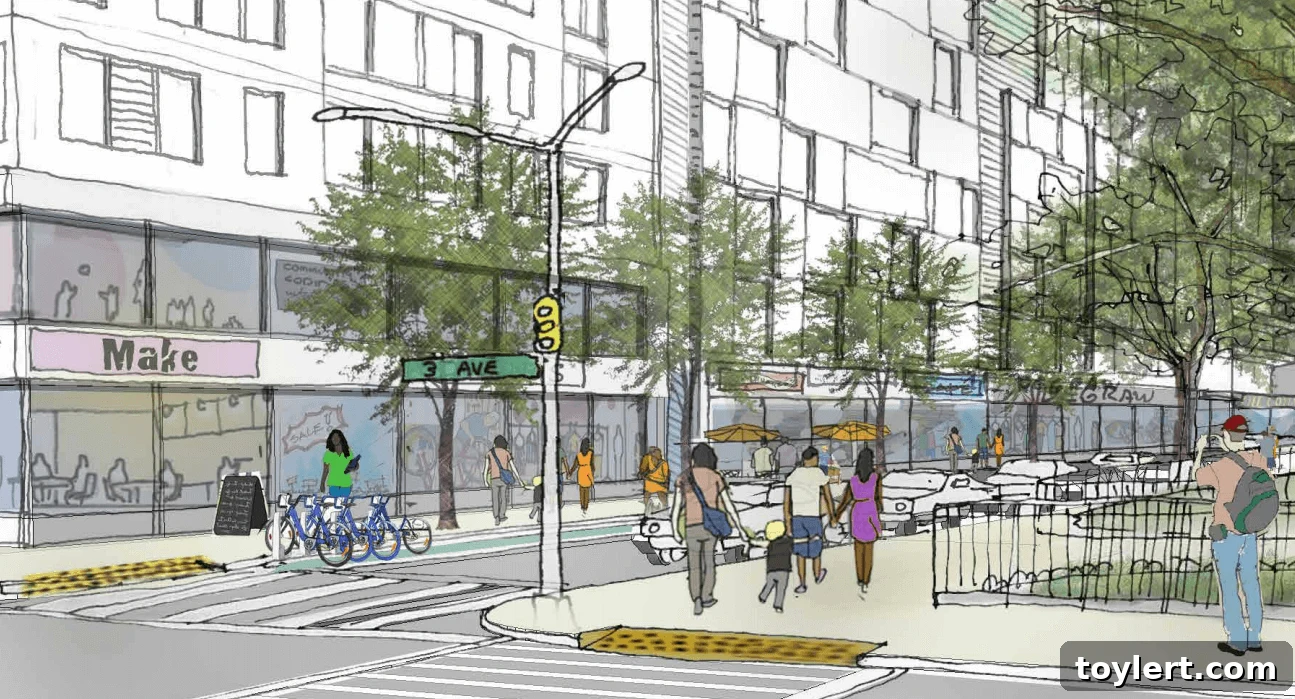
The proposed Gowanus rezoning is a monumental undertaking, envisioning a significant transformation of this historic industrial area into a vibrant, mixed-use residential and commercial district. For years, the city has championed the plan as a vital step towards addressing New York’s chronic housing shortage, spurring economic growth, and upgrading essential infrastructure. The core elements of the proposal typically include allowing for substantially increased building heights and density, paving the way for thousands of new residential units, a portion of which would be designated as affordable housing. Alongside new housing, the plan anticipates the creation of new commercial spaces, improved public access to the Gowanus Canal waterfront, and significant investments in parks and community facilities.
Before the pandemic, the rezoning was already a subject of intense debate. Proponents highlighted the potential for revitalization, job creation, and the integration of new residents into a dynamic Brooklyn neighborhood. They pointed to the pressing need for more housing stock across the city and the strategic location of Gowanus, with its access to multiple subway lines and proximity to other established communities. Environmental remediation efforts for the notoriously polluted Gowanus Canal, a federal Superfund site, were also intrinsically linked to the rezoning, with development often seen as a catalyst for funding and accelerating these crucial cleanup operations.
The Post-Pandemic Lens: New Realities, Old Plans
The arrival of COVID-19, however, reshaped every aspect of urban existence, casting a stark new light on the rezoning debate. The “new realities of city dwelling life” referenced by the Voice of Gowanus encompass a multitude of profound shifts. There’s a heightened demand for open, green spaces as residents seek respite and recreation outdoors, often closer to home. Remote work trends have dramatically altered the dynamics of office spaces and daily commutes, potentially impacting the viability of new commercial developments and straining residential infrastructure in ways not previously anticipated. Public health considerations now loom larger in urban design, emphasizing ventilation, less crowded public transport, and accessible local amenities that support community well-being.
Furthermore, the pandemic exposed and exacerbated deep-seated socio-economic disparities. Low-income communities and communities of color bore the disproportionate brunt of job losses, illness, and economic instability. Critics of the rezoning argue that pushing forward with a plan designed for a different economic era risks fueling gentrification and displacement, particularly in a neighborhood like Gowanus, which is adjacent to historically diverse and working-class communities. The concern is that new market-rate developments, even with legally mandated affordable housing components, could trigger significant rent increases in surrounding areas, effectively pricing out and pushing out long-time residents and small businesses that form the cultural and economic fabric of the area.
The Economic Imperative: Budget Crises and Affordability
One of the most compelling arguments against the immediate progression of the Gowanus rezoning centers on the severe fiscal challenges confronting New York City and New York State. The pandemic triggered an unprecedented economic downturn, leading to massive shortfalls in tax revenues. Both city and state budgets have been plunged into crisis, necessitating difficult choices and cutbacks across various public services, from education to sanitation. In this context, community groups question the feasibility and wisdom of undertaking a massive development project that relies heavily on municipal resources for critical infrastructure upgrades – resources that are now severely constrained and urgently needed for recovery efforts.
The economic freefall also translates directly into a crisis of affordability and employment for countless New Yorkers. With millions of Americans, and a significant proportion of New Yorkers, having lost their jobs or experienced reduced income, the demand for truly affordable housing has never been more acute. The Voice of Gowanus highlights that a disproportionate number of these job losses have impacted people of color, underscoring the racial injustice embedded in the economic fallout. Critics contend that constructing thousands of new, predominantly market-rate apartments at a time of high unemployment and profound economic uncertainty for many is fundamentally misaligned with the city’s immediate needs. They argue that the focus should instead be on preserving existing affordable housing, supporting struggling residents through rent relief and job programs, and investing in initiatives that provide direct economic relief and recovery for those most impacted, rather than solely relying on new development to solve the housing crisis.
Rethinking Infrastructure and Environmental Justice
Beyond housing and economics, the rezoning raises significant questions regarding infrastructure and environmental justice, especially in a flood-prone area like Gowanus, which sits adjacent to a federal Superfund site. Residents express profound concerns that increasing density without robust, fully funded infrastructure improvements – including upgraded sewer systems, resilient public spaces designed to mitigate flooding, and enhanced transportation networks – could overwhelm existing resources. The specter of climate change and increased frequency of extreme weather events adds another layer of urgency to these concerns, demanding that any new development be not just sustainable but also highly resilient and adaptive to future environmental challenges.
Environmental activists and community members have long championed a more holistic approach to the Gowanus Canal cleanup, integrating community-led planning with the complex process of environmental remediation. The fear is that rapid, large-scale development driven by pre-pandemic assumptions might compromise the thoroughness or equity of the environmental cleanup efforts, potentially placing new residents and existing communities at greater risk from pollutants or floodwaters. A pause in the rezoning process would allow for a comprehensive re-evaluation of these critical environmental and infrastructural considerations in light of new climate data, updated community priorities, and a commitment to genuine environmental justice for all who live and work in Gowanus.
The Call for a New Paradigm in Urban Planning
The opposition to the Gowanus rezoning is not merely a rejection of development; it is a profound call for a new paradigm in urban planning. It challenges the traditional top-down approach, advocating for a process that is genuinely responsive to community input, transparent in its decision-making, adaptable to unforeseen crises, and explicitly committed to equity and resilience. The pandemic has served as a harsh instructor, revealing the vulnerabilities of our urban systems and the urgent need for planning that prioritizes public health, social justice, and economic stability over purely growth-oriented metrics or outdated projections.
The Voice of Gowanus, along with its allies, insists that city bureaucrats must fundamentally reassess their plans. This reassessment should involve updated economic projections that reflect the current downturn, comprehensive environmental impact studies that account for current climate realities and future risks, and a transparent, truly collaborative dialogue with residents about what genuinely constitutes “affordable” and “equitable” development in a post-COVID world. They argue that any plan moving forward must not only address the physical needs of a potentially growing population but also foster a sense of belonging, support local economies and cultural institutions, and enhance the overall health, safety, and well-being of all New Yorkers, ensuring that development benefits existing communities, not just new arrivals.
Conclusion: A Crossroads for Gowanus and NYC
The unfolding debate over the Gowanus rezoning represents a critical crossroads, not just for this Brooklyn neighborhood but for New York City as a whole. It highlights the inherent tension between ambitious development goals and the urgent need for a compassionate, pragmatic, and resilient recovery. As the city grapples with the lingering effects of the pandemic and charts a path forward, the demands of groups like Voice of Gowanus serve as a vital reminder that urban development must evolve. It must prioritize the health, economic security, and environmental well-being of its diverse population, ensuring that growth genuinely serves the needs of all its residents, especially in times of unprecedented challenge and uncertainty. The moment calls for reflection, adaptation, and a renewed commitment to inclusive urban planning.
For a deeper dive into the community’s perspective and the evolving story, you can find more detailed reporting by our sister publication, Brooklyn Paper, by clicking here.