Park Slope: Navigating Change in a Beloved Brooklyn Enclave
Park Slope, a quintessential Brooklyn neighborhood renowned for its picturesque brownstones, leafy streets, and vibrant community, is currently experiencing a familiar ebb and flow in its commercial landscape. The narrative of urban development is often told through the stories of local businesses – those that open with great anticipation, and those that, after years of dedicated service, eventually close their doors. This dynamic cycle reflects the ever-evolving character of one of New York City’s most cherished districts.
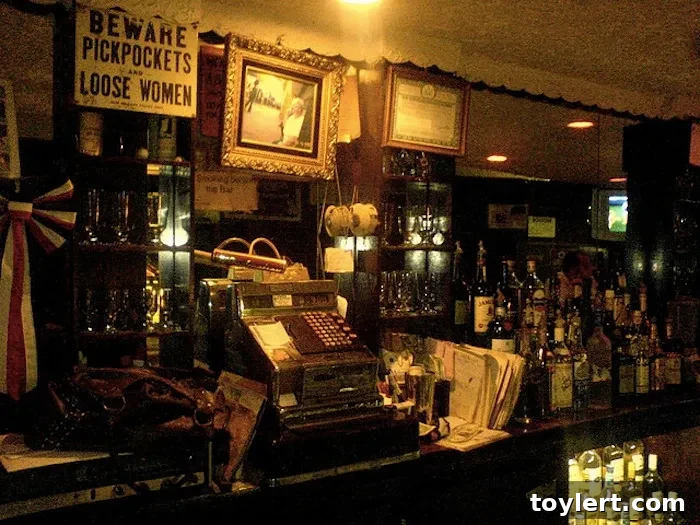
One such story of transition centers around a long-standing Park Slope institution: Jackie’s 5th Amendment. This beloved dive bar, a true neighborhood favorite, is slated to close its doors next month, with a tentative closing date of September 15th. For decades, Jackie’s has served as more than just a watering hole; it has been a local landmark, a casual gathering spot where generations of Park Slope residents have forged friendships, celebrated milestones, and simply unwound after a long day. Its unpretentious atmosphere, affordable drinks, and the comforting familiarity of its interior have made it an integral part of the community’s social fabric. The decision by the owner to move on marks the end of an era for many patrons who have considered Jackie’s a second home. The space, which holds countless memories for its regulars, will not remain vacant for long. In a move that highlights the ongoing commercial real estate shifts, the adjacent pharmacy is set to expand into Jackie’s former location. This expansion signifies both growth for the pharmacy and a poignant loss for those who valued the unique, irreplaceable charm of a classic neighborhood dive. The image, provided by fakebook, captures a glimpse of the street life that defines such a vibrant community.
While one chapter closes, another begins. The buzz in Park Slope also centers on the arrival of a significant new culinary establishment: Grand Central Oyster Bar. This esteemed name, known for its iconic presence in Manhattan’s Grand Central Terminal, is making its official foray into Brooklyn. Signage has already been erected at the former Fornino space on the bustling 5th Avenue, signaling their imminent arrival. The plans indicate an opening in the late fall of this year, a prospect that has already generated considerable excitement among local food enthusiasts and residents alike. The Grand Central Oyster Bar is synonymous with fresh seafood, a classic American dining experience, and a touch of metropolitan sophistication. Its decision to establish a presence in Park Slope speaks volumes about the neighborhood’s growing appeal as a culinary destination, attracting high-profile establishments that seek to tap into its discerning palate and vibrant dining scene. This new addition promises to diversify the gastronomic offerings on 5th Avenue, further solidifying its reputation as a premier destination for dining and entertainment in Brooklyn.
However, not all business news in Park Slope is about grand openings or sentimental goodbyes. The competitive nature of the food industry and the various challenges faced by small businesses are also evident in recent events. South Brooklyn Pizza, located at the prominent corner of 1st Street and 7th Avenue, found its doors unexpectedly shuttered by the City Marshall. Such closures often stem from a range of complex issues, including outstanding debts, lease disputes, or other legal and financial difficulties. The abrupt closing of a local eatery, particularly one that has established a presence in the community, serves as a stark reminder of the precarious journey many small businesses undertake. It highlights the constant pressure and the demanding environment in which these establishments operate, even in a thriving neighborhood like Park Slope. The immediate impact is felt by employees, suppliers, and the local community who relied on it for quick meals and casual dining options. The sudden vacancy leaves a gap, creating opportunities for new ventures while also underscoring the inherent risks of entrepreneurship.
Ditmas Park: Embracing New Flavors and Essential Services
A few miles south, the charming, tree-lined streets of Ditmas Park, celebrated for its unique Victorian architecture and tight-knit community feel, are also seeing their share of commercial evolution. This distinct Brooklyn neighborhood continues to attract a diverse array of businesses, reflecting its growing population and evolving needs.
One exciting development for the Ditmas Park culinary scene is the arrival of Chabba Family Grill & Cuisine. This new establishment is set to occupy the former Bukhara space, located at 786 Coney Island Avenue. Bukhara, an Indian restaurant, had itself closed not long ago, also by the City Marshall, indicating the challenges that can sometimes face businesses along this busy thoroughfare. The quick succession of a new restaurant moving into the space suggests the resilience and demand within the local dining market. Chabba Family Grill & Cuisine is anticipated to open its doors any day now, promising a fresh array of flavors and dining experiences for Ditmas Park residents. The introduction of a new grill and cuisine concept brings diversity to the neighborhood’s food offerings, which are constantly expanding to cater to a cosmopolitan palate. Coney Island Avenue, a major artery connecting various parts of Brooklyn, serves as a vital commercial strip for Ditmas Park, and new businesses like Chabba Family Grill are essential in maintaining its vibrancy and providing convenient options for the local populace.
Beyond dining, Ditmas Park is also bolstering its family-friendly infrastructure with the impending arrival of a crucial service: Tribeca Pediatrics. This reputable pediatric practice has signed a lease at 722 Coney Island Avenue, strategically located between Avenue C and Cortelyou Road. This development is particularly significant for families in the area, offering a new, accessible option for pediatric healthcare services. Ditmas Park Corner, a local community resource, anticipates that this new clinic will open its doors early next year. The expansion of established healthcare providers like Tribeca Pediatrics into residential neighborhoods like Ditmas Park underscores the increasing demand for specialized services tailored to a growing population of young families. This addition will undoubtedly be welcomed by parents seeking high-quality medical care close to home, reinforcing Ditmas Park’s reputation as a desirable place for families to settle and thrive. The presence of such essential services contributes significantly to the overall quality of life in the neighborhood, making it more self-sufficient and attractive to prospective residents.
Brooklyn’s Dynamic Commercial Tapestry: A Broader Perspective
The stories unfolding in Park Slope and Ditmas Park are microcosms of a larger narrative playing out across Brooklyn, and indeed, throughout New York City. The commercial landscape of these vibrant boroughs is in a perpetual state of flux, characterized by a continuous cycle of openings, closings, expansions, and transformations. This dynamism is fueled by a multitude of factors, including shifts in consumer preferences, evolving economic conditions, the relentless pace of real estate development, and the entrepreneurial spirit that defines the city.
New businesses bring innovation, new jobs, and fresh energy to neighborhoods. They cater to changing demographics, introduce novel concepts, and contribute to the rich tapestry of local culture. Whether it’s a high-profile restaurant chain or a humble family-run eatery, each new venture adds another thread to the fabric of the community. These openings are often met with enthusiasm and optimism, representing growth and progress.
Conversely, closures, while often tinged with sadness, are an inevitable part of this cycle. They can be due to rising rents, increased competition, changing ownership, personal decisions by proprietors, or broader economic headwinds. When a long-standing business like Jackie’s 5th Amendment closes, it’s not just a commercial transaction; it’s a loss for the community, a piece of shared history that recedes. These closures force neighborhoods to adapt, to mourn the familiar, and to make way for the new. The intervention of the City Marshall in cases like South Brooklyn Pizza or Bukhara highlights the regulatory and financial pressures that can unexpectedly curtail a business’s journey, serving as a poignant reminder of the challenges inherent in urban entrepreneurship.
The movement of essential services, such as Tribeca Pediatrics expanding into Ditmas Park, signifies another crucial trend: the growth of service-oriented businesses that cater directly to the needs of residents. As neighborhoods mature and attract more families, the demand for healthcare, education, and childcare services naturally increases, leading to a diversification of the commercial offerings beyond just retail and dining.
Ultimately, Brooklyn’s commercial environment is a testament to its enduring vitality and adaptability. Each business opening and closing contributes to the ongoing evolution of its neighborhoods, shaping their identity and ensuring that these dynamic communities remain exciting, ever-changing places to live, work, and explore. Understanding these localized shifts provides valuable insight into the broader economic and social currents that define one of the world’s most captivating urban landscapes.