Unlocking Potential: Essential Insights for Renovating Old Homes, Navigating NYC’s Housing Debate, and Shaping Urban Futures
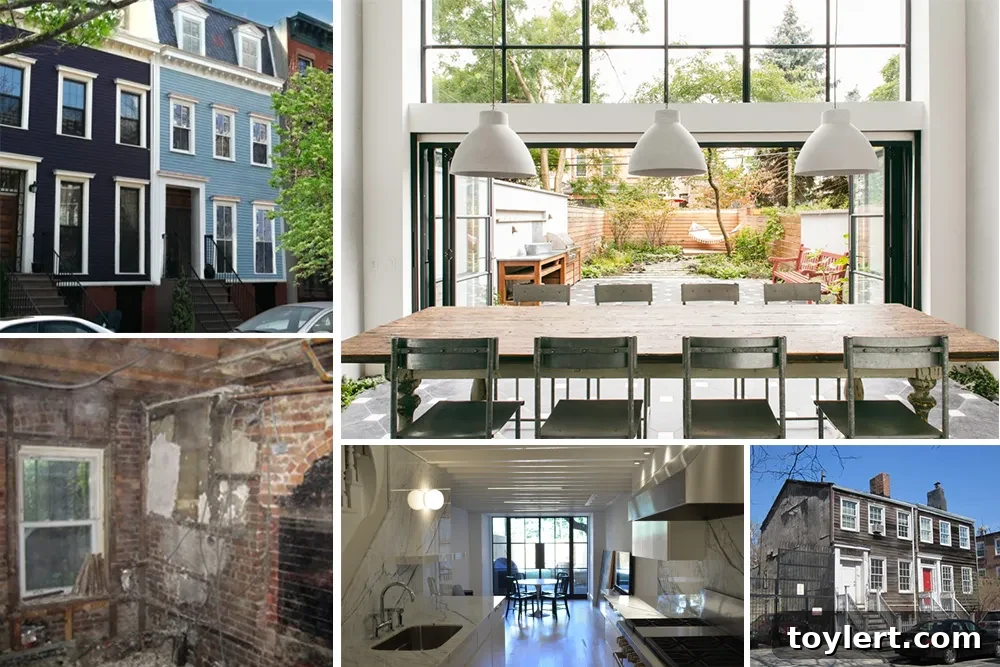
Mastering the Art of Old House Renovation: Top Considerations for a Seamless Transformation
Embarking on the renovation of an old house is a journey filled with potential, charm, and unique challenges. Unlike modern constructions, historic homes often hold layers of stories, hidden quirks, and construction methods that require a specialized approach. Whether you’re dreaming of restoring a classic brownstone, a Victorian gem, or a charming colonial, understanding the intricacies before demolition begins is crucial for a successful and satisfying outcome. Many homeowners, looking back, often identify critical steps they wish they had handled differently. Here, we delve into the top considerations to equip you with the knowledge needed to navigate your old house renovation project with confidence and foresight.
1. Comprehensive Due Diligence and Inspection
Before making any commitments, conduct an exhaustive inspection. This goes beyond a standard home inspection. Consider hiring specialists for structural integrity, foundation issues, electrical systems (often outdated and dangerous), plumbing (lead pipes are common in older homes), roofing, and potential hazardous materials like asbestos or lead paint. Uncovering these issues early can save tens of thousands of dollars and countless headaches down the line. Understanding the true condition of the bones of your home is your first, most critical step.
2. Understand Local Preservation Regulations and Permits
Old homes, especially those in historic districts, often come with strict preservation guidelines. Familiarize yourself with local zoning laws, landmark commission rules, and necessary permits. Renovations, particularly exterior changes, can be heavily regulated to maintain architectural integrity. Non-compliance can lead to hefty fines and project delays. Engaging with local authorities early will clarify what’s permissible and what’s not, ensuring your plans align with preservation efforts.
3. Budget Beyond the Obvious: Expect the Unexpected
Budgeting for an old house renovation is an art form. It’s not just about the visible upgrades; it’s often about addressing hidden structural weaknesses, unexpected discoveries behind walls, and necessary infrastructure overhauls. Always allocate a significant contingency fund, ideally 20-30% of your total budget, for unforeseen circumstances. This financial buffer is essential for managing surprises, which are almost guaranteed when dealing with properties decades or even centuries old.
4. Respecting Historical Character vs. Modern Comforts
Striking a balance between preserving the historical essence of your home and integrating modern conveniences is key. Decide early what historical features you want to retain and restore (e.g., original moldings, fireplaces, floorboards) and where you can introduce modern updates without compromise. Authentic restoration often costs more than simple replacement, but it significantly enhances the home’s value and unique character. Thoughtful design can seamlessly blend old and new.
5. Prioritize Structural and Infrastructure Upgrades
Before investing in cosmetic enhancements, ensure the fundamental systems of your home are sound. This includes reinforcing foundations, updating electrical wiring to meet current codes, replacing deteriorating plumbing, and ensuring a robust roofing system. These less glamorous but critical upgrades are non-negotiable for safety, functionality, and the long-term health of your property. Addressing them first provides a stable platform for all subsequent aesthetic improvements.
6. Assemble the Right Professional Team
Not all contractors specialize in old house renovations. Seek out architects, contractors, and specialized tradespeople (e.g., plaster repairers, historical window restorers) with proven experience in older properties. Their expertise in traditional building materials, methods, and problem-solving unique to historic homes is invaluable. Ask for references and view their past projects to ensure their style and quality align with your vision.
7. Research and Salvage Period-Appropriate Materials
Whenever possible, consider salvaging original materials or sourcing period-appropriate replacements. Reclaimed wood, antique fixtures, and architectural salvage yards can provide authentic elements that retain the home’s character. This approach not only supports sustainability but also adds a layer of authenticity and charm that new materials often cannot replicate.
8. Plan for a Longer Timeline
Renovations of old houses rarely adhere to tight schedules. Unexpected issues, the availability of specialized materials or craftsmen, and the meticulous nature of restoration work can all extend timelines. Be prepared for delays and communicate regularly with your team. Patience is a virtue in old house renovation, and a realistic timeline helps manage expectations and reduce stress.
9. Consider Energy Efficiency Upgrades Thoughtfully
Older homes are often notoriously inefficient. While modernizing, explore energy-efficient solutions like insulation upgrades, weather stripping, and high-efficiency windows (or restoring existing ones with modern glazing). However, balance these with historical preservation; sometimes, original single-pane windows can be restored and made more efficient without resorting to full replacement. These upgrades improve comfort and reduce utility costs.
10. Document Everything
Maintain detailed records of your renovation journey. This includes contracts, permits, invoices, design plans, and photographic documentation of before, during, and after stages. This documentation is invaluable for future maintenance, potential resale, and even for insurance purposes. It serves as a comprehensive history of the care and effort invested in your unique home.
By keeping these top considerations in mind, you can transform the daunting task of renovating an old house into a rewarding experience, honoring its past while crafting a home perfectly suited for modern living.

Navigating New York City’s Housing Crisis: Community Boards Often Reject Mayor’s Affordable Housing Zoning Plans
New York City, a global metropolis, grapples with a persistent and intensifying affordable housing crisis. With skyrocketing rents and limited inventory, the promise of accessible housing remains a critical and complex challenge for millions of New Yorkers. Mayor Bill de Blasio, having campaigned on a platform of affordability, introduced ambitious zoning proposals aimed at creating and preserving thousands of affordable housing units across the five boroughs. However, the path to achieving these goals has been anything but smooth, often encountering significant resistance at the grassroots level from community boards. The reactions from Brooklynites, in particular, highlight the deeply divisive nature of these plans, revealing a mixed bag of approvals and outright rejections as community boards deliberate on the proposals designed to reshape their neighborhoods.
The Vision for Affordability and Its Challenges
Mayor de Blasio’s administration put forward two key proposals: Mandatory Inclusionary Housing (MIH) and Zoning for Quality and Affordability (ZQA). MIH would require developers to include a percentage of affordable units in new residential buildings in areas rezoned for increased density. ZQA aimed to remove certain parking requirements, allow for taller buildings in some areas, and encourage senior housing development. The overarching goal was to leverage the city’s zoning power to stimulate the construction of affordable housing, addressing a critical need for low- and middle-income residents.
However, the concept, while noble in its intent, frequently clashes with the realities and concerns of individual neighborhoods. Community boards, serving as advisory bodies with significant influence, often become the battleground for these larger urban planning debates. Their role is to represent the interests and concerns of their constituents, and when faced with city-wide zoning changes, these concerns often center on local impact.
Why Community Boards Push Back: A Multifaceted Opposition
The rejections or strong reservations voiced by many Brooklyn community boards stem from a complex web of issues:
- Gentrification Concerns: Many residents fear that upzoning, even with affordable housing mandates, will inevitably lead to increased market-rate development, driving up property values and rents, and ultimately displacing existing residents and small businesses. The “affordable” units are sometimes perceived as not affordable enough for the lowest-income residents, while still paving the way for luxury developments.
- Infrastructure Strain: A common argument against increased density is the perceived strain on existing infrastructure. Schools, public transit, parks, and sanitation services in many neighborhoods are already stretched thin. Residents worry that adding thousands more people without commensurate infrastructure improvements will degrade their quality of life.
- Loss of Neighborhood Character: Many community members are deeply attached to the architectural and cultural fabric of their neighborhoods. They fear that new, taller, and denser buildings will alter the aesthetic and communal character they value, erasing historical elements and local identity.
- Lack of Local Control and Trust: There is often a sentiment that city-wide plans are imposed without sufficient input from local communities, undermining their ability to shape their own futures. Distrust in developers and past promises also fuels opposition, as residents question whether the city’s grand plans will truly benefit them.
- Parking and Traffic: While ZQA aimed to reduce parking requirements to encourage transit use, many car-dependent areas, particularly outside Manhattan, expressed concerns about exacerbating parking shortages and traffic congestion.
The Implications of Community Board Rejections
While community board votes are advisory, they carry significant weight. Negative recommendations can influence Borough Presidents and, ultimately, the City Council, which has the final say. A wave of rejections indicates a disconnect between city hall’s vision and the localized needs and anxieties of its diverse communities. It forces the administration to re-evaluate, compromise, or push through against strong local sentiment, potentially fostering resentment.
The ongoing dialogue between city planners and community stakeholders underscores the immense challenge of balancing a city’s need for growth and affordability with the desire to preserve neighborhood character and ensure equitable development. For New York City, finding common ground on housing solutions remains an arduous yet essential pursuit for its future viability and social equity.
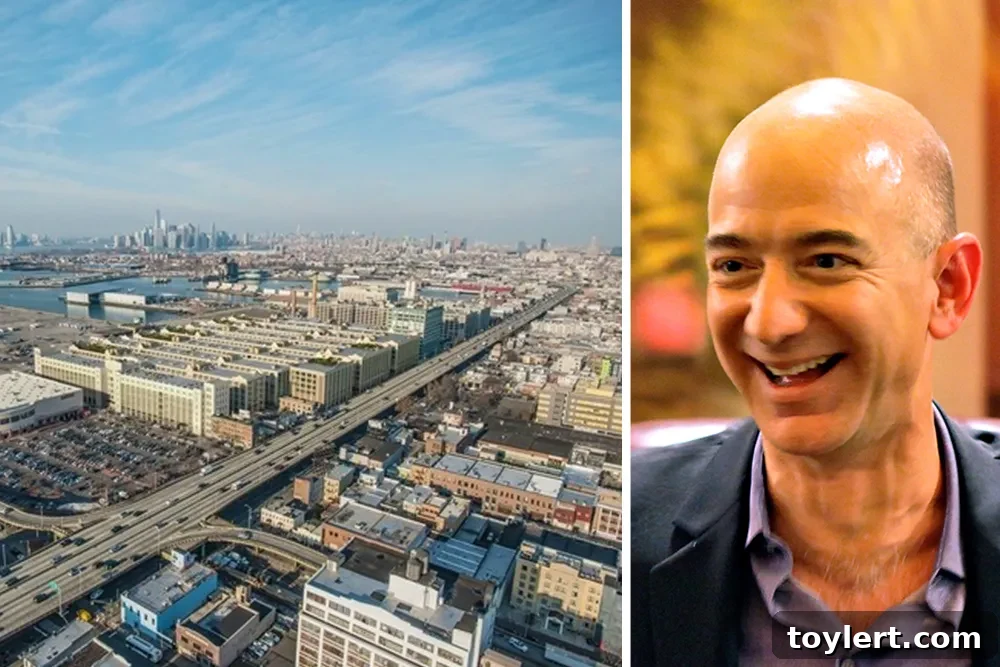
Shaping Brooklyn’s Economic Landscape: The Evolving Narrative of Industry City and Large-Scale Development
Industry City, a sprawling 16-building complex located on the Sunset Park waterfront in Brooklyn, represents a fascinating microcosm of urban development, economic ambition, and community debate in New York City. Once a manufacturing and shipping hub, it has been revitalized into a vibrant innovation campus housing a diverse mix of businesses, from artisanal manufacturers and tech startups to creative agencies and retail outlets. The involvement, or potential involvement, of major tech figures like Jeff Bezos, often associated with Amazon’s considerable presence and influence, has historically brought these types of large-scale projects into sharp focus, igniting discussions about the future of Brooklyn’s economy, job creation, and the delicate balance with existing community needs.
Industry City: A Hub of Modern Commerce and Culture
Industry City’s transformation over the past decade has been remarkable. It has emerged as a significant economic engine, attracting businesses and visitors with its unique blend of industrial heritage and modern amenities. The complex offers millions of square feet of workspace, dining options, public art installations, and event spaces. Its vision is to create an ecosystem where diverse businesses can thrive, generating jobs and contributing to Brooklyn’s dynamic economic landscape.
However, the very success and scale of Industry City have also made it a focal point for debates about urban development. Large-scale rezonings and expansions, particularly those that might involve major corporate tenants, inevitably raise questions about their impact on the surrounding neighborhoods, especially in areas like Sunset Park, which has a long history and a tight-knit, predominantly working-class immigrant community.
The Amazon Effect and the Broader Tech Influence
While a direct, large-scale Amazon headquarters at Industry City never materialized (following the broader HQ2 withdrawal from Long Island City), the discussions and proposals around such potential developments often serve as a proxy for a wider conversation. The prospect of a major tech giant like Amazon, led by figures such as Jeff Bezos, establishing a significant presence in a neighborhood like Sunset Park would bring with it promises of job creation, economic stimulus, and increased tax revenue. However, it also brings significant concerns:
- Gentrification and Displacement: A common fear is that an influx of high-paying tech jobs and related amenities will drive up housing costs and commercial rents, making the neighborhood unaffordable for long-time residents and small businesses, potentially leading to displacement.
- Community Character: Residents often worry that large corporate presences could alter the unique cultural and social fabric of their community, making it less diverse and more homogenous.
- Traffic and Infrastructure: An increased population of workers and visitors would place additional strain on local transportation networks, parking, and public services, which are often already at capacity.
- Corporate Power vs. Local Needs: Debates often arise about the power dynamics between massive corporations seeking advantageous development sites and local communities advocating for their existing needs and preserving their way of life.
Balancing Progress and Preservation
The ongoing narrative surrounding Industry City, whether concerning direct corporate investment or general expansion, highlights a critical tension in urban planning: how to foster economic growth and create opportunities without sacrificing the existing community’s well-being and character. Developers and city planners are increasingly challenged to demonstrate tangible community benefits, engage in genuine dialogue, and implement safeguards to prevent displacement and ensure equitable growth.
Projects like Industry City represent a significant investment in Brooklyn’s future, aiming to create a modern innovation hub. However, their true success will ultimately be measured not just by economic metrics, but by their ability to integrate harmoniously with their surrounding communities, providing sustainable opportunities and respecting the diverse tapestry that makes New York City unique. The lessons learned from the broader tech presence debates continue to inform how cities approach large-scale development, seeking a balance that serves both progress and preservation.