Brooklyn’s Dynamic Canvas: Navigating Innovation, Culture, and Urban Evolution
Brooklyn, a borough renowned for its vibrant character and relentless evolution, stands as a microcosm of urban dynamism. From innovative housing solutions to thriving cultural scenes and complex civic discussions, Brooklyn continually redefines what it means to live in a modern metropolitan hub. This article delves into various facets of Brooklyn’s ongoing transformation, exploring how its unique blend of history, community, and forward-thinking initiatives shapes its identity and addresses the challenges of contemporary urban life.
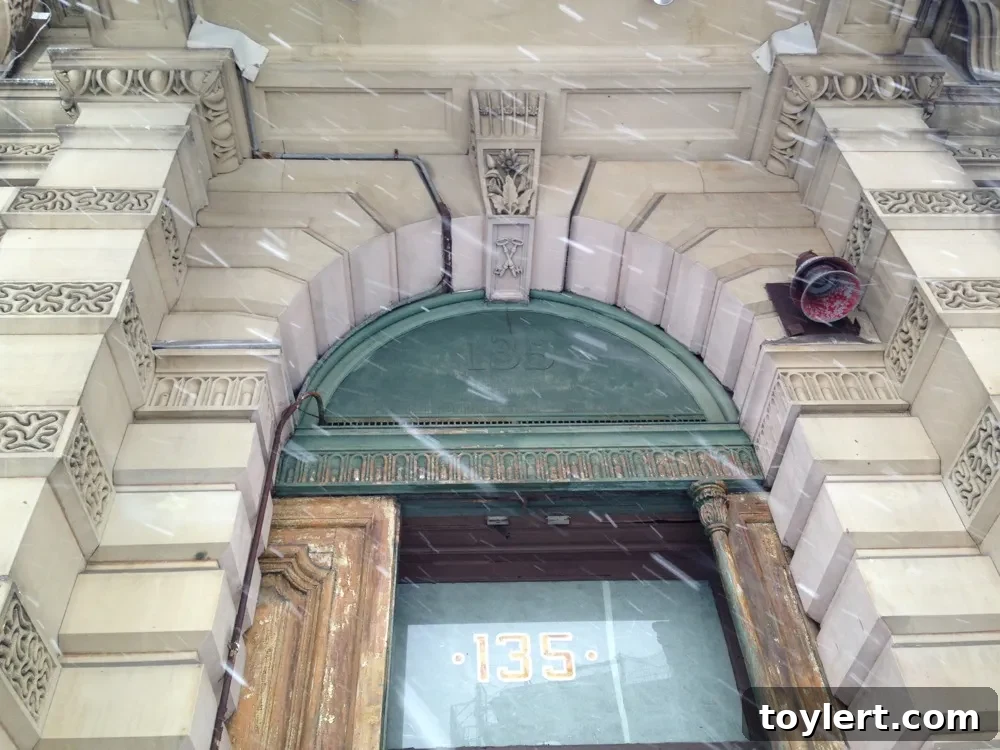
The image above, depicting a scene from 135 Broadway, serves as a visual gateway to understanding the borough’s architectural landscape and its ever-changing streetscapes. This particular address, like many others across Brooklyn, represents a point of intersection for diverse narratives—be it groundbreaking real estate projects, a flourishing arts community, or the daily lives of its resilient residents.
The Evolving Urban Landscape: Brooklyn’s Real Estate Frontier
Micro-Living and Innovative Housing Solutions
As urban populations grow and space becomes an increasingly precious commodity, Brooklyn has emerged as a fertile ground for innovative housing solutions. The concept of micro-apartments and tiny homes, often prefabricated, exemplifies this trend. These compact living spaces are designed to maximize efficiency and affordability in a high-cost real estate market. Prefabricated construction offers the advantages of speed and cost-effectiveness, potentially making homeownership or renting more accessible to a broader demographic. However, their widespread adoption also sparks debates about living standards, community integration, and the psychological impact of reduced personal space. Brooklyn’s willingness to experiment with these models positions it as a leader in addressing the pressing need for creative urban housing.
Brooklyn as a Real Estate “Lab”
Beyond micro-units, Brooklyn often serves as a “lab” for real estate innovation, contrasting with Manhattan’s more established and conservative market. Developers and architects frequently use Brooklyn as a testing ground for new design concepts, sustainable building practices, and community-centric developments. This experimental ethos allows for a dynamic and often eclectic architectural landscape, from adaptive reuse projects to cutting-edge contemporary structures. This forward-thinking approach not only attracts diverse residents but also fosters a culture of innovation that influences urban planning beyond the borough’s borders.
Resilience and Sustainable Urban Living
In an era increasingly defined by climate change, the resilience of urban infrastructure is paramount. Research suggests that Brooklyn row houses may fare best in extreme weather events. These traditional structures, often built with durable materials and designed to withstand the elements, demonstrate an inherent robustness that modern high-rises may lack. This insight underscores the value of preserving historical architecture not just for aesthetic reasons, but for practical sustainability and climate resilience. It also sparks conversations about retrofitting existing buildings and designing new ones with long-term environmental challenges in mind, making Brooklyn a thoughtful participant in the global climate discussion.
Affordable Housing Imperatives
The challenge of affordable housing remains a critical issue for New York City, and Brooklyn is no exception. The city’s proactive approach, such as offering tax breaks to landlords to keep units rent regulated, highlights the ongoing struggle to maintain housing affordability. These incentives aim to protect thousands of residents from displacement and preserve the borough’s socioeconomic diversity. While such measures are crucial, they are part of a larger, complex policy debate involving rent control, development, and the overall housing supply. Brooklyn’s efforts in this area are central to its identity as a place that strives to remain accessible to all, not just the affluent.
The Vibrant Heartbeat: Culture, Community, and Commerce
A Tapestry of Traditions: Celebrating Diversity
Brooklyn’s cultural landscape is as rich and varied as its population. Neighborhoods like Williamsburg host unique establishments such as Fuego 718, a shop where every day is the Day of the Dead. Such businesses are more than just retail spaces; they are cultural anchors, celebrating heritage and providing a sense of community for residents. Similarly, the borough’s vibrant multiculturalism is brilliantly showcased during events like the Lunar New Year celebrations in Sunset Park and beyond. These festive gatherings, rich in tradition and communal spirit, demonstrate Brooklyn’s capacity to embrace and celebrate its diverse ethnic fabric, fostering inclusivity and mutual understanding.
Brooklyn’s Creative Spirit
The borough has long been a magnet for artists and creatives, drawn by its unique atmosphere and community support. The decision of a choreographer to set up HQ at Restoration Plaza in Bed-Stuy illustrates Brooklyn’s role as a nurturing ground for artistic endeavors. Restoration Plaza, a vital hub in Bedford-Stuyvesant, exemplifies how community spaces can foster creative industries and contribute to local revitalization. This commitment to the arts not only enriches the lives of residents but also positions Brooklyn as a significant cultural center on the global stage, continually attracting talent and innovation across various artistic disciplines.
Local Economy and Hospitality
Brooklyn’s economy thrives on a blend of large-scale enterprises and vibrant local businesses. The hospitality sector, in particular, plays a crucial role. A first-person account of working at Williamsburg’s Hotel Toshi offers a glimpse into the daily operations and unique character of the borough’s hotels. These establishments are not merely places for tourists to stay; they are employers, community partners, and integral components of the local economic ecosystem. The experiences within them reflect the borough’s distinct personality, contributing to its allure as a destination for both visitors and residents seeking authentic urban experiences.
Shaping the Future: Infrastructure and Civic Engagement
Navigating Urban Growth: Transportation Challenges
As Brooklyn continues to grow, its infrastructure faces increasing demands, particularly in transportation. The discussion among Brooklynites at a Town Hall meeting regarding the Move NY traffic proposal highlights the complex challenges of urban planning. Proposals to charge tolls on East River bridges, while potentially easing congestion and funding infrastructure, often spark heated debate among commuters and local communities. These discussions underscore the importance of civic engagement in shaping policies that directly affect daily life, balancing economic development with quality of life and environmental sustainability.
Large-Scale Development and Economic Reality
Large-scale urban development projects, while promising economic benefits, often face scrutiny regarding their actual impact. The report that Barclays Center profit was significantly behind expectations offers a sobering perspective on the financial realities of such ventures. While the arena has undoubtedly brought sports and entertainment to the heart of Brooklyn, its economic performance serves as a reminder that grand projections don’t always materialize. This situation prompts important questions about urban planning, public-private partnerships, and ensuring that major developments genuinely benefit the communities they are intended to serve, rather than falling short of their economic promises.
Conclusion: Brooklyn’s Enduring Appeal and Future
Brooklyn is a borough of remarkable contrasts and compelling stories. From its innovative approaches to housing and its unwavering commitment to preserving cultural diversity, to its active civic dialogue on infrastructure and the arts, Brooklyn embodies the spirit of a modern, evolving city. Its ability to serve as a “lab” for urban solutions, its resilience in the face of environmental challenges, and its dedication to fostering creativity and community make it an exceptional place. As Brooklyn continues to navigate the complexities of urban growth and change, it remains a beacon of innovation, culture, and community, constantly reimagining its future while holding steadfast to its vibrant identity.
Original Source Highlights
For those interested in exploring these topics further, here are the original source articles that inspired this detailed look into Brooklyn’s multifaceted existence:
Micro-Apartments, Tiny Homes Prefabricated in Brooklyn [NY Times]
Midtown Condo, Brooklyn “Lab” [NY Times]
Brooklyn Row Houses Will Fare Best in Extreme Weather [NY Times]
Fuego 718 in Williamsburg, a Shop Where Every Day Is the Day of the Dead[NY Times]
Choreographer Sets up HQ at Restoration Plaza in Bed Stuy [WSJ]
Brooklynites Discuss Move NY Traffic Proposal at Town Hall Meeting Thursday [Eagle]
A First Person Account of Working at Williamsburg’s Hotel Toshi [Complex]
Barclays Center Profit Some 63 Percent Behind Expectations [AYR]
Photos From Lunar New Year Celebrations in Sunset Park and Beyond [DNA]
City Offers Tax Break to Brooklyn Landlord to Keep 700 Units Rent Regulated[DNA]