The Remarkable Rebirth of Park Slope’s Formerly Pink House: A Luxury Flip and Its Impact
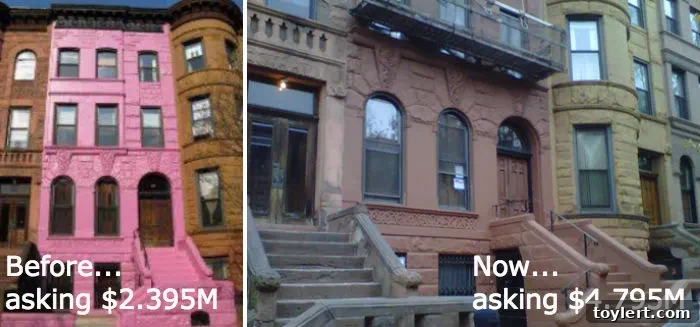
The iconic Park Slope residence, once famously known for its distinctive pink facade, has made a dramatic re-entry into Brooklyn’s competitive real estate market. Having sold just last October for a substantial $2,075,000, the property has undergone an intensive, high-end transformation and is now listed with an ambitious asking price of $4,795,000. This staggering appreciation in value over a mere few months highlights a growing trend of developer-led luxury flips in prime Brooklyn neighborhoods, prompting a closer look at the scale of these renovations and their broader implications for the community.
Developers are clearly confident in the enduring demand for impeccably renovated properties in coveted locations like Park Slope. The initial purchase price itself was significant, underscoring the strong belief in the area’s investment potential. What transpired within the walls of this historic brownstone, and indeed, on its very exterior, speaks volumes about the current state of luxury real estate development in New York City’s most dynamic borough.
From Pastel Charm to Urban Elegance: The Exterior Transformation
One of the most noticeable and significant changes to the property is its exterior. The house, which had long stood out with its vibrant pink hue, has been meticulously repainted to a sophisticated brown. This wasn’t merely a cosmetic decision; such changes in a historic district like Park Slope require careful consideration and, crucially, approval from the Landmarks Preservation Commission. Securing Landmark’s approval indicates that the developers navigated the stringent regulations designed to preserve the architectural integrity and historical character of the neighborhood. The shift from a whimsical pink to a more classic brown aligns with the traditional aesthetic of many other historic brownstones in the area, likely broadening its appeal to a wider range of high-end buyers seeking a more conventional, yet elegant, facade.
The successful acquisition of Landmark’s approval for such a noticeable change is a testament to the meticulous planning and execution involved in this flip. It underscores a desire to blend modern luxury with a respectful nod to the area’s heritage, all while creating a product that commands top dollar in a discerning market. This subtle yet impactful exterior alteration signals the comprehensive nature of the renovation that awaited within, hinting at the significant investment and strategic vision behind the property’s dramatic transformation.
Inside the Transformation: Modern Luxuries and Thoughtful Restorations
The interior renovation of this Park Slope gem is nothing short of comprehensive, addressing both aesthetic appeal and fundamental functionality. Developers poured resources into updating every aspect of the home to meet the expectations of today’s luxury buyer, balancing modern conveniences with a preservation or reinterpretation of classic architectural elements.
Advanced Mechanical Systems for Contemporary Living
A critical component of the overhaul involved completely redoing the mechanical systems. This often-overlooked aspect of renovation is paramount for comfort, safety, and efficiency in historic buildings. The addition of central air conditioning, for instance, is a major draw in New York City, transforming an older home into a comfortable haven during warmer months and a significant selling point in the luxury market. Beyond climate control, such upgrades typically encompass new plumbing, state-of-the-art electrical wiring, and efficient heating systems, ensuring the entire infrastructure is robust, reliable, and up to modern standards. These foundational improvements provide peace of mind and significantly enhance the long-term value and livability of the property, making it move-in ready for discerning buyers who demand seamless functionality.
Exquisite Kitchens and Baths: The Heart of Modern Luxury
As expected in a high-end flip, the kitchens and bathrooms have been completely redesigned and outfitted with luxurious finishes. The mention of marble tile extending up to the ceiling in one bathroom suggests a commitment to opulent design and premium materials, creating spa-like retreats within the home. These spaces are often the focal points for potential buyers, showcasing the blend of contemporary design, high-quality fixtures, and ergonomic functionality. State-of-the-art appliances, custom cabinetry, and sophisticated lighting schemes are standard in such renovations, all contributing to an elevated living experience. The beautiful staging, as observed, likely further accentuates these exquisite details, allowing prospective buyers to envision themselves in a lavish and comfortable lifestyle.
Restoration and Reinterpretation of Woodwork
The house’s original woodwork has been meticulously cleaned and restored, a detail that speaks to a respect for the home’s historic character and craftsmanship. However, an intriguing observation notes a potential change in the wood finish, from a presumed mahogany to what now appears to be oak. This raises a fascinating point about restoration versus reinterpretation in high-end renovations. While mahogany often signifies a richer, darker aesthetic reminiscent of traditional elegance, oak can offer a brighter, more contemporary feel, appealing to modern tastes for lighter, airier interiors. If this change was achieved without painting, it would involve a complex process of stripping, bleaching, and refinishing, suggesting a deliberate and significant design choice rather than a simple cosmetic update. This nuanced decision reflects a developer’s strategic effort to appeal to current design trends and buyer preferences, carefully balancing historical authenticity with updated aesthetic sensibilities to maximize market appeal.
Optimizing Layouts: Functionality for Today’s Urban Lifestyle
The renovation also appears to have involved significant modifications to the internal layout, particularly on the ground floor. The suggestion that a first-floor dining room built-in was removed to accommodate a new kitchen speaks to a prioritization of open-plan living and modern culinary spaces. Many historic homes featured formal dining rooms with elaborate built-ins, but contemporary lifestyles often favor larger, integrated kitchen-dining areas that serve as the hub of daily life and entertaining. The absence of clear photos for the ground-floor rental unit, combined with the floor plan insights, indicates a strategic approach to maximizing the property’s utility and potential income streams, a common and highly valued practice in multi-unit Brooklyn brownstones.
Similarly, the uncertainty surrounding the original presence of upstairs bathrooms and pass-throughs, and their current absence, suggests further reconfigurations to streamline the upper floors. Developers often reconfigure spaces to create more en-suite bathrooms, larger closets, or more functional circulation paths, optimizing every square foot for comfort and perceived value. These layout changes are carefully planned to enhance flow, natural light, and overall spatial efficiency, catering to the sophisticated demands of a luxury market that prioritizes modern convenience and thoughtful design.
The Economics of the Flip: A Lucrative, Yet Risky, Venture
The financial figures associated with this property flip are staggering and warrant a deeper analysis within the context of Brooklyn’s heated real estate market. A purchase price of $2,075,000 in October quickly escalated to an asking price of $4,795,000 after renovation. This represents a potential gross profit margin of over $2.7 million before accounting for renovation costs, closing costs, holding expenses, and developer fees. Even with a significant investment in high-end renovations, which could easily run into several hundred thousands or even over a million dollars given the scope, the potential return on investment (ROI) is substantial, illustrating the immense financial incentives driving such projects.
Such high-end flips are indicative of a robust and often frothy luxury real estate market in prime Brooklyn neighborhoods like Park Slope. Developers are willing to invest heavily because the demand from affluent buyers, often migrating from Manhattan or seeking more spacious and upgraded living environments, remains exceptionally strong. Factors such as low inventory, highly desirable school districts, charming tree-lined streetscapes, and convenient access to diverse amenities and transportation contribute significantly to the escalating property values in areas like Garfield Place. This particular flip showcases the audacious yet calculated nature of some real estate investments, where a combination of strategic location, meticulous high-quality renovation, and astute market timing can yield incredible financial rewards for developers.
High-End Flips: A Boon or Bane for Brooklyn?
The question of whether such high-end flips are “good for Brooklyn” is complex and elicits varied opinions across the community. On one hand, proponents argue that these renovations breathe new life into aging housing stock, introducing modern amenities, improving structural integrity, and enhancing curb appeal, all of which contribute to the overall attractiveness and value of the neighborhood. They also generate significant economic activity, creating jobs for contractors, architects, interior designers, and a multitude of skilled tradespeople. The infusion of luxury properties can attract new affluent residents, increase property tax revenues for the city, and enhance the reputation of an area, potentially drawing in more services and businesses that cater to a higher-end demographic.
However, the rapid escalation of property values through such flips also fuels widespread concerns about gentrification and affordability. When homes are purchased at over $2 million and re-listed at nearly $5 million, they become entirely inaccessible to a vast majority of Brooklyn residents, including many who have long called these neighborhoods home. This can lead to significant displacement, a reduction in socio-economic diversity, and a fundamental transformation of the neighborhood’s character. Critics argue that while individual properties are improved, the cumulative effect can price out long-term residents, small businesses, and a diverse range of income levels, fundamentally altering the social and cultural fabric of the community. The “pink house” once represented a quirky, unique element in Park Slope; its transformation into a polished, high-priced luxury brownstone might be seen by some as a loss of distinctive character in favor of market conformity and exclusivity.
The debate further extends to the delicate balance between preserving historical uniqueness and catering to contemporary market demands. While the Landmarks Preservation Commission plays a crucial role in ensuring architectural integrity from an exterior standpoint, the internal transformations and exterior aesthetic shifts, like the change from pink to brown, often reflect a move towards a more universally accepted luxury aesthetic. Some might argue this diminishes the distinctive charm and idiosyncratic personality that made Park Slope unique in the first place, favoring a standardized luxury product over individual historical expression.
Conclusion: A New Chapter for a Park Slope Landmark
The transformation of Park Slope’s formerly pink house into a stately, high-end brownstone is a powerful testament to the dynamic forces at play in Brooklyn’s luxury real estate market. From its refreshed brown exterior, meticulously approved by Landmarks, to its completely revamped interiors featuring central air, stunning marble baths, and sophisticated kitchens, this property has been meticulously crafted to appeal to the discerning affluent buyer. The beautiful staging further enhances its allure, presenting a vision of modern luxury seamlessly integrated within a historic shell, ready for its next chapter.
While the incredible price appreciation undeniably showcases a successful and highly profitable real estate venture for the developers, it also sparks a wider, more profound conversation about the role and impact of such high-end flips in shaping Brooklyn’s future. Are these developments a necessary step in modernizing and revitalizing aging urban spaces, enhancing their appeal and value? Or do they contribute significantly to an escalating affordability crisis and an erosion of the unique local character that defines these beloved neighborhoods? This particular home, now commanding a price tag nearing $5 million, stands as a gleaming example of both the immense potential and the complex social and economic questions inherent in Brooklyn’s rapidly evolving urban landscape.
For those interested in exploring this remarkable property further, the listing provides additional details:
233 Garfield Place, Park Slope [Halstead Property]