
Editor’s Note: This insightful article, originally published in 2014, has been thoughtfully updated and expanded to offer a comprehensive look at the pioneering efforts of the ASPCA. For those interested in the prior rendition, it can be accessed here.
The Enduring Legacy of the ASPCA: A Century and a Half of Animal Welfare
In an era marked by burgeoning industrialization and often callous disregard for living creatures, a beacon of compassion emerged in Manhattan in 1866. This was the birth of the American Society for the Prevention of Cruelty to Animals (ASPCA), an organization destined to become the oldest and most influential animal protection society in the Western Hemisphere. Its establishment was the singular vision of Henry Bergh, a man whose profound belief in the inherent rights of animals would revolutionize societal attitudes towards them.
Bergh, an aristocratic New Yorker and former diplomat, had witnessed firsthand the widespread abuse of animals during his travels abroad and upon his return to a bustling, often brutal, New York City. He was deeply convinced that animals were not merely property or tools, but sentient beings entitled to respectful and kind treatment at the hands of people. This conviction became the bedrock of the ASPCA’s mission: to actively protect animals under the law from those who would inflict harm or neglect. His pioneering efforts laid the foundation for modern animal welfare advocacy, setting a precedent that would inspire movements across the globe.
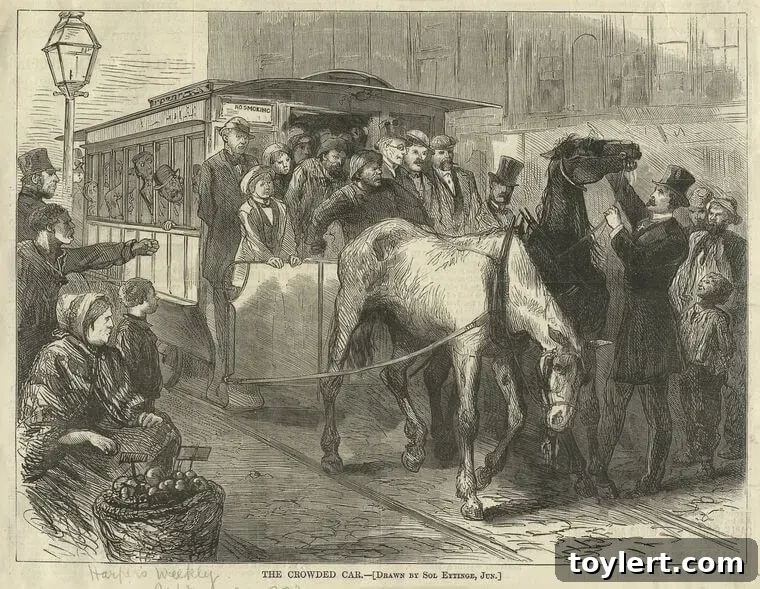
Henry Bergh: A Visionary Against Cruelty
Henry Bergh’s journey into animal advocacy was not one of gradual involvement but a sudden, passionate crusade. Having resigned from his diplomatic post, he dedicated his considerable wealth and influence to a cause that many of his contemporaries considered eccentric or even absurd. He was acutely aware of the suffering endured by working animals, particularly horses, which were indispensable to urban life but often subjected to unimaginable hardship. Beyond the plight of beasts of burden, Bergh also targeted the barbarism of slaughterhouses, pushing for more humane practices, and vehemently opposed cruel blood sports such as cockfighting and dogfighting, which were commonplace entertainment.
His approach was multifaceted. Bergh was not content merely to preach; he actively intervened. He would personally stop drivers from overloading their carts or beating their horses, often confronting individuals directly, as famously depicted in the image of him halting an overcrowded streetcar. These dramatic public interventions, though sometimes met with resistance and ridicule, served to galvanize public opinion and draw attention to the issues. More importantly, Bergh understood the necessity of legal frameworks to enforce humane treatment.
The Immediate Impact: Laws and Public Awareness
The speed with which Henry Bergh achieved legislative success was nothing short of remarkable. Only nine days after officially announcing the formation of the ASPCA, his tireless efforts bore fruit: the City of New York passed the nation’s first comprehensive anti-cruelty laws. This monumental achievement established a legal precedent, recognizing animals as deserving of protection and setting a new standard for societal responsibility.
These initial laws were not just symbolic; they provided the ASPCA with the authority to investigate cruelty, rescue abused animals, and bring perpetrators to justice. This blend of public advocacy, direct intervention, and robust legal enforcement quickly cemented the ASPCA’s role as a formidable force for change. Bergh’s cause, initially seen as the eccentric pursuit of a single individual, swiftly gained momentum, attracting support from a growing number of compassionate citizens who shared his vision for a more humane society.
Expanding the Mission: Beyond Manhattan
As the ASPCA’s reputation grew, so did its scope. The initial focus on New York City soon expanded to encompass broader regions, including the rapidly developing borough of Brooklyn. The need for animal welfare services was not confined to Manhattan; horses toiled on Brooklyn’s streets, and the borough, like others, faced issues of animal neglect and abuse. Recognizing this widespread need, the ASPCA began establishing branches and facilities in other areas, extending its reach and impact.
These expansions were crucial. For instance, the demand for local animal shelters, veterinary care, and rescue services became evident as cities grew. Facilities like the one implicitly referenced at 233-237 Butler Street in Gowanus, Brooklyn, would have played a vital role in providing a safe haven for distressed animals, offering medical aid, and facilitating adoptions. Such establishments were practical manifestations of Bergh’s vision, demonstrating a commitment to hands-on intervention and care that complemented the legislative and advocacy work.
The establishment of physical structures, whether shelters, hospitals, or administrative offices, was a testament to the ASPCA’s growth and its ability to institutionalize animal protection. These buildings served as vital hubs where injured or abandoned animals could receive immediate attention, where cruelty cases could be investigated, and where the community could learn about responsible pet ownership. They symbolized a shift from merely preventing cruelty to actively fostering well-being, marking a significant evolution in the animal welfare movement.
The Evolution of Animal Welfare: A Lasting Impact
Henry Bergh’s legacy extends far beyond the immediate success of the ASPCA’s founding. His unwavering dedication set in motion a movement that transformed public perception of animals. Before Bergh, the concept of animal rights or even basic humane treatment was largely absent from public discourse and legal frameworks. He forced society to confront its responsibilities towards creatures that could not speak for themselves.
The ASPCA became a template for countless other animal protection organizations, both nationally and internationally. Its pioneering efforts in legislative reform, public education, and direct intervention paved the way for the robust animal welfare laws and ethical standards that exist today. From promoting humane education in schools to advocating for stronger federal protections for farm animals, the principles established by Bergh continue to guide the work of animal advocates worldwide.
Today, the ASPCA remains at the forefront of animal protection, evolving with the times to address contemporary challenges. Its work encompasses a wide range of activities: rescuing animals from cruelty and natural disasters, providing forensic veterinary services, advocating for legislative change at state and federal levels, promoting spay/neuter programs, and facilitating adoptions. The organization’s reach is vast, impacting millions of animals through direct care, policy reform, and public awareness campaigns.
The image of Henry Bergh stopping a streetcar in 1872 is more than just a historical snapshot; it is an enduring symbol of courage, compassion, and the power of one individual to ignite profound societal change. It reminds us that true progress often begins with challenging established norms and speaking up for the voiceless.
Conclusion: A Vision That Endures
From its humble beginnings in Manhattan in 1866, the American Society for the Prevention of Cruelty to Animals has grown into a powerful force for good, a direct embodiment of Henry Bergh’s extraordinary vision. His insistence that animals deserved respect and legal protection was revolutionary for its time, laying the groundwork for every animal welfare initiative that followed. The ASPCA’s journey, marked by legislative triumphs, expanding services into communities like Brooklyn, and an unwavering commitment to its mission, stands as a testament to the enduring power of compassion and advocacy.
The principles Bergh championed—that animals are sentient beings deserving of kindness and legal protection—remain as relevant today as they were over 150 years ago. The ASPCA continues to uphold these ideals, ensuring that the legacy of its founder perseveres, creating a more humane world for all creatures.