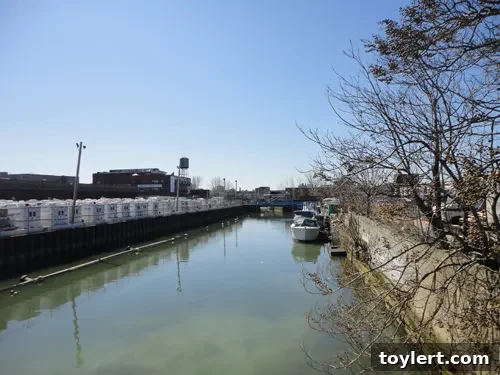
Gowanus Canal Cleanup: EPA Unveils Comprehensive Plan for Brooklyn’s Superfund Site
The Environmental Protection Agency (EPA) has officially released its draft proposal outlining an extensive plan to remediate the highly polluted Gowanus Canal, a designated Superfund site in Brooklyn. This ambitious undertaking, as reported by both The Daily News and the Post, is projected to span at least a decade and carry an estimated cost ranging between $351 million and $456 million. The core of the cleanup strategy involves a multi-pronged approach: significant dredging of contaminated sediments from the canal bed, followed by the installation of a robust capping system designed to prevent future contamination from reaching the water. However, the plan also introduces a contentious requirement for New York City to address the persistent issue of sewage and storm-water runoff flowing into the canal, a measure the city currently opposes due to its potential financial implications.
A Century of Contamination: Understanding the Gowanus Canal’s Plight
The Gowanus Canal, a 1.8-mile waterway in Brooklyn, has a long and complex history intertwined with industrialization. Once a thriving commercial artery lined with factories, gas plants, and chemical manufacturers during the 19th and 20th centuries, it became a dumping ground for industrial waste, raw sewage, and toxic byproducts. This relentless pollution transformed the canal into one of the nation’s most notoriously contaminated waterways, often referred to as a “lavender lake” due to its unnatural color from various pollutants.
Over decades, a thick layer of “black mayonnaise”—a toxic sludge composed of coal tar, PCBs, heavy metals, pesticides, and other hazardous chemicals—accumulated on the canal bed. This severe contamination posed significant environmental and public health risks to the surrounding communities, impacting aquatic life, air quality, and the potential for human exposure. Recognizing the gravity of the situation, the EPA officially designated the Gowanus Canal a federal Superfund site in 2010. This designation marked a crucial turning point, paving the way for a comprehensive, federally mandated cleanup effort aimed at restoring the canal to a healthier state.
The EPA’s Detailed Remediation Strategy: A Multi-Phased Approach
The newly unveiled EPA proposal outlines a meticulously planned, multi-stage remediation process designed to systematically remove and contain the extensive pollution within the Gowanus Canal. This strategy represents years of research, assessment, and community engagement to determine the most effective and sustainable cleanup methods.
Aggressive Dredging to Remove Toxic Sediments
A cornerstone of the cleanup involves the aggressive dredging of the canal’s contaminated bottom. The plan specifies removing approximately five to ten feet of polluted muck from various sections of the canal. This deep dredging will target the most heavily concentrated areas of the “black mayonnaise,” ensuring that a substantial portion of the historical contamination is physically extracted. Specialized equipment will be used to carefully scoop up the contaminated sediment, which will then be dewatered and transported off-site for proper disposal in licensed facilities. This process is critical for eliminating the direct source of many hazardous substances that leach into the water column and pose threats to the ecosystem.
Innovative Three-Layer Protective Capping System
Following the dredging, the EPA proposes installing an innovative three-layer protective capping system over the remaining native sediment. This cap is a crucial engineering control designed to isolate any residual contaminants and prevent them from migrating into the overlying water. The layers typically consist of:
- Bottom Layer: A permeable fabric or thin layer of sand to stabilize the underlying sediments.
- Middle Layer: A thicker layer of clean sand or gravel, acting as a physical barrier to further isolate contaminants.
- Top Layer: A layer of habitat-friendly material, such as crushed shell or specific types of stone, designed to allow for the re-establishment of aquatic life and benthic organisms, fostering ecological recovery.
This multi-layered approach ensures a robust seal, making sure that new contamination cannot penetrate the protective barrier, thereby safeguarding the canal water quality in the long term. The cap is designed to be durable and resistant to erosion, creating a stable foundation for the canal’s future ecological health.
Projected Timeline and Significant Financial Investment
The sheer scale and complexity of the Gowanus Canal cleanup mean it will not be a rapid undertaking. The EPA estimates a minimum timeline of 10 years for the full remediation, a period that includes design, permitting, active dredging, capping, and ongoing monitoring. The financial commitment is equally substantial, with costs projected to range from $351 million to $456 million. This significant investment will cover everything from specialized equipment and waste disposal to engineering oversight, environmental monitoring, and community outreach. Funding for Superfund cleanups typically comes from “Potentially Responsible Parties” (PRPs) – the companies or entities identified as having contributed to the pollution – and federal appropriations, ensuring that the burden does not fall solely on local taxpayers.
Addressing Ongoing Contamination: The Combined Sewer Overflow Challenge
Beyond the historical pollution embedded in the canal bed, a major ongoing challenge is the persistent inflow of raw sewage and storm-water runoff. The Gowanus Canal is served by a combined sewer system, meaning that during heavy rainfall, the system’s capacity is exceeded, leading to Combined Sewer Overflows (CSOs). These CSOs discharge a mixture of untreated sewage and storm-water directly into the canal, reintroducing pollutants and undermining any cleanup efforts.
The EPA’s draft proposal mandates that New York City take definitive action to halt these discharges. This requirement is a critical component for ensuring the long-term success and sustainability of the cleanup, as continuously replenishing the canal with new contaminants would render the dredging and capping efforts moot. However, the city has expressed opposition to this specific demand, citing the immense cost and logistical challenges associated with upgrading its vast and aging sewer infrastructure. Potential solutions for addressing CSOs include constructing large underground retention tanks, implementing widespread green infrastructure projects (like permeable surfaces and rain gardens), or expanding wastewater treatment plant capacity. The negotiations between the EPA and the city on this critical issue will be vital for the future of the canal.
Community Impact and Stakeholder Engagement
The Gowanus Canal cleanup is not merely an engineering project; it is a deeply significant undertaking for the diverse communities that border the waterway. Residents, local businesses, and environmental advocacy groups have long championed the canal’s restoration, driven by concerns over public health, environmental justice, and the desire to reclaim a valuable waterfront asset. The cleanup process, while ultimately beneficial, will undoubtedly bring temporary disruptions, including increased truck traffic for waste removal, construction noise, and potential impacts on local access.
The EPA has committed to ongoing stakeholder engagement throughout the process, ensuring that community voices are heard and considered. The long-term vision for the Gowanus area includes not only a cleaner canal but also the potential for revitalization, fostering new recreational opportunities, enhancing property values, and attracting sustainable development that respects the canal’s ecological improvements. Striking a balance between economic growth and environmental protection remains a key focus for all parties involved.
A Vision for a Revitalized Gowanus: Ecological and Economic Opportunities
The successful remediation of the Gowanus Canal holds immense promise for transforming this once-neglected industrial waterway into a vibrant urban ecosystem and a valuable community resource. Ecologically, a cleaner canal means the potential return of diverse marine life, including fish, crabs, and birds, that have historically shunned its toxic waters. The re-establishment of a healthy benthic environment, supported by the protective cap and cleaner water, will be a testament to the power of environmental restoration.
Economically, the cleanup is anticipated to spur further investment and development in the surrounding neighborhoods. Cleaner waterfronts typically lead to increased property values, attract new businesses, and create demand for improved public amenities and recreational spaces. Imagine parks, pedestrian pathways, and even non-motorized boating opportunities on a canal once deemed too polluted for contact. The cleanup is not just about removing toxins; it’s about unlocking the full potential of a vital urban waterway and integrating it positively into the fabric of Brooklyn.
The Path Forward: Next Steps and Long-Term Commitment
The release of the draft proposal marks a crucial step, but the journey to a fully remediated Gowanus Canal is still long. The proposal will now undergo a period of public comment, allowing residents, experts, and organizations to review the plan and provide feedback. Following this, the EPA will finalize its Record of Decision (ROD), which will formally select the cleanup plan. From there, the focus will shift to design, engineering, and finally, the on-the-ground implementation of the dredging and capping operations.
This multi-year endeavor will require sustained commitment from the EPA, New York City, and all responsible parties. Continuous monitoring will be essential to ensure the effectiveness of the cleanup and to address any unforeseen challenges. The Gowanus Canal cleanup stands as one of the most significant urban environmental remediation projects in the United States, representing a monumental effort to rectify past environmental neglect and secure a healthier, more sustainable future for a vital part of New York City.