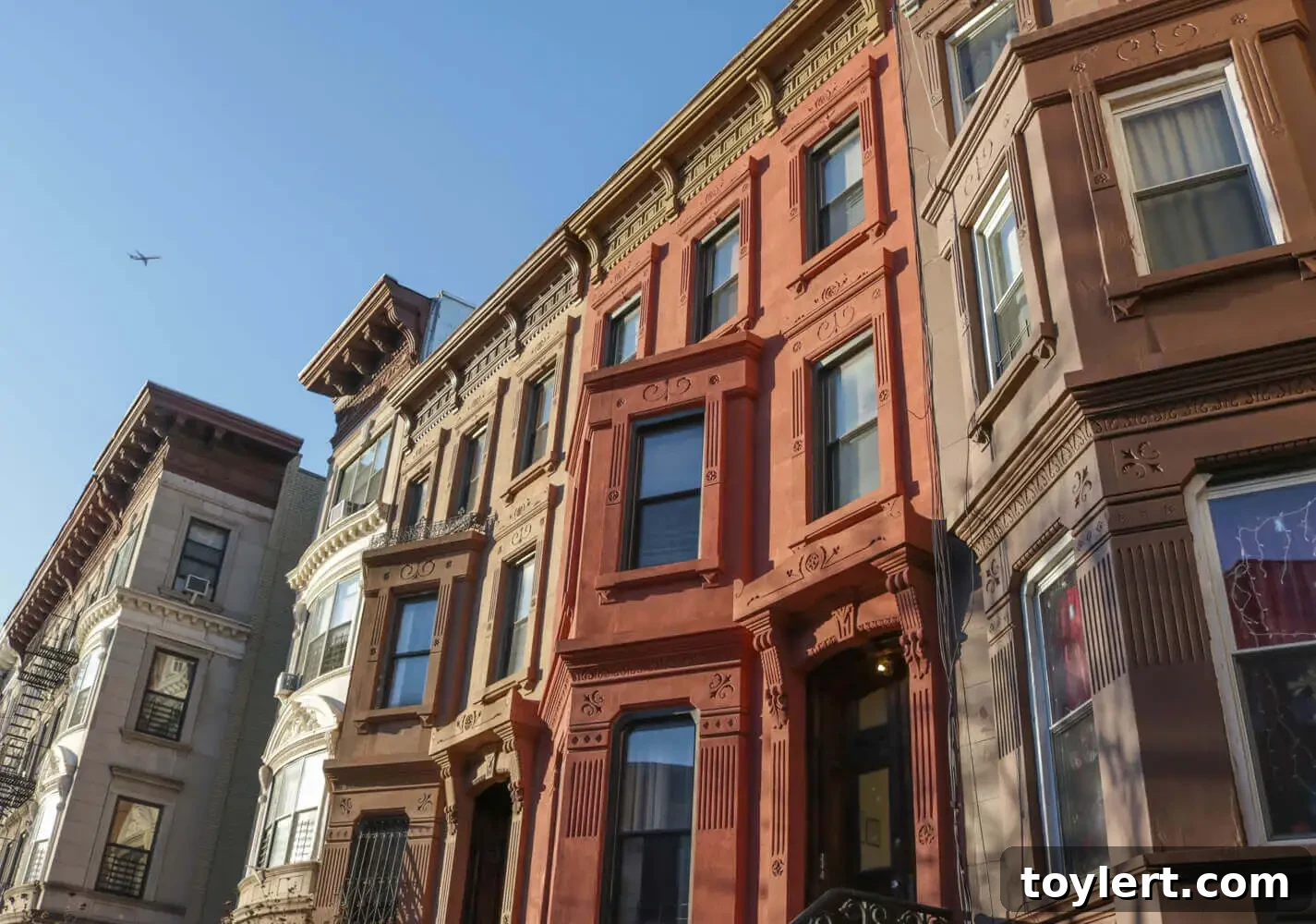
Wealthy Renters “Take Over Brooklyn” as Property Values Soar and Foreclosures Increase: A Comprehensive Report
Brooklyn’s Real Estate Paradox: Soaring Prices, Rising Foreclosures, and a Widening Divide
The real estate landscape in Brooklyn presents a striking paradox: property values and rental prices are reaching unprecedented highs across nearly all neighborhoods, yet simultaneously, the number of foreclosures is on an upward trend, and the economic chasm between the borough’s affluent and less privileged areas is expanding at an alarming rate. This complex and often contradictory scenario, highlighted in a recent extensive study by PropertyShark, paints a picture of a borough in rapid transformation, facing both unprecedented prosperity and significant socio-economic challenges.
This report delves into the intricate dynamics shaping Brooklyn’s housing market, exploring the forces driving its dramatic growth, the emergence of a new class of “wealthy renters,” the perplexing rise in foreclosures, and the profound implications of an ever-widening wealth gap. Understanding these trends is crucial for residents, investors, policymakers, and anyone interested in the future of one of New York City’s most vibrant and sought-after boroughs.
Understanding Brooklyn’s Real Estate Boom: A Magnet for Demand
Brooklyn has long shed its former image to become a global symbol of cool, culture, and community. Its diverse neighborhoods, rich history, thriving arts scene, innovative culinary landscape, and excellent public transportation links to Manhattan have made it an irresistible draw for a broad spectrum of individuals and families. This surging demand is the primary engine behind the exponential growth in property values and rental rates.
Drivers of Unprecedented Growth
- Cultural and Lifestyle Appeal: Brooklyn offers a unique blend of urban sophistication and neighborhood charm, appealing to young professionals, artists, and families alike. Areas like Williamsburg, DUMBO, Park Slope, and Brooklyn Heights are synonymous with desirable living, boasting trendy boutiques, acclaimed restaurants, and picturesque parks.
- Proximity to Manhattan: While offering a distinct identity, Brooklyn remains conveniently accessible to Manhattan’s job centers, making it a viable and often preferred alternative for those working in the city.
- Investment Hotspot: Both domestic and international investors view Brooklyn as a stable and high-growth real estate market, fueling demand for luxury condominiums and rental developments. The expectation of continued appreciation makes it an attractive place to park capital.
- Limited Supply: Despite ongoing construction, the inherent limitations of urban land supply mean that housing stock cannot keep pace with the overwhelming demand, creating fierce competition and driving prices upward.
The result is a market where bidding wars are common for purchases and desirable rental units are snatched up almost instantly. Median home prices have shattered previous records, making homeownership increasingly unattainable for many long-term residents and new entrants to the market alike.
The Ascent of the “Wealthy Renter”: A New Demographic Shift
One of the most noteworthy trends highlighted by the PropertyShark study is the increasing dominance of “wealthy renters” in Brooklyn’s housing market. This demographic comprises individuals and families who possess significant financial resources but opt to rent rather than buy, often driven by lifestyle choices, career mobility, or simply the prohibitive cost of purchasing property in their desired neighborhoods.
Who are these Wealthy Renters?
- High-Income Professionals: Many are successful professionals in finance, tech, media, and other lucrative industries who appreciate the flexibility and amenities offered by high-end rental properties.
- Families Seeking Urban Lifestyle: Affluent families, sometimes priced out of larger homes in Manhattan or even certain Brooklyn neighborhoods, choose luxury rentals that offer space and access to top-tier schools and amenities without the burdens of homeownership.
- International Residents: A substantial number are international residents or expatriates working in New York, for whom renting offers a simpler entry into the market.
- Lifestyle Choice: For some, renting is a deliberate choice that allows them to avoid property taxes, maintenance costs, and the long-term commitment of homeownership, preferring to allocate their wealth to other investments or experiences.
The influx of wealthy renters has significantly reshaped Brooklyn’s rental market. Developers are responding by constructing more luxury rental buildings equipped with state-of-the-art amenities, further elevating the average rent and creating a stark contrast with the dwindling supply of affordable housing. This shift has profound implications for the borough’s socio-economic fabric, contributing to gentrification and potentially displacing long-standing communities.
The Foreclosure Anomaly: A Dark Undercurrent in a Booming Market
Perhaps the most perplexing finding of the PropertyShark report is the concurrent rise in foreclosures amidst a period of soaring property values. This “oxymoron” reveals a deeper, more troubling aspect of Brooklyn’s economic reality – a tale of two Brooklyns where prosperity is not evenly distributed.
Why are Foreclosures Increasing?
- Lagging Economic Recovery: While some sectors of the economy thrive, many individuals and families continue to struggle with economic instability, stagnant wages, or job losses. For these homeowners, rising property taxes and general cost of living can become insurmountable burdens.
- Legacy of the 2008 Financial Crisis: Many foreclosures today are still a lingering effect of the subprime mortgage crisis. Homeowners, particularly in less affluent areas, may have purchased homes with unfavorable loan terms and are now struggling to keep up with payments, especially if their property never regained sufficient equity.
- Predatory Lending Practices: In some communities, the scars of predatory lending practices from previous decades persist, leaving homeowners vulnerable to default when faced with financial hardship.
- Property Tax Burdens: As property values skyrocket, so do property taxes. For long-term residents, particularly seniors or those on fixed incomes, these escalating costs can make it impossible to stay in homes they have owned for decades, forcing them into foreclosure or distressed sales.
- Uneven Market Recovery: While prime areas experience rapid appreciation, some neighborhoods, particularly in East and Central Brooklyn, have seen slower recovery or even dips in value, leaving some homeowners underwater and more susceptible to foreclosure if they face financial difficulties.
The PropertyShark study indicates that these foreclosures are not randomly distributed but are often concentrated in specific zip codes and neighborhoods that have historically been less affluent or have been slower to experience the full benefits of Brooklyn’s real estate boom. This geographical disparity underscores the widening economic divide within the borough.
The Widening Price Gap: Two Brooklyns Emerging
The study clearly articulates that the gap between Brooklyn’s wealthiest and poorest areas is not merely persistent but actively widening. This trend points to a bifurcated borough where opportunities and quality of life are increasingly determined by one’s address.
Manifestations of the Divide
- Displacement and Gentrification: As property values and rents in desirable neighborhoods become astronomical, lower and middle-income residents, many of whom are people of color, are often priced out of their homes and communities. This leads to displacement and a loss of the very diversity that has long defined Brooklyn.
- Access to Resources: The widening economic gap often correlates with disparities in access to quality education, healthcare, healthy food options, and green spaces. Affluent areas see increased investment in public amenities, while underserved communities struggle.
- Erosion of Community Fabric: Long-established cultural institutions, small businesses, and community networks are often threatened or lost as neighborhoods rapidly gentrify, leading to a sense of alienation for original residents.
- The “Affordability Crisis”: For essential workers, teachers, first responders, and service industry employees, finding affordable housing in Brooklyn is becoming an increasingly insurmountable challenge, threatening the borough’s ability to maintain a diverse and functional workforce.
This growing inequality poses significant questions about the long-term sustainability and social equity of Brooklyn’s development. While economic growth is desirable, an unchecked widening of the wealth gap can lead to social instability and diminish the vibrant character that makes Brooklyn so appealing.
Key Insights from the PropertyShark Report
The PropertyShark study offers invaluable data and analysis, serving as a critical barometer for Brooklyn’s complex real estate environment. While specific figures are not detailed in the snippet, such a report would typically include:
- Median Home Price Trends: Detailed analysis of year-over-year changes across various neighborhoods.
- Rental Market Statistics: Median rent data for different unit sizes and locations, tracking shifts in affordability.
- Foreclosure Hotspots: Identification of specific zip codes and neighborhoods experiencing the highest rates of foreclosure filings and completed foreclosures.
- Demographic Shifts: Analysis of population changes, income levels, and housing tenure (owner-occupied vs. renter-occupied) to understand who is moving in and who is being displaced.
- Investment Patterns: Examination of where new development is occurring and the types of properties being built, highlighting areas targeted by large-scale investors.
These insights provide a data-driven foundation for understanding the forces at play and informing future policy decisions designed to foster a more equitable and sustainable housing market.
Future Outlook and Policy Considerations
Brooklyn’s real estate market is at a critical juncture. The current trends of soaring prices, affluent renters, and rising foreclosures, coupled with a widening wealth gap, demand thoughtful consideration and proactive policy interventions. Without them, the borough risks losing its unique character and creating an increasingly exclusive environment.
Potential Avenues for Action
- Affordable Housing Initiatives: Expanding and preserving truly affordable housing options is paramount. This includes increasing funding for public housing, incentivizing developers to include affordable units, and exploring innovative models like community land trusts.
- Tenant Protections: Strengthening rent stabilization laws and providing robust legal aid for tenants facing eviction can help prevent displacement and maintain housing stability.
- Support for Homeowners: Programs that offer financial counseling, property tax relief for long-term residents (especially seniors), and assistance for homeowners struggling with mortgage payments can mitigate foreclosure rates.
- Inclusive Zoning and Development: Implementing zoning policies that encourage diverse housing types and prevent hyper-gentrification, while also ensuring new developments contribute to neighborhood infrastructure and services.
- Investing in Underrepresented Communities: Directing resources and economic development initiatives to historically underserved neighborhoods can help bridge the wealth gap and ensure equitable growth across the borough.
The conversation around Brooklyn’s housing market is not just about economics; it’s about social justice, community preservation, and the very identity of a place cherished by millions. Addressing these challenges will require collaboration between government, community organizations, developers, and residents to forge a path towards a more inclusive and sustainable future.
Conclusion: Navigating Brooklyn’s Complex Real Estate Reality
Brooklyn’s real estate market is a microcosm of broader urban dynamics, characterized by rapid growth, intense demand, and the ever-present tension between prosperity and equity. The PropertyShark report serves as a vital reminder that while Brooklyn’s allure continues to grow, its success story is not uniform. The simultaneous rise in property values and foreclosures, alongside the increasing presence of wealthy renters and a widening economic divide, underscores the urgent need for nuanced understanding and strategic action.
As Brooklyn continues its evolution, the challenge lies in harnessing its economic vibrancy to create opportunities for all its residents, ensuring that the borough remains a diverse, accessible, and thriving home for everyone, not just a select few. The future of Brooklyn depends on addressing these paradoxes head-on, striving for a real estate landscape that reflects the true spirit of its diverse and resilient communities.