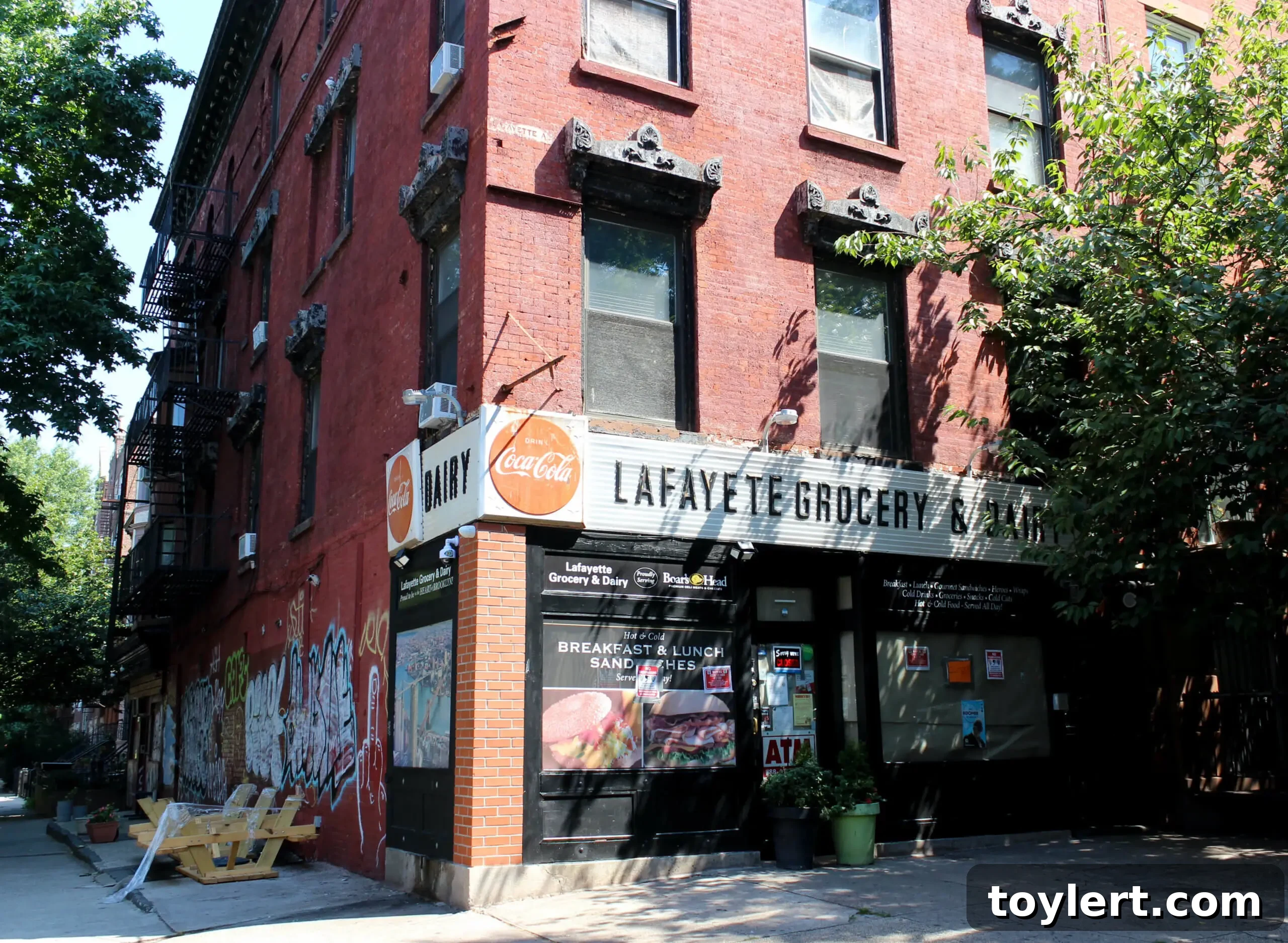
A Heartfelt Goodbye: Lafayette Grocery and Dairy Closes Its Doors, Leaving a Void in Fort Greene and Clinton Hill
A beloved neighborhood institution, Lafayette Grocery and Dairy, has officially ceased operations, bringing an end to years of dedicated service to the vibrant communities of Fort Greene and Clinton Hill. Located at the historic address of 133 Lafayette Avenue, this cornerstone establishment, cherished for its freshly prepared bagels, sandwiches, and wraps, faced an unfortunate eviction by the city marshal on July 8th, following the loss of its lease.
The closure of Lafayette Grocery and Dairy reverberates deeply through the fabric of these Brooklyn neighborhoods. What was once a bustling hub of morning commutes, quick lunch breaks, and friendly faces is now a poignant symbol of change in an ever-evolving city. The absence of its familiar storefront leaves a tangible void, reminding residents of the critical role small, independent businesses play in shaping local identity and fostering community spirit.
The Unfolding of a Neighborhood Loss
The news of the landmarked bodega’s closure initially reached the wider community through an alert to Brownstoner via Twitter, quickly spreading concern among loyal patrons. A subsequent walk-by visit to the premises confirmed the unfortunate reality: multiple marshal’s sale and possession notices were visibly affixed to the front doors of the ground-floor store, starkly indicating the finality of the situation. This public display of legal action cemented what many feared – that a long-standing local fixture was truly gone.
For decades, Lafayette Grocery and Dairy wasn’t just a place to grab a bite; it was a gathering spot, a source of daily sustenance, and a silent observer of countless local stories. Its closure wasn’t merely a business transaction; it was the quiet dismantling of a daily ritual for many, a loss felt beyond the transactional exchange of goods for money. The convenience it offered, coupled with the consistent quality of its offerings, made it an irreplaceable part of routine for students, families, and professionals alike.
More Than Just a Deli: A Community Staple’s Legacy
The outpouring of sentiment following the closure underscores its significance. A particularly touching Google review lamented, “Huge loss to our neighborhood, and the abandoned store cats Shadow and Midnight.” This brief but potent comment encapsulates the multifaceted impact of the closure, highlighting not only the practical loss for human residents but also the fate of the beloved animals who had become unofficial mascots, adding to the store’s unique charm and personality. Shadow and Midnight were more than just cats; they were part of the Lafayette Grocery and Dairy experience, embodying the homely and welcoming atmosphere that set the store apart.
For many, the deli was a place of comfort and familiarity. Its menu, though simple, was expertly executed, offering everything from classic New York bagels, perfectly toasted and generously schmeared, to hearty sandwiches and fresh wraps made to order. These were not just meals; they were fuel for busy days, comfort food, and often, the starting point for friendly banter with staff and fellow customers. The consistent quality and friendly service fostered a sense of loyalty that few modern establishments manage to achieve, making it a true Fort Greene icon.
The deep roots of Lafayette Grocery and Dairy extend far into the past. Historical records, including a compelling historic tax photo, confirm that the space at 133 Lafayette Avenue has operated as a deli since at least the 1930s. This remarkable longevity speaks volumes about the enduring need for such establishments and the consistent demand they meet within urban communities. For nearly a century, this location has served its purpose, evolving with the neighborhood but always retaining its core function as a local grocer and eatery.
A Glimpse into the Past: The Historic Bodega
The landmarked status of the building further emphasizes its historical significance. While the exact details of its landmark designation might relate more to its architectural integrity than its commercial history, the fact that a deli has continuously occupied this particular spot for over nine decades adds an invaluable layer to its story. Landmarking in New York City aims to preserve structures and areas that hold special architectural, historical, or cultural significance, ensuring that the city’s unique character is maintained for future generations. For 133 Lafayette Avenue, the history of its ground-floor tenant, Lafayette Grocery and Dairy, became intertwined with its landmark identity, contributing to its unique charm.
This enduring presence made Lafayette Grocery and Dairy more than just a convenience store; it was a living piece of Fort Greene’s history, a constant amidst changing trends and evolving demographics. Its closure is not just the end of a business; it’s the quiet fading of a historical thread, leaving residents to wonder what new chapter will begin in a space so deeply etched with the memories of generations.
The Broader Implications: Small Businesses in NYC
The demise of Lafayette Grocery and Dairy is a stark reminder of the challenges faced by small, independent businesses in New York City. The loss of a lease, often driven by rising property values and subsequent rent hikes, is a common narrative in rapidly gentrifying neighborhoods like Fort Greene and Clinton Hill. These areas, once overlooked, have become highly desirable, leading to increased competition for prime commercial spaces and making it increasingly difficult for long-standing establishments to remain viable.
The ripple effect of such closures extends beyond the immediate employees and owners. Each independent business contributes to the unique character and economic diversity of a neighborhood. When they disappear, they often take with them jobs, local flavor, and a sense of community that larger chain stores, despite their efficiencies, struggle to replicate. The loss of a local deli means fewer options for fresh, quickly prepared meals, but also a reduction in casual meeting spots where neighbors can connect, fostering a less intimate, more anonymous urban experience.
Community outcry over such closures is a recurring theme in Brooklyn. Residents often express frustration and sadness as they witness beloved establishments vanish, replaced sometimes by upscale boutiques, generic chains, or simply remaining vacant for extended periods. This cycle often sparks broader conversations about urban development, affordability, and the preservation of local heritage in the face of relentless economic pressures.
What Lies Ahead for 133 Lafayette Avenue?
With Lafayette Grocery and Dairy now gone, the question of what will occupy 133 Lafayette Avenue looms large. Will another independent business brave the competitive landscape? Or will the space be absorbed by a larger corporation, further homogenizing the commercial streetscape? The hopes and fears of residents are palpable, torn between the desire for useful services and the anxiety of losing more of the unique character that defines their home.
The prime location in Fort Greene, coupled with the building’s historical appeal, makes it an attractive prospect for various ventures. However, for those who called Lafayette Grocery and Dairy a daily destination, no replacement will truly fill the sentimental void left by the departure of Shadow and Midnight, the familiar faces behind the counter, and the comforting aroma of fresh coffee and toasted bagels that once wafted from its doors.
The closure serves as a potent reminder of the fragility of local businesses and the importance of active community support. Every dollar spent at a neighborhood shop, every recommendation shared, contributes to the longevity and vibrancy of these essential establishments. As Fort Greene and Clinton Hill continue to evolve, the memory of Lafayette Grocery and Dairy will undoubtedly remain, a testament to a place that was much more than just a store – it was a true neighborhood heart.