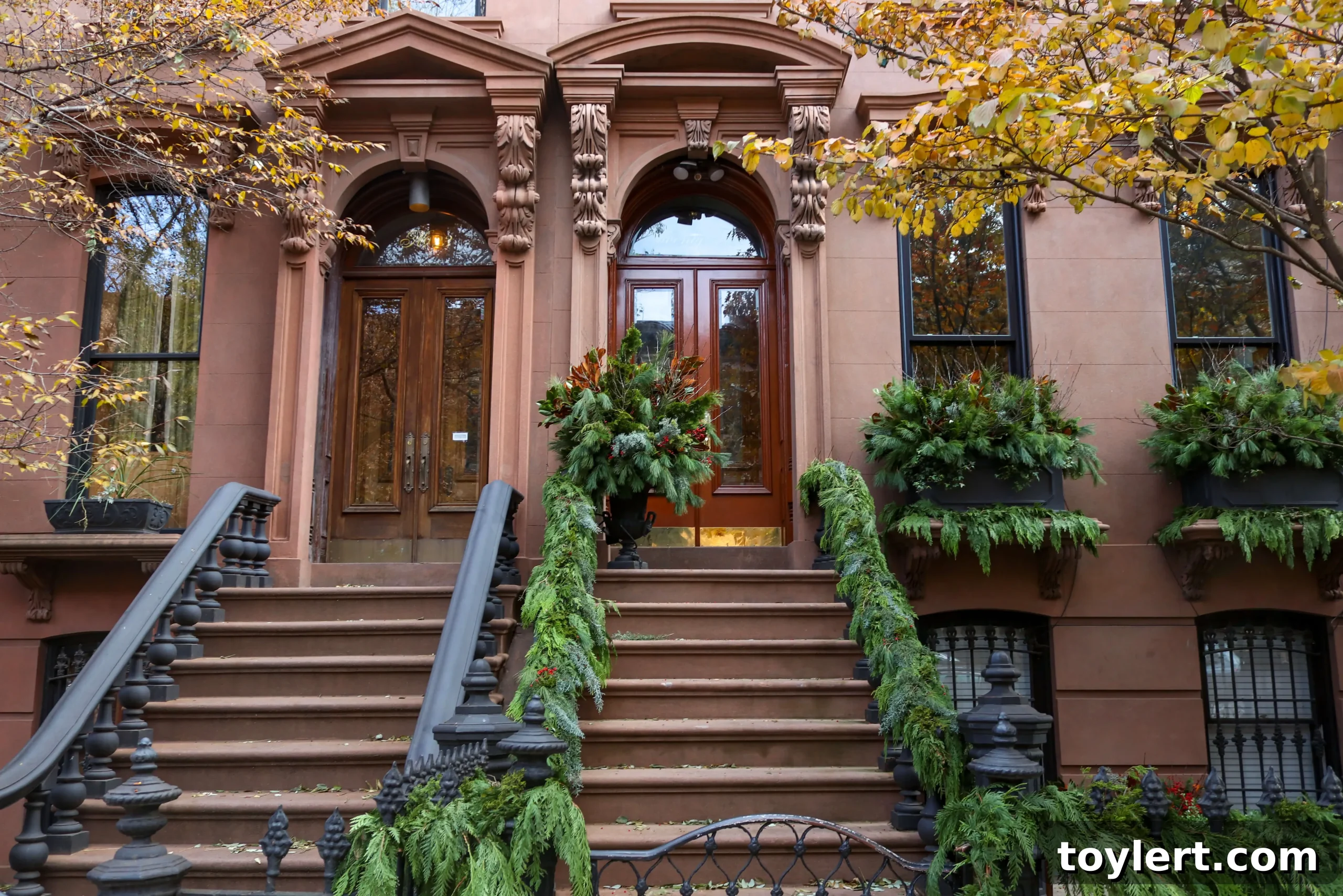
Exploring Brooklyn’s Dynamic Landscape: News, Real Estate, and Community Insights
Brooklyn stands as a vibrant and ever-evolving borough within New York City, consistently drawing attention for its unique blend of historic charm, innovative businesses, and bustling urban development. From critical infrastructure discussions to groundbreaking real estate ventures and flourishing local economies, Brooklyn is a microcosm of urban dynamism. This article delves into recent key developments, offering a comprehensive look at the forces shaping this iconic borough, providing valuable insights for residents, prospective buyers, and urban enthusiasts alike.
Navigating Urban Challenges: Infrastructure and Public Safety
Maintaining and upgrading infrastructure is a continuous challenge for any major city, and Brooklyn is no exception. With a dense population and a rich history, the borough constantly grapples with the need to modernize its public transit, utility systems, and ensure the safety and accessibility of its public spaces. These efforts are crucial for sustaining growth and improving the quality of life for millions of New Yorkers.
A significant concern for commuters in areas like Dumbo has been the need for improved accessibility at key transit points. For instance, reports highlighting the desire for a safer second entrance at the York Street Station underscore the ongoing dialogue between residents and transit authorities. Enhancing subway stations is not merely about convenience; it’s about public safety, emergency preparedness, and ensuring that Brooklyn’s public transport network can efficiently serve its growing ridership. Such initiatives often involve complex engineering, urban planning considerations, and community input to strike the right balance between functionality and historical preservation.
Beyond transportation, the reliability of essential utilities also remains a priority. Recent incidents, such as water main breaks flooding streets in Sunset Park, bring to light the aging infrastructure many urban centers contend with. These events disrupt daily life, cause property damage, and highlight the critical importance of regular maintenance and timely upgrades to the city’s complex network of pipes and conduits. Effective response and long-term preventative measures are essential to minimize the impact on Brooklyn’s diverse neighborhoods.
Furthermore, discussions around energy supply and policy have a profound impact on development and daily living. The agreement by National Grid to end a gas moratorium following intense negotiations with state leadership signifies the intricate balance between energy needs, environmental concerns, and political will. Such decisions affect everything from new construction projects to the heating and cooking capabilities for thousands of Brooklyn residents and businesses, underscoring the systemic interdependencies within the urban environment.
Brooklyn’s Booming Real Estate: New Developments and Market Dynamics
Brooklyn’s real estate market continues to be one of the most dynamic and sought-after in the country, characterized by a fascinating interplay of historic preservation and modern expansion. The borough offers a vast spectrum of living and commercial opportunities, from charming brownstones in tree-lined streets to sleek high-rises commanding stunning city views. Understanding the forces at play in this market is key for anyone interested in Brooklyn’s future.
In historically significant areas like the Brooklyn Heights Historic District, new construction is a rare and often debated phenomenon. The planning of new construction within this district speaks volumes about the enduring demand for prime locations and the careful balance developers must strike with preservation guidelines. Such projects are meticulously reviewed, ensuring they complement the existing architectural grandeur while addressing contemporary housing needs. This delicate act of balancing the old with the new is a hallmark of Brooklyn’s real estate evolution.
Meanwhile, Downtown Brooklyn continues its transformation into a robust commercial and residential hub. The news of a “mystery tenant” landing raw space here highlights the increasing appeal of the area for businesses seeking strategic locations outside of traditional Manhattan corridors. This trend indicates a strong confidence in Brooklyn’s economic future and its ability to attract major players, further diversifying its commercial landscape and creating job opportunities. The growth of Downtown Brooklyn reflects a broader shift towards decentralized business districts within the city.
Residential development across the borough also remains robust, catering to a diverse population. The filing of permits for a seven-story residential building on Nostrand Avenue in Midwood is a testament to the continuous need for housing options in various Brooklyn neighborhoods. These developments often bring modern amenities and diverse housing types, contributing to the evolving urban fabric of areas that might traditionally have been dominated by single-family homes or smaller residential units. Such projects are vital for accommodating Brooklyn’s growing population and maintaining its accessibility.
However, the real estate market is not without its challenges. The news of bankruptcy for a LLC in Williamsburg serves as a reminder of the inherent risks and competitive nature of development. Market fluctuations, financing hurdles, and project complexities can impact even well-established entities. These occurrences provide a sobering perspective on the economic realities that underpin the thriving real estate sector, emphasizing the need for robust planning and financial prudence in an ever-changing market.
Taste of Brooklyn: Culinary Innovations and Entrepreneurial Spirit
Brooklyn’s reputation as a culinary hotspot and a hub for innovative local businesses continues to grow, attracting foodies and entrepreneurs alike. The borough’s diverse neighborhoods each contribute unique flavors and concepts, making it a vibrant destination for gastronomic exploration and craft industries. This entrepreneurial spirit is a cornerstone of Brooklyn’s identity.
The culinary scene, in particular, thrives on creativity and niche offerings. For example, the HiHi Room in Boerum Hill making waves by cracking the code on Cincinnati Chili showcases Brooklyn’s willingness to embrace and reinterpret diverse regional cuisines. Such ventures highlight the borough’s adventurous palate and its ability to turn specific food concepts into local phenomena, drawing patrons from across the city and beyond. These unique establishments contribute significantly to the borough’s cultural richness and economic vitality.
Beyond food, Brooklyn is also a haven for craft industries and local producers. The interest of gin distillers eyeing a new location in Gowanus exemplifies the borough’s appeal for artisanal businesses. Gowanus, with its industrial past and ongoing revitalization, offers suitable spaces for production while aligning with the demand for locally sourced and crafted goods. This trend not only supports local economies but also enhances Brooklyn’s brand as a center for authentic, high-quality products, from craft beverages to bespoke goods.
Iconic Landmarks and Shifting Identities: Embracing Brooklyn’s Heritage
Brooklyn’s identity is deeply intertwined with its iconic landmarks and the stories they tell. These structures often symbolize periods of significant change, reflecting the borough’s ability to adapt, evolve, and redefine itself while honoring its rich heritage. The transformation of these landmarks offers a compelling narrative of Brooklyn’s enduring spirit.
A prime example of this evolution is the former Watchtower Building in Brooklyn Heights. The unveiling of a new ‘Welcome’ sign atop this prominent structure marks a symbolic shift. Once the headquarters for a religious organization, the building has been redeveloped into a modern commercial and residential complex. The new sign not only signifies a change in ownership and purpose but also serves as a visible beacon welcoming visitors and residents to one of Brooklyn’s most distinguished neighborhoods. It encapsulates the borough’s journey from its industrial and religious past to its vibrant, contemporary future, all while retaining its distinct character and architectural grandeur.
In Conclusion: Brooklyn’s Continuous Evolution
From the ongoing efforts to enhance public transit and maintain essential infrastructure to the dynamic shifts in its real estate market, and from its thriving culinary scene to the symbolic transformations of its landmarks, Brooklyn remains a borough in constant motion. The news items highlighted here collectively paint a picture of a community actively engaged in shaping its future—addressing challenges, embracing innovation, and celebrating its unique identity. Brooklyn continues to solidify its reputation as a leading urban center, offering a compelling blend of history, culture, and progress that resonates deeply with those who call it home and those who visit. Keeping abreast of these developments is essential for understanding the pulse of this extraordinary New York City borough.
In the News (Original Snippets)
- Dumbo Riders Want a Safer York Street Station [Eagle]
- Rare New Construction Planned in the Brooklyn Heights Historic District [Eagle]
- Sunset Park Streets Flood After Water Main Break [BP]
- Mystery Tenant Lands Raw Space in Downtown Brooklyn [Crain’s]
- Boerum Hill’s HiHi Room Cracks the Code on Cincinnati Chili [NYMag]
- New ‘Welcome’ Sign Debuts on Former Watchtower Building [Curbed]
- Gin Distillers Eye New Brooklyn Location in Gowanus [Patch]
- National Grid Agrees to End Gas Moratorium [Eagle]
- It’s Bankruptcy Time for Michael Lichtenstein LLC in Williamsburg [TRD]
- Seven-Story Residential Building Coming to Nostrand Avenue in Midwood [NYY]