Brooklyn’s Dynamic Tapestry: Unpacking Urban Evolution, Community Vibrancy, and Enduring Charm
Brooklyn, New York’s most populous borough, stands as a testament to perpetual transformation. A vibrant mosaic of historic brownstones, cutting-edge architectural marvels, and diverse cultural enclaves, it continuously reinvents itself while holding fast to its distinct identity. From ambitious green initiatives atop iconic structures to the steadfast activism of its residents shaping the urban landscape, Brooklyn offers a compelling narrative of growth, challenges, and unwavering community spirit. This exploration delves into the various facets that define Brooklyn’s enduring allure, examining its real estate surges, significant development projects, cherished local traditions, and the critical issues that shape daily life for its millions of inhabitants.
The Evolution of Brooklyn’s Skyline: Major Developments and Green Initiatives
The borough’s landscape is in constant flux, marked by monumental projects that redefine its economic and environmental footprint. A prime example of this progressive vision is the Barclays Center, a modern architectural icon in Prospect Heights. Beyond its role as a premier entertainment venue, the Barclays Center has also embraced sustainable urban design by planning for a substantial green roof. This “grassy lid” symbolizes a broader commitment to integrating eco-friendly practices into large-scale urban developments, aiming to reduce the urban heat island effect, improve air quality, and manage stormwater runoff. Such initiatives highlight Brooklyn’s dedication to sustainable growth, positioning it at the forefront of environmentally conscious urban planning.
Parallel to these grand projects, smaller, yet equally impactful transformations are occurring across Brooklyn’s neighborhoods. Bushwick, once an industrial stronghold, epitomizes the borough’s capacity for reinvention. Areas like Johnson Avenue are witnessing the conversion of old warehouses and commercial spaces into dynamic new uses. A planned nightclub conversion at 599 Johnson Avenue, for instance, underscores Bushwick’s evolution into a thriving cultural hub, famed for its vibrant arts scene, burgeoning nightlife, and burgeoning creative industries. These conversions not only preserve a piece of the borough’s industrial heritage but also inject new life and economic activity into former manufacturing zones, attracting artists, entrepreneurs, and residents seeking a unique urban experience.
However, urban development in Brooklyn is not without its complexities and controversies. The Atlantic Yards/Pacific Park project near Downtown Brooklyn, a massive mixed-use development, has been a focal point of debate for years. Intended to bring housing, commercial spaces, and a new arena (the Barclays Center itself), its realization has been accompanied by significant social and economic shifts. The poignant story of the last Atlantic Yards holdout evicted from their Dean Street home serves as a stark reminder of the human cost often associated with large-scale urban renewal projects. These narratives highlight the delicate balance between progress and preservation, gentrification and displacement, and the continuous struggle for community voices to be heard in the face of powerful development interests. The Atlantic Yards saga encapsulates the broader tensions inherent in Brooklyn’s rapid development, sparking critical conversations about affordable housing, neighborhood character, and equitable urban planning.
Navigating Brooklyn’s Housing Landscape: Affordability and Community Advocacy
The unprecedented growth and popularity of Brooklyn have profoundly impacted its housing market. The borough has consistently seen its rental prices reach new peaks, reflecting intense demand, limited supply, and a shifting demographic. These rising rents pose significant challenges for long-time residents, artists, and families, threatening to displace diverse communities that have historically defined Brooklyn’s character. The escalating cost of living prompts crucial discussions about housing affordability, rent control, and the need for inclusive development strategies to ensure Brooklyn remains accessible to a wide spectrum of New Yorkers.
In response to these market pressures and city-wide planning initiatives, communities across Brooklyn are actively engaging in advocacy and civic participation. The ongoing dialogues surrounding the city’s rezoning plans, particularly in neighborhoods like East New York, exemplify this grassroots activism. Hundreds of residents have rallied to demand meaningful community input, striving to ensure that future development plans reflect the needs and aspirations of existing residents rather than solely catering to external development interests. These efforts underscore the profound sense of ownership and commitment Brooklynites feel towards their neighborhoods, highlighting their determination to shape a future that is both progressive and equitable. Community input is vital for developing sustainable, inclusive urban environments that benefit everyone, and East New York’s residents are at the forefront of this movement.
Brooklyn’s Vibrant Lifestyle: From Parks to Politics
Beyond its dynamic real estate market and development projects, Brooklyn thrives as a hub of cultural activity, community events, and diverse lifestyles. Brooklyn Bridge Park, a stunning waterfront green space, has become an indispensable amenity for residents and visitors alike. This meticulously designed park offers breathtaking views of the Manhattan skyline, recreational piers, and expansive lawns, serving as a backdrop for countless community gatherings. It also plays host to major athletic events, such as the pre-party for the Brooklyn Half Marathon. Runners flock to the park, not only for the picturesque setting but also for the camaraderie and festive atmosphere that precedes one of New York City’s most anticipated races. These events reinforce Brooklyn Bridge Park’s role as a vital center for health, wellness, and community engagement, fostering a sense of shared identity among participants.
Brooklyn’s growing influence extends even to the political arena, drawing national attention and hosting significant events. Red Hook, a charming and resilient waterfront neighborhood, has increasingly found itself on the political map. The visit of prominent political figures, such as presidential campaign donors touring campaign headquarters at 1 Pierrepont, underscores Brooklyn’s strategic importance in wider political landscapes. Red Hook, with its unique blend of industrial past and burgeoning artistic and culinary scenes, offers a distinct backdrop for such high-profile events, further cementing Brooklyn’s status as a multifaceted borough that commands attention on various stages.
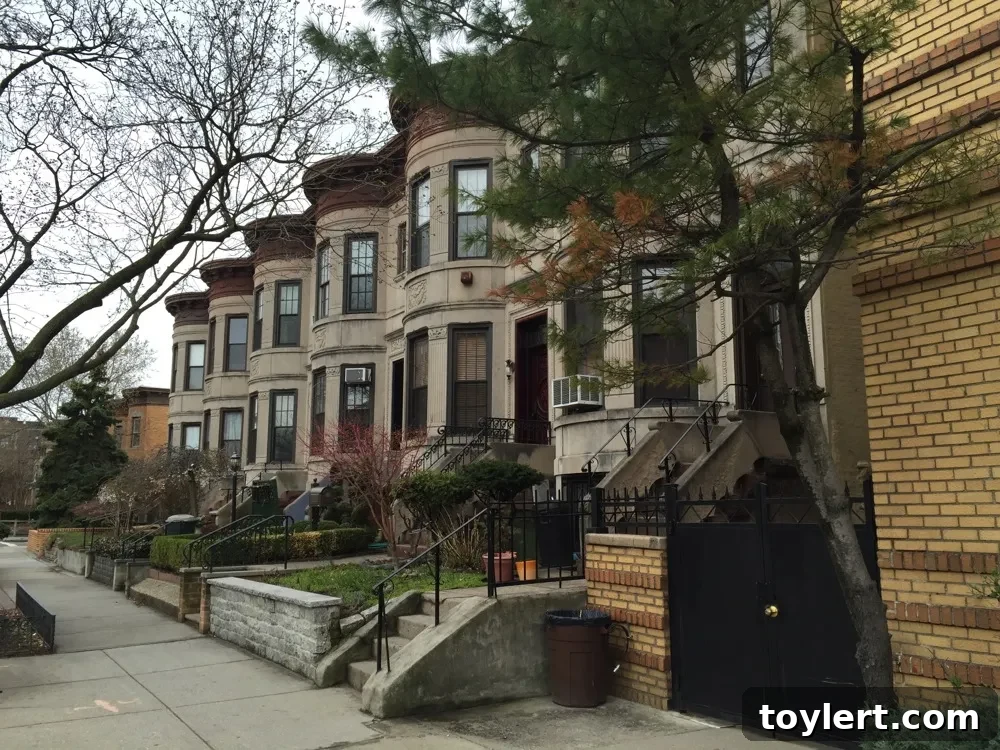
Adding to Brooklyn’s rich tapestry is its architectural heritage, which continues to define the character of many neighborhoods. Bay Ridge, located at the southwestern tip of the borough, is particularly known for its stunning examples of Renaissance Revival row houses. These elegant structures, often featuring intricate stonework, ornate facades, and grand proportions, represent a bygone era of craftsmanship and contribute significantly to the aesthetic appeal and historical depth of the area. Preserving these architectural gems is crucial, as they tell the story of Brooklyn’s past and provide a tangible link to its origins, making Bay Ridge a cherished enclave that balances historic charm with modern living. The diversity in Brooklyn’s housing stock, from these ornate row houses to contemporary high-rises, reflects its unique blend of history and innovation.
Addressing Urban Challenges: Infrastructure and Public Safety
Amidst its growth and vibrancy, Brooklyn, like any major urban center, faces its share of operational challenges. Issues related to public safety and infrastructure are paramount to maintaining the quality of life for its residents. Reports detailing potential difficulties for T-Mobile cell phone users in parts of Brooklyn to call 911 highlight critical vulnerabilities in essential emergency services. Such incidents underscore the continuous need for robust and reliable public safety infrastructure in a densely populated urban environment. Ensuring seamless access to emergency services is a fundamental responsibility, requiring ongoing investment and vigilance from telecommunication providers and city authorities alike. These challenges serve as a reminder that urban progress must always be accompanied by unwavering attention to the foundational services that support community well-being.
Brooklyn’s Enduring Allure: A Forward-Looking Perspective
In summary, Brooklyn remains a borough of captivating contrasts and relentless evolution. From its ambitious green building projects and burgeoning cultural scenes to its fiercely independent communities advocating for equitable development, Brooklyn embodies the dynamic spirit of urban life. The interplay between historic preservation and modern advancement, coupled with its vibrant community life and persistent challenges, creates a unique and ever-changing landscape. Brooklyn’s story is one of resilience, innovation, and an unwavering commitment to its identity, ensuring its place as one of the world’s most fascinating and influential urban centers for generations to come. It truly is a place where history and modernity, local charm and global influence, coalesce into an unparalleled urban experience.