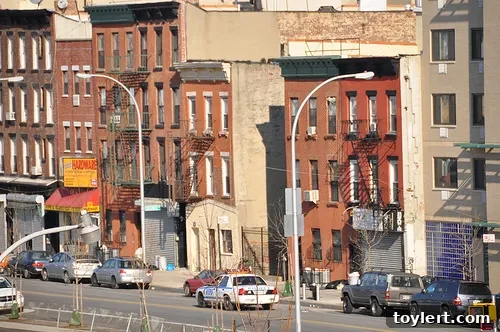
Brooklyn’s Dynamic Landscape: A Snapshot of Neighborhood Evolutions and Culinary Shifts
Brooklyn, a borough renowned for its vibrant character and ever-evolving urban fabric, continues to capture the imagination of residents and visitors alike. From its burgeoning waterfronts to its historic brownstone-lined streets, each neighborhood tells a unique story of growth, challenge, and adaptation. This overview delves into recent developments across several key Brooklyn communities, highlighting significant openings, closures, and ongoing transformations that shape the borough’s distinctive charm.
Columbia Street Waterfront: An Emerging Destination Facing Modern Challenges
The Columbia Street Waterfront, a picturesque strip along the Red Hook channel, has recently become a focal point of discussion within Brooklyn’s urban development circles. The question on many minds, as posed by publications like the Brooklyn Paper, is whether this waterfront gem is poised to become the “new Smith Street” – a testament to its burgeoning potential as a vibrant culinary and retail hub.
The Rise of a New Culinary Hotspot
One of the most significant indicators of the Columbia Street Waterfront’s growing prominence is the arrival of high-profile culinary establishments. The opening of Pok Pok, a critically acclaimed Thai restaurant, has undoubtedly brought a new level of culinary prestige and a significant draw to the area. Known for its authentic and vibrant flavors, Pok Pok’s presence signals a maturing dining scene, attracting food enthusiasts from across the city and beyond. This, coupled with the interest from other new restaurants vying for space, paints a picture of a neighborhood on the cusp of a gastronomic renaissance. These new ventures are not just adding dining options; they are contributing to the neighborhood’s overall vibrancy, creating jobs, and fostering a stronger sense of community.
Green Spaces and Connectivity: The Promise of the Greenway
Beyond its culinary appeal, the Columbia Street Waterfront is set to benefit immensely from ongoing infrastructure projects. The highly anticipated Brooklyn Greenway, a multi-use path designed to connect Brooklyn’s waterfront neighborhoods, promises to transform accessibility and quality of life for residents. This ambitious project aims to provide scenic routes for pedestrians and cyclists, linking green spaces and offering unparalleled views of the harbor and Manhattan skyline. The coming park spaces further enhance the appeal, providing much-needed recreational areas and contributing to the neighborhood’s environmental sustainability. These green initiatives are crucial for improving pedestrian access, fostering outdoor activities, and enhancing the overall aesthetic and ecological value of the waterfront.
Navigating the Challenges of Growth
Despite these promising developments, the Columbia Street Waterfront faces a unique set of challenges that could temper its rapid evolution. Transportation remains a significant hurdle; the neighborhood’s geographic isolation, with limited direct subway access, often necessitates reliance on buses or private vehicles. This can deter potential visitors and residents who prioritize convenient public transit. Furthermore, ongoing construction, while a sign of progress, can create temporary disruptions, noise, and inconvenience for existing businesses and residents. These infrastructural growing pains are often an inevitable part of urban development, but they require careful management to minimize negative impacts. The path to becoming a fully integrated and accessible urban destination is complex, and addressing these infrastructural gaps will be key to unlocking the neighborhood’s full potential.
A Community Hub Under Threat: The Post Office Closure
Amidst this backdrop of development and aspiration, the community is grappling with less positive news. According to reports from CG Patch, the Columbia Street Post Office is slated for closure due to budget cuts. The potential loss of this vital community service highlights the broader economic pressures affecting public infrastructure. A local post office is more than just a place to send mail; it often serves as a central point for community interaction, providing essential services to residents, especially the elderly and those without easy access to digital alternatives. Its closure could have a significant impact on daily life for many, underscoring the delicate balance between urban growth and the preservation of essential local amenities.
Cobble Hill and Carroll Gardens: A Shifting Culinary Landscape
Just a stone’s throw away, the established neighborhoods of Cobble Hill and Carroll Gardens continue to demonstrate their resilience and dynamism, particularly within their celebrated dining scenes. These areas are known for their charming streets, independent boutiques, and a diverse array of restaurants, constantly adapting to evolving tastes and economic realities.
New Beginnings: Arthur on Smith
Excitement is building for the upcoming opening of Arthur on Smith, an organic and local-focused restaurant slated to launch on March 19th at 276 Smith Street. Grub Street has already posted its highly anticipated menu, offering a glimpse into the culinary philosophy of Southfork Kitchen’s renowned chef. This new establishment perfectly aligns with Brooklyn’s growing demand for farm-to-table dining experiences, emphasizing fresh, sustainably sourced ingredients. Arthur on Smith is expected to quickly become a popular addition, further cementing Smith Street’s reputation as a prime destination for sophisticated dining. Its commitment to local sourcing not only supports regional agriculture but also resonates with a health-conscious and environmentally aware clientele, promising a fresh culinary perspective for the neighborhood.
Farewell to a Fixture: Sweet Melissa’s Closure
However, alongside new beginnings, the culinary landscape also witnesses poignant farewells. Sweet Melissa, a beloved neighborhood institution, has closed its doors at the corner of Court and Douglas Streets. Having served the community since 1998, its departure marks the end of an era for many long-time residents. As Pardon Me For Asking (PMFA) aptly put it, “Melissa’s will be missed by many.” Establishments like Sweet Melissa often become integral parts of a neighborhood’s identity, cherished for their consistency, familiar atmosphere, and role as gathering places. Its closure could be attributed to various factors, including rising operational costs, increased competition, or changing consumer preferences, reflecting the inherent challenges of sustaining a long-standing business in a rapidly gentrifying urban environment. The void left by such a venerable establishment is often deeply felt, prompting reflections on the evolving character of these cherished Brooklyn streets.
Brooklyn Heights: Retail Space Restructuring on Hicks Street
A little further north, in the historic and elegant neighborhood of Brooklyn Heights, changes are underway in the retail sector. Construction workers are currently engaged in combining the retail spaces at 214-216 Hicks Street. This address was formerly home to unique boutiques like Overtures and Dara Ettinger, which contributed to the neighborhood’s distinctive shopping experience. The decision to merge these units suggests a strategic move to create a larger commercial footprint, potentially attracting a different caliber of tenant or a business requiring more expansive square footage. As of now, the larger combined space remains unleased, hinting at the deliberate search for a tenant that can leverage this prime location within one of Brooklyn’s most affluent and well-preserved residential areas. The eventual occupant will likely significantly influence the retail dynamic of this quiet, yet commercially significant, stretch of Hicks Street.
Park Slope: Adapting to Community Needs and Tastes
Park Slope, known for its stately brownstones, family-friendly atmosphere, and vibrant commercial corridors, continually adapts to the evolving needs and tastes of its diverse population. This neighborhood is a microcosm of Brooklyn’s broader trends, balancing a rich history with modern developments in retail and community services.
A Flourishing Literary Hub: The Opening of “The Book Nook”
Reflecting Park Slope’s deep appreciation for culture and community, the neighborhood recently celebrated the opening of “The Book Nook,” an independent bookstore and café located on 7th Avenue. This charming new establishment offers a curated selection of contemporary literature, children’s books, and local author features, alongside a cozy café serving artisanal coffees and pastries. The Book Nook has quickly become a beloved community gathering spot, providing a welcoming space for literary discussions, author readings, and quiet contemplation. Its success underscores the enduring appeal of physical bookstores in an increasingly digital world, particularly in neighborhoods like Park Slope where intellectual curiosity and community engagement are highly valued. This opening contributes significantly to the local economy, creates cultural opportunities, and further enhances the neighborhood’s reputation as a haven for arts and intellect.
The End of an Era: “Grandma’s Closet” Closes Its Doors
Conversely, the neighborhood also bid farewell to “Grandma’s Closet,” a beloved vintage clothing store that had been a fixture on 5th Avenue for over three decades. Known for its eclectic collection of unique apparel and accessories, Grandma’s Closet was more than just a shop; it was a cultural landmark, cherished by generations of Park Slope residents for its quirky charm and personal service. The closure, attributed to the owner’s retirement and the increasing pressure of rising commercial rents, highlights a common challenge faced by long-standing independent businesses in rapidly developing urban areas. While new businesses bring fresh energy, the loss of such iconic establishments often evokes a sense of nostalgia and concern for the preservation of neighborhood character. The departure of Grandma’s Closet serves as a reminder of the constant flux within urban retail landscapes, where the old often gives way to the new, sometimes at the expense of unique local flavor.
Brooklyn’s Enduring Evolution: A Tapestry of Change
These snapshots from the Columbia Street Waterfront, Cobble Hill/Carroll Gardens, Brooklyn Heights, and Park Slope collectively illustrate the dynamic and multifaceted nature of Brooklyn. The borough is a place of constant evolution, where ambitious development projects, shifting culinary trends, and the ebb and flow of local businesses continuously redefine its identity. While new ventures bring excitement and economic growth, the challenges of infrastructure, affordability, and the preservation of community character remain central to Brooklyn’s ongoing narrative. As these neighborhoods navigate their individual trajectories, they collectively contribute to the rich, diverse, and ever-changing tapestry that is Brooklyn – a borough that truly lives at the intersection of history and innovation.