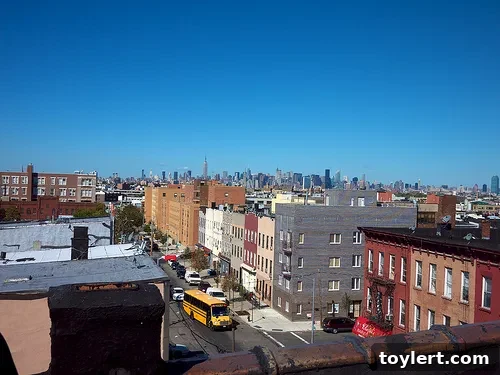
Bushwick’s Battle for Balance: Community Calls for Downzoning Amid Rapid Development
Bushwick, a vibrant Brooklyn neighborhood renowned for its artistic spirit and diverse community, finds itself at a critical crossroads. Alarmed by a relentless boom in new construction projects, the influx of businesses, and an alarming surge in residential and commercial rents, local residents and stakeholders are voicing urgent concerns. The neighborhood’s identity, affordability, and unique character are perceived to be under threat, prompting a significant move by its community leaders.
In response to these transformative pressures, Bushwick Community Board Four has formally requested a downzoning of certain areas within the neighborhood. This proactive measure aims to curb the rapid pace of development and safeguard the existing fabric of the community. However, as DNAinfo reported, the path to achieving such a rezoning is fraught with complexities, similar to previous unsuccessful attempts, like the community’s past request to cap bar sales at midnight.
Understanding the Downzoning Imperative: Why Bushwick Seeks Change
Downzoning refers to the process of changing the zoning classification of a parcel of land to a less intensive use. In Bushwick’s case, this would primarily mean lowering the allowable density and height limits for new buildings. The community’s aspiration is to prevent the proliferation of towering high-rises that could overshadow existing residential neighborhoods, fundamentally altering the streetscape and community feel that residents cherish.
The concerns articulated by Community Board Four in their letter to elected officials extend beyond mere building heights. They highlight a problematic “proliferation of bars, nightclubs, liquor stores on the main streets and avenues, and box storage warehouses.” This combination points to a shift in land use that many residents believe is detrimental to a cohesive and livable neighborhood. An excessive concentration of nightlife venues can lead to increased noise, late-night disturbances, and a strain on local resources, while large storage facilities often create inactive street fronts, detracting from pedestrian vitality and community interaction.
The Human Cost: Affordable Housing and Displacement Concerns
At the heart of Bushwick’s rezoning debate lies a deep concern for affordability and the potential displacement of long-time residents and businesses. Rolando Guzman, a Bushwick resident who previously collaborated with the non-profit St. Nick’s Alliance during Williamsburg’s significant rezoning in 2005, powerfully articulated this sentiment: “The last thing Bushwick needs is high rises. It needs affordable housing.”
Guzman’s statement resonates with countless individuals and families who have called Bushwick home for generations. As property values skyrocket and new developments cater to higher-income demographics, the existing housing stock becomes increasingly unaffordable, pushing out those who have built and sustained the community. The displacement of local businesses, often cornerstones of neighborhood life, further erodes the area’s unique character and economic diversity. The community seeks “some rule to prevent the displacement of local businesses and residents,” recognizing that the soul of Bushwick lies within its diverse population and independent establishments.
Lessons from Williamsburg’s Transformation
The reference to Williamsburg’s 2005 rezoning is particularly poignant. Williamsburg underwent a dramatic transformation following its rezoning, which, while bringing new development and residents, also accelerated gentrification and significantly impacted the affordability and character of the area. The involvement of organizations like St. Nick’s Alliance in those discussions underscores the long-standing efforts of community groups to advocate for equitable development outcomes. Bushwick residents are keenly aware of these historical precedents and are determined to avoid a similar fate without adequate protections for their community.
Navigating the Bureaucratic Maze: Challenges to Rezoning
While the Community Board’s request for downzoning reflects a strong local desire, it is important to understand the complex bureaucratic process involved. A Community Board, despite its vital role in advising local government, ultimately has no direct power to force a rezoning. Such a significant change in zoning regulations falls under the purview of the Department of City Planning and ultimately requires approval from the City Council.
A spokesman for the Department of City Planning confirmed that any rezoning proposal would necessitate “lengthy analysis and public engagement.” This process typically involves comprehensive environmental impact studies, detailed demographic and economic analyses, multiple public hearings, and extensive negotiations between various city agencies, community groups, and developers. It is a time-consuming and resource-intensive endeavor, often taking years to complete, and success is far from guaranteed, as demonstrated by the prior unsuccessful effort to cap bar sales.
The Broader Context: Gentrification and Urban Planning
Bushwick’s downzoning debate is a microcosm of larger challenges faced by rapidly urbanizing neighborhoods across Brooklyn and other major cities. The phenomenon of gentrification, driven by factors like proximity to Manhattan, vibrant cultural scenes, and relatively lower initial rents, often leads to an influx of new residents and capital. While this can bring economic revitalization, it frequently comes at the cost of displacing existing communities and eroding local character.
Effective urban planning aims to strike a balance between growth and preservation, development and community needs. The question for Bushwick, and indeed for New York City, is how to foster development that is inclusive, sustainable, and respectful of the diverse communities that make the city unique. The current zoning framework, designed decades ago, may no longer adequately serve the needs of a rapidly evolving neighborhood like Bushwick, particularly in its goal of preserving affordability and preventing unchecked, high-density development in residential areas.
The Path Forward: Community Engagement and Sustainable Development
The call for downzoning in Bushwick highlights the essential role of community voice in urban planning decisions. For any rezoning efforts to be successful and genuinely benefit the neighborhood, robust public engagement is paramount. This includes not only public hearings but also ongoing dialogue between residents, community boards, elected officials, and developers to shape a shared vision for Bushwick’s future.
Beyond downzoning, community leaders and planners might explore a range of strategies to achieve sustainable development. These could include implementing stronger inclusionary housing mandates for new developments to ensure a percentage of units remain affordable, supporting community land trusts that remove land from the speculative market, and investing in programs that help existing small businesses and residents stay in the neighborhood. The goal is to create a framework that allows for thoughtful growth while protecting the essential elements that define Bushwick and make it a desirable place to live for all its residents, both old and new.
Ultimately, the question remains: Do you support a downzoning? The answer will shape not just Bushwick’s skyline, but its very soul.
Bushwick Housing Boom Spurs Locals to Rein in Redevelopment [DNAinfo]
Photo by philipjohnson