Experience Haitian Culture at Festival Minokan: A Brooklyn Celebration of Music, Dance, and Heritage at Wyckoff House Museum
Step into a vibrant celebration of Haitian culture this August as Brooklyn’s oldest farmhouse, the historic Wyckoff House Museum, proudly hosts its second annual Festival Minokan. This highly anticipated event offers an immersive journey through Haitian music, dynamic dance, traditional cuisine, and profound history, all designed to foster deeper understanding and appreciation for Haiti’s rich heritage within the heart of Brooklyn.
Festival Minokan stands as a beacon for cultural exchange, inviting attendees of all backgrounds to explore the multifaceted beauty of Haiti. From the rhythmic beats that stir the soul to the intricate stories woven through art and tradition, the festival promises a day of enlightenment, engagement, and spirited festivity. It’s an unparalleled opportunity to connect with the vibrant Haitian diaspora in New York City and witness firsthand the enduring legacy of a resilient culture.
An Immersive Journey into Haitian Arts and Spirituality
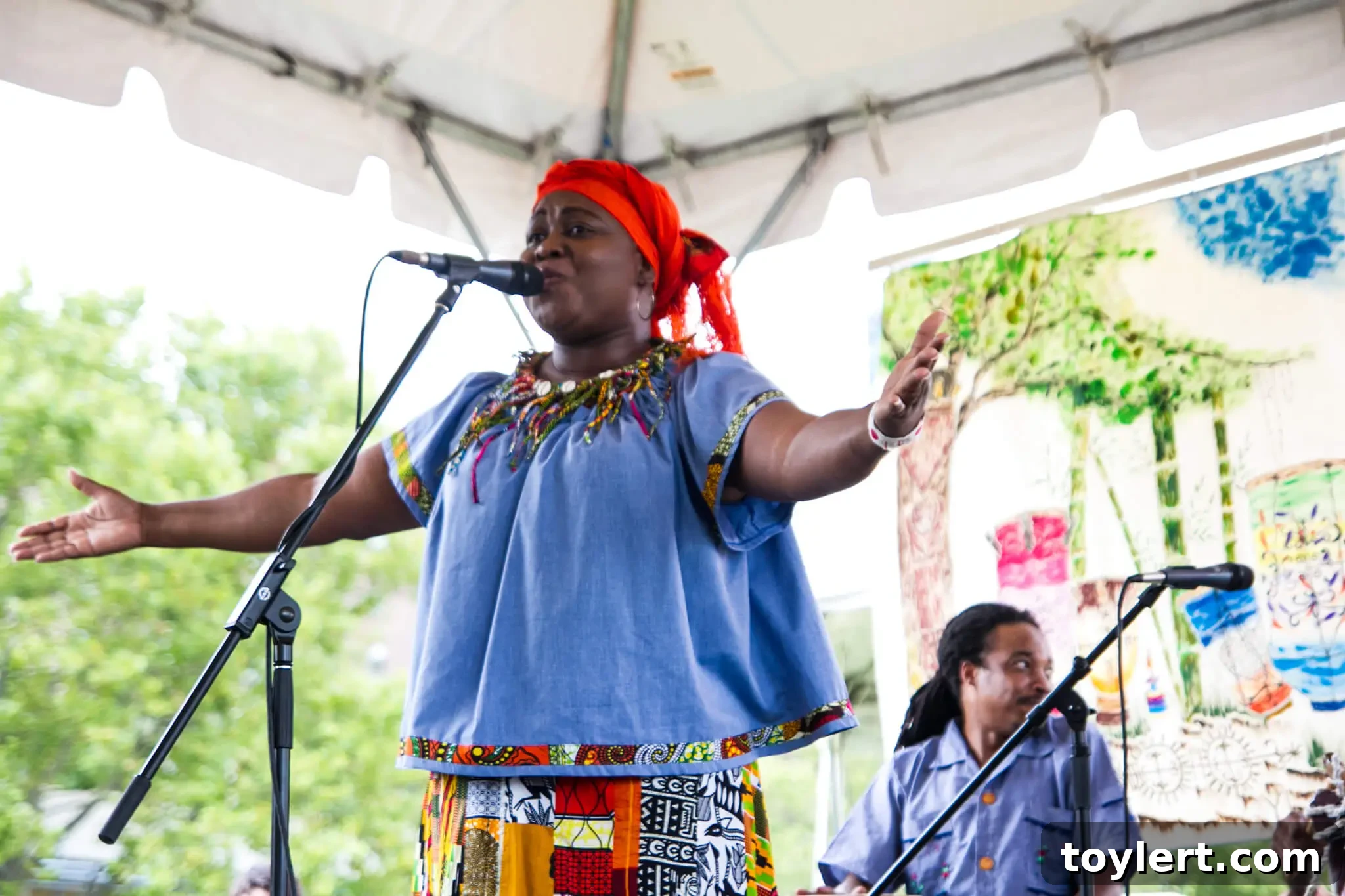
At the forefront of this cultural exploration is the esteemed Haitian singer and Vodou Priestess, Sirene Dantor. With her profound knowledge and captivating presence, Dantor oversees an afternoon brimming with authentic Haitian experiences, shedding light on both cultural practices and the often-misunderstood spiritual depth of Haitian Vodou. Her guidance ensures an experience that is both educational and deeply respectful of the traditions being shared.
The afternoon’s festivities are thoughtfully structured to provide a comprehensive cultural narrative. Kicking off promptly at 2 p.m., the festival opens with an inspiring artist talk by Brooklyn-based fiber artist Mahalia Stines. Stines, known for her intricate works that often explore themes of identity, heritage, and community, will offer insights into her creative process and the inspiration she draws from her Haitian roots. Her presentation will set a powerful artistic tone for the day, highlighting contemporary Haitian artistry.
Following Stines’ compelling talk, attendees are invited to delve into a crucial history overview. This session is meticulously curated for those eager to understand the foundational elements of Haitian culture, exploring its origins, its resilience through colonial struggles, and its revolutionary spirit. This historical context is vital for appreciating the depth and significance of the artistic and spiritual expressions showcased throughout the festival.
Rhythm, Movement, and Culinary Delights: The Heart of the Festival
As the afternoon progresses, the air will fill with the intoxicating sounds of Haiti. The musical segment of Festival Minokan ignites at 3 p.m. with engaging instrument demonstrations. Experts will introduce attendees to traditional Haitian instruments, explaining their historical significance and the unique sounds they contribute to Haitian music. This interactive session provides a rare opportunity to learn about the instruments that form the backbone of Haitian rhythms.
Beyond observation, the festival encourages active participation through vibrant song and dance workshops. Led by experienced practitioners, these workshops invite everyone, regardless of prior experience, to feel the pulse of Haitian music and movement. Participants will learn traditional songs and dance steps, fostering a direct, embodied connection to the culture. These sessions are not just about learning steps; they are about experiencing the communal joy and expressive power inherent in Haitian artistic traditions.
The crescendo of the day arrives with a captivating 5 p.m. performance by Fanmi Asòtò. This renowned group is celebrated for their powerful renditions of traditional Haitian music and dance, often incorporating elaborate costumes and compelling storytelling through their artistry. Their performance promises to be a highlight, showcasing the dynamic energy and spiritual depth that defines Haitian artistic expression. Following this spectacular show, the day culminates in a profound Lakou Soukri ceremony. This ceremony, rooted in Haitian Vodou traditions, offers a glimpse into the sacred practices that bind communities and connect individuals to their ancestral heritage, performed with reverence and cultural authenticity.
The Historic Setting: Wyckoff House Museum
The second annual Festival Minokan is scheduled for Saturday, August 24, from 2 to 9 p.m., set against the unique backdrop of the Wyckoff House Museum. Located at 5816 Clarendon Road in Brooklyn, the museum itself is a significant landmark, representing the oldest surviving frame house in New York City and offering a tangible link to Brooklyn’s early agricultural history. Its sprawling grounds provide an ideal, serene environment for this vibrant cultural gathering, blending historical resonance with contemporary cultural celebration.
Complementing the rich cultural program, traditional Haitian food and drink will be readily available for purchase throughout the event. This culinary offering allows attendees to savor the authentic flavors of Haiti, from savory dishes to refreshing beverages, further enhancing the sensory immersion into the culture. While these delectable treats are available for purchase, the festival itself proudly maintains its status as a free event, ensuring accessibility for all members of the community and beyond.
For those seeking comprehensive details on the day’s full schedule, performer biographies, and any updates, the official festival event page on the Wyckoff House Museum website is the definitive resource. Attendees are encouraged to visit here for all pertinent information, ensuring a fully informed and enriching festival experience.
Festival Minokan: A Pillar of “Protest Garden”
Festival Minokan is not an isolated event; it is an integral part of the Wyckoff House Museum’s broader and highly significant project, “Protest Garden: Historical Resistance and Radical Cultivation in Brooklyn.” This larger initiative explores the historical roots of resistance, community building, and sustainable practices within the context of Brooklyn’s diverse communities. By situating Festival Minokan within “Protest Garden,” the museum underscores the profound connections between cultural expression, historical memory, and contemporary social engagement. The festival thus serves as a powerful demonstration of how art, music, dance, and spiritual practices can be potent forms of resistance, celebration, and community empowerment.
The “Protest Garden” project recognizes that cultural festivals like Minokan are vital spaces for reclaiming narratives, celebrating identity, and fostering solidarity. By highlighting Haitian culture, the festival contributes to a larger conversation about the rich tapestry of Brooklyn’s communities and their contributions to the city’s historical and cultural landscape. It emphasizes how cultural cultivation—much like agricultural cultivation—requires care, intention, and a deep respect for heritage.
A Call to Experience and Engage
This year’s Festival Minokan at the Wyckoff House Museum promises to be an unforgettable day, filled with discovery, inspiration, and community spirit. It’s an essential Brooklyn event for anyone interested in exploring the vibrant traditions of Haitian culture, experiencing powerful live performances, engaging with thought-provoking art, and learning about the profound history and spiritual practices that have shaped Haiti. Whether you come for the mesmerizing music, the spirited dance, the insightful talks, or simply to savor traditional Haitian fare in a historic setting, Festival Minokan offers a unique opportunity for cultural immersion and connection.
Mark your calendars for August 24th and prepare to be transported to the heart of Haiti, right here in Brooklyn. Join the Wyckoff House Museum for a day of celebration, education, and profound cultural exchange at Festival Minokan – a true testament to the enduring power and beauty of Haitian heritage.